
Health
Adult Orthodontics in Winchester: Correcting Bite Problems Beyond the Appearance of Straight Teeth

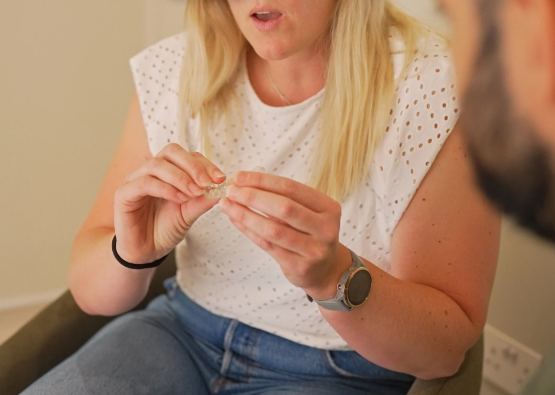
Adult orthodontic treatment is often associated with improving the appearance of crowded or misaligned teeth. However, some of the most important reasons for considering treatment involve the way the upper and lower teeth meet. Deep bites, open bites and crossbites can affect dental function, tooth wear and the distribution of biting forces. For patients exploring adult orthodontics in Winchester, understanding these conditions can help explain why treatment planning goes beyond cosmetic alignment. At Aline Specialists, specialist-led orthodontic care considers bite function, facial harmony and long-term stability alongside the appearance of the smile.
What Are the Most Common Bite Problems in Adults?
A normal bite involves a functional relationship between the upper and lower teeth, allowing them to meet and work together during chewing. However, some adults have dental or skeletal discrepancies that alter these relationships. These conditions are collectively known as malocclusions and can vary considerably in severity.
A deep bite occurs when the upper front teeth overlap the lower front teeth excessively. An open bite describes a situation in which certain upper and lower teeth do not make contact when the jaws close. A crossbite occurs when one or more upper teeth bite inside the corresponding lower teeth, rather than outside them in the usual relationship.
Not every malocclusion causes discomfort or requires correction. Some people function comfortably despite noticeable bite differences, while others experience difficulties with biting, localised tooth wear or problems related to tooth positioning. The clinical significance depends on the individual, making accurate diagnosis essential before deciding whether orthodontic treatment is appropriate.
Can Orthodontic Treatment Correct a Deep Bite in Adults?
A deep bite is characterised by excessive vertical overlap between the upper and lower front teeth. In some cases, the lower incisors may contact the palate or the gum tissue behind the upper teeth. Other patients may experience increased wear affecting particular tooth surfaces, although these consequences are not inevitable.
Deep bite correction can involve carefully controlled changes to the vertical positions and inclinations of the teeth. Depending on the individual case, orthodontists may plan movements involving the front teeth, back teeth or both. The available options depend on the underlying cause of the discrepancy, the patient’s facial proportions and the condition of the supporting tissues.
Adults can undergo deep bite correction, but treatment must account for the fact that jaw growth is largely complete. Dental movements may be sufficient for some patients, whereas substantial skeletal discrepancies can require a different approach. The objective is to establish a functional bite relationship, rather than simply changing how much of the lower teeth is visible when smiling.
How Is an Open Bite Treated in Adult Patients?
An anterior open bite occurs when the front teeth remain separated even though the back teeth are in contact. This can make biting into certain foods more difficult and may influence speech in some individuals. Open bites can develop through a combination of dental, skeletal and functional factors, and their causes are not always straightforward.
Adult open bite treatment may involve repositioning selected teeth to improve their contact relationships. In suitable cases, fixed appliances or clear aligners can be used to produce planned movements. More complex situations may require additional anchorage techniques or multidisciplinary assessment, particularly when the discrepancy is predominantly skeletal.
One of the important considerations is long-term stability. Some open bites have a greater tendency to recur, depending on their underlying characteristics and contributing factors. Treatment planning must therefore consider both correction and retention, with realistic expectations about what orthodontic appliances can achieve in an adult patient.
Adult Orthodontics in Winchester: Can Crossbites Be Corrected Without Jaw Surgery?
A crossbite develops when the usual relationship between upper and lower teeth is reversed in part of the dental arch. It may affect individual teeth or involve several teeth on one or both sides of the mouth. The condition can arise from tooth positioning, differences in jaw width or a combination of dental and skeletal factors.
In adults, the distinction between a dental and a skeletal crossbite is particularly important. A dental crossbite may sometimes be corrected through controlled tooth movements using orthodontic appliances. A significant skeletal discrepancy, however, can be more challenging because the upper and lower jaws have generally completed their growth.
Not every adult crossbite requires surgical treatment. Some cases can be managed orthodontically, while others may benefit from specialist evaluation of expansion techniques or combined orthodontic and surgical approaches. The appropriate treatment depends on the anatomy and severity of the discrepancy, rather than the appearance of the crossbite alone.
Are Clear Aligners Suitable for Complex Adult Bite Problems?
Clear aligners are removable orthodontic appliances designed to move teeth gradually through a sequence of individually manufactured trays. Their discreet appearance and removability make them an option for adults who prefer an alternative to conventional fixed braces. However, the suitability of aligners depends primarily on the movements required, rather than aesthetic preferences alone.
Clear aligners can be used to manage selected bite discrepancies, including certain deep bites, open bites and crossbites. Digital treatment planning helps orthodontists organise the intended movements, while attachments or other auxiliary components may be necessary to achieve particular corrections. More complex cases can require additional techniques or a different appliance system.
At Aline Specialists, clear aligner treatment is planned by Specialist Orthodontists with experience in advanced orthodontic biomechanics and professional education. Dr Damon Taheri, Dr Ramtin Taheri and Dr Ilias Marinopoulos have contributed to teaching orthodontic techniques to clinicians in the United Kingdom and internationally. Their approach incorporates individualised digital planning and clinical monitoring, recognising that successful treatment depends on accurate diagnosis and the patient’s response to the prescribed movements.
How Long Does Adult Bite Correction Take?
The duration of adult orthodontic treatment varies according to the complexity of the malocclusion, the movements required and the patient’s individual biological response. Correcting minor dental discrepancies may take less time than managing a substantial deep bite, open bite or crossbite. Treatment involving several different movements can also require additional stages.
There is no single treatment duration suitable for every adult. Tooth movement must occur at a biologically appropriate rate, and progress may be influenced by periodontal health, appliance wear and the need for refinements. Clear aligner patients must generally follow prescribed daily wear instructions, while patients with fixed braces require regular adjustments and appropriate appliance care.
Digital monitoring can help clinicians evaluate progress between appointments in selected cases. Aline Specialists has AI-assisted remote monitoring technology available for suitable clear aligner patients, alongside conventional clinical reviews. Monitoring helps identify differences between planned and actual tooth movement, allowing treatment adjustments when clinically necessary, but it cannot guarantee a particular completion date.
Can Correcting the Bite Improve Chewing and Prevent Tooth Wear?
The relationship between the upper and lower teeth influences how biting forces are distributed during chewing. Certain malocclusions may create localised contacts or make it difficult to bite through particular foods. In some patients, correcting these relationships can improve dental function and reduce specific forms of unwanted contact.
However, tooth wear has multiple possible causes, including erosion, grinding and dietary factors. An irregular bite does not automatically cause excessive wear, and orthodontic treatment cannot be assumed to prevent all future damage. Similarly, jaw joint discomfort is a complex condition that should not automatically be attributed to malocclusion.
The potential functional benefits of bite correction must therefore be evaluated individually. Orthodontists consider existing tooth wear, contact patterns, dental restorations and the patient’s symptoms before recommending treatment. Realistic treatment objectives focus on clinically relevant improvements rather than promising that correcting tooth alignment will resolve every functional concern.
Why Is Retention Important After Adult Bite Correction?
Teeth have a natural tendency to move after orthodontic appliances are removed. This can occur as the surrounding tissues adapt and as the dentition continues to change throughout life. For adults who have undergone bite correction, maintaining the achieved relationships is an important part of the treatment process.
Retainers help reduce the risk of unwanted tooth movement, although they cannot guarantee that every aspect of the corrected bite will remain unchanged indefinitely. Depending on the clinical circumstances, removable or fixed retention appliances may be recommended. The type of retainer and the duration of wear should reflect the original malocclusion and the patient’s individual requirements.
Some bite discrepancies, particularly certain open bites, may present additional stability challenges. Long-term reviews can help identify changes in tooth position, appliance condition or occlusal relationships. Retention should be considered from the beginning of treatment, ensuring that patients understand the ongoing commitment involved in maintaining orthodontic results.
Adult Orthodontics in Winchester: A Functional Approach to Bite Correction
Adult orthodontic treatment can address more than visible crowding or uneven teeth. Deep bites, open bites and crossbites involve different anatomical and functional considerations, and each requires an individual assessment to establish whether correction is appropriate. The choice of appliance, treatment objectives and expected stability depend on the underlying characteristics of the malocclusion.
At Aline Specialists, specialist-led treatment planning combines clinical assessment, digital technology and attention to bite function and long-term dental health. The emphasis is on understanding the cause and complexity of each problem before selecting an orthodontic approach. For adult patients, a carefully planned correction aims to improve dental relationships while respecting individual anatomical limitations, with retention and continued monitoring forming part of the overall treatment journey.


Depression doesn’t announce itself with a single dramatic moment. It creeps into mornings that feel heavier than they should, conversations that once felt easy, and hobbies that no longer spark joy. For many men, depression is often misunderstood or dismissed as something they should simply “push through.” But quiet suffering doesn’t heal in silence, and pretending to be fine rarely makes anyone fine at all.
At Desert Recovery Centers, we see men every day who have carried depression far longer than they needed to. Some have managed it quietly for years, convinced that asking for help was a sign of weakness. Others reached a breaking point before they realized how much untreated depression had already cost them: relationships, careers, and a basic sense of peace. What they all have in common is this—once they found the right support, change became possible again.
This article explores how depression develops, why it often goes untreated, and what genuine recovery can look like when you have the right team in your corner.
Why Depression Is Often Harder to Recognize Than People Expect
Depression doesn’t always look like sadness. For many men, it shows up as irritability, restlessness, or a short temper that seems to come out of nowhere. Sleep patterns shift. Motivation disappears. Some men throw themselves into work or physical activity to avoid sitting still with their thoughts, while others withdraw from friends and family entirely.
Because these symptoms don’t always match the stereotypical image of depression, they’re frequently brushed off—by the person experiencing them and by the people around them. A man who seems “stressed” or “burned out” might actually be dealing with a clinical condition that requires real treatment, not just a vacation or a weekend off.
This disconnect matters because the longer depression goes unaddressed, the more entrenched it becomes. Left untreated, it can affect physical health, strain relationships, and increase the risk of substance use as a coping mechanism. Recognizing the signs early—and taking them seriously—is one of the most important steps toward recovery.
The Hidden Cost of Trying to Manage Depression Alone
Many men try to handle depression on their own before ever considering professional help. They might tell themselves they just need more discipline, more sleep, or more willpower. Unfortunately, depression isn’t something that responds well to sheer determination. It’s a medical condition rooted in complex changes in brain chemistry, often compounded by life circumstances, trauma, or chronic stress.
Attempting to manage depression without support tends to extend suffering rather than shorten it. Men who isolate themselves often experience worsening symptoms over time, along with a growing sense of hopelessness. This isolation can also make it harder to recognize when symptoms are escalating, since there’s no outside perspective to flag warning signs.
Professional treatment interrupts this cycle. It provides structure, accountability, and evidence-based tools that go far beyond willpower alone. Most importantly, it offers something isolation never can: the reminder that you don’t have to face this by yourself.
What Effective Treatment Actually Looks Like
Good treatment for depression isn’t a one-size-fits-all program. It’s tailored to the individual, built around their history, their triggers, and the life they want to rebuild. At Desert Recovery Centers, treatment typically includes a combination of the following:
- Individual therapy, where men work one-on-one with licensed clinicians to understand the roots of their depression and develop personalized coping strategies.
- Group therapy, which creates a space for men to connect with others facing similar struggles, often breaking down the isolation that depression thrives on.
- Medication management, when appropriate, to help regulate the brain chemistry that influences mood and energy.
- Holistic approaches, such as exercise, mindfulness, and nutrition counseling, which support overall mental and physical well-being.
- Dual diagnosis care for men whose depression is intertwined with substance use, ensuring both conditions are treated simultaneously rather than in isolation.
This combination approach matters because depression rarely has a single cause. Treating it effectively means addressing the psychological, physical, and sometimes chemical factors all at once.
How Treatment Helps Men Rebuild Confidence and Stability
One of the most underrated benefits of structured treatment is what it does for a man’s sense of self. Depression often erodes confidence slowly, convincing someone that they’re incapable, unlovable, or permanently stuck. Treatment challenges that narrative directly.
As men move through therapy, they begin to notice patterns in their thinking that have kept them stuck—patterns they can finally start to change. They learn communication skills that improve their relationships with partners, children, and friends. They rediscover routines and activities that once satisfied them. Slowly, the fog starts to lift, and decisions that once felt impossible start to feel manageable again.
This rebuilding process takes time, and it’s rarely linear. But with consistent support, most men find that their capacity for stability and joy returns, often stronger than before.
Taking the First Step Toward a Better Life
Reaching out for help is often the hardest part of recovery, but it’s also the most important one. Compassionate, judgment-free depression treatment can help men regain control over their lives, restore their confidence, and reconnect with the people and purpose that matter most to them. At Desert Recovery Centers, our team understands the unique pressures men face and creates a treatment environment built around respect, privacy, and genuine care.
You don’t need to have all the answers before you walk through our doors. You just need to be willing to take the first step. If you or someone you know is struggling, reach out to Desert Recovery Centers today to learn more about our programs and how we can help you build a life that feels worth living again.
Frequently Asked Questions
How long does depression treatment typically take?
Treatment length varies based on individual needs, but many men see meaningful improvement within a few weeks of consistent therapy and support. Long-term recovery is an ongoing process, often involving continued check-ins even after formal treatment ends.
Is medication always necessary for treating depression?
Not always. Some men respond well to therapy alone, while others benefit from a combination of therapy and medication. A clinical evaluation helps determine the best approach for each individual.
What if I also struggle with substance use?
Many treatment centers, including Desert Recovery Centers, offer dual diagnosis care that addresses depression and substance use together, since the two conditions often influence each other.
Will treatment require me to put my life on hold?
Not necessarily. Many programs offer flexible scheduling, including outpatient options, so men can continue working or managing family responsibilities while receiving care.


How AI and Protein Engineering Are Changing Peptide Design: Retatrutide as a Case Study
Retatrutide shows what rational peptide engineering can achieve: a single 39-amino-acid peptide tuned to switch on three hormone receptors at once. AI tools are now speeding up that same kind of design, predicting how peptides sit in their receptors and generating candidate sequences by the thousand. There is no public evidence that AI designed retatrutide itself.
What problem does peptide design solve?
Natural GLP-1 makes a poor drug. The body breaks it down with an enzyme called DPP-4 in about two minutes.
The fixes are now routine. Chemists swap amino acids at the spots enzymes attack, often for unnatural ones such as alpha-aminoisobutyric acid, known as Aib. Then they attach a fatty-acid chain that binds albumin in the blood, so the molecule lingers. Semaglutide used both tricks to stretch its half-life to roughly a week.
What did engineers change in retatrutide?
Retatrutide, from Eli Lilly, is built on the pattern of GIP, a second gut hormone. Its chain carries Aib and alpha-methyl-leucine, two amino acids absent from natural proteins, plus a fatty diacid hung off lysine 17 through a short linker. In the first human study, reported in Cell Metabolism in 2022, its pharmacokinetics supported once-weekly dosing.
The harder problem was balance. Cell assays from the discovery work put retatrutide at 8.9 times the potency of natural GIP at the GIP receptor, and at roughly 0.4 and 0.3 of the native hormones' potency at the GLP-1 and glucagon receptors. Tuning three potencies at once is a multi-objective problem, the kind machine learning now targets.
The engineering has held up in people. In the phase 3 TRIUMPH-1 trial of 2,339 adults, the top dose produced 28.3% average weight loss over 80 weeks.
How is AI changing protein and peptide design?
The 2024 Nobel Prize in Chemistry marked the shift. Half went to David Baker for computational protein design. The other half went to Demis Hassabis and John Jumper of Google DeepMind for protein structure prediction. Their AlphaFold2 model has predicted the structures of virtually all 200 million proteins researchers have identified, and more than two million people in 190 countries have used it.
AlphaFold 3, published in Nature in May 2024, extends prediction to complexes that include small molecules, nucleic acids and modified residues. On the design side, RFdiffusion from Baker's lab, published in Nature in 2023, generates new protein backbones from noise.
Peptides in retatrutide's own family are now targets too. In a 2024 Nature Chemistry paper, researchers from the University of Cambridge, AstraZeneca and Google DeepMind trained an ensemble of 12 neural networks on 125 peptide variants with measured potency at the glucagon and GLP-1 receptors, two of retatrutide's three targets. Of 15 designs, the best was 7.2 times more potent at the glucagon receptor and 8.3 times at the GLP-1 receptor than the strongest dual agonist in its training data. Cells only.
A 2025 study in Advanced Science went further. A Shanghai Jiao Tong University team generated 10,000 GLP-1 agonist sequences with ProteinMPNN, screened them by computer and made 60 in the lab. Three were active in cell assays. The longest-lived design had a half-life in rats of 23.16 hours, against 8.17 for semaglutide.
What can't AI do yet?
It can't skip the trials. Every design above is still at the cell or rodent stage, and retatrutide's path from a 2022 discovery paper to a planned FDA filing in the first quarter of 2027 shows how long the clinical half of the job takes, however fast the design half gets.
Retatrutide already sells outside the clinic as freeze-dried powder. WhereToBuyRetatrutide.org compares supplier prices, and a retatrutide primer from Astral covers its formula, C221H342N46O68.
FAQs
Did AI design retatrutide?
There is no public evidence that it did. Retatrutide came from rational peptide engineering, with sequence changes, unnatural amino acids and a fatty-acid chain for weekly dosing.
What is peptide design AI?
Software that predicts or generates peptide structures and sequences. AlphaFold predicts structures, RFdiffusion and ProteinMPNN design them, and newer models predict receptor potency straight from a sequence.
Sources
- The Royal Swedish Academy of Sciences. The Nobel Prize in Chemistry 2024. Press release, October 9, 2024.
- Abramson J, et al. Accurate structure prediction of biomolecular interactions with AlphaFold 3. Nature, 2024.
- Puszkarska AM, et al. Machine learning designs new GCGR/GLP-1R dual agonists with enhanced biological potency. Nature Chemistry, 2024.
- Wei T, et al. AI-driven de novo design of ultra long-acting GLP-1 receptor agonists. Advanced Science, 2025.
- Coskun T, et al. LY3437943, a novel triple glucagon, GIP, and GLP-1 receptor agonist for glycemic control and weight loss: from discovery to clinical proof of concept. Cell Metabolism, 2022.
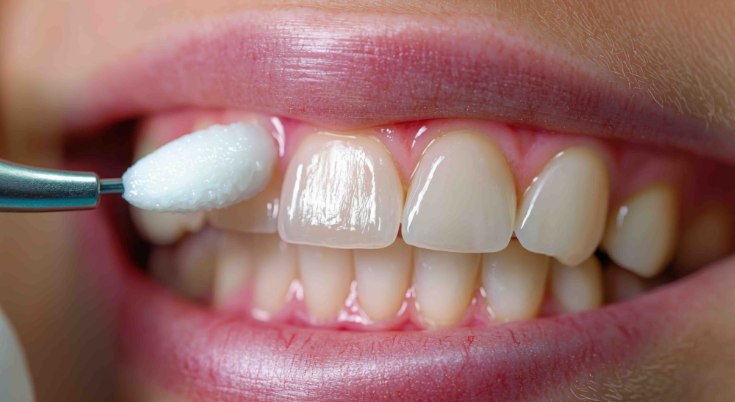
A chipped edge or a difference in colour can draw attention whenever a person smiles. Before deciding how to intervene, however, it is necessary to establish what change is actually needed and how much tooth structure it would involve altering. An aesthetic dentist also assesses the balance between the expected benefit and the intervention required. This is part of the approach described by Style Italiano Family, an international network that addresses planning and the preservation of natural structure. The starting point is a specific goal, considered alongside oral health, function and the available alternatives.
Why does an aesthetic concern not already determine the treatment?
A wish to improve a smile can describe very different problems, even when similar words are used. A tooth perceived as dark might have surface staining, an internal colour change or an older restoration in a different shade. Identifying the cause comes before choosing the material, because apparently similar situations may require different responses.
An irregular shape also needs to be interpreted in context. A small loss of structure is not the same as an intact tooth positioned unfavourably. The plan must distinguish between colour, volume and position, rather than assuming one procedure can address every concern.
What does preserving tooth structure mean for an aesthetic dentist?
Preservation means limiting intervention on healthy tissues to what the clinical situation justifies. This applies both to the amount of tooth involved and the extent of the area being treated. A localised defect does not automatically require altering the entire visible surface or treating neighbouring teeth.
The term “minimally invasive” describes a clinical approach, not a guarantee that treatment has no risks or irreversible effects. The assessment should explain what will be added, what might be removed and what maintenance will follow. On its aesthetic dentistry page, Style Italiano Family presents the preservation of natural structure as a consideration to incorporate into treatment planning.
When can material be added instead of removing enamel?
In some situations, a correction can be achieved through a localised addition of restorative material. Composite can be shaped to rebuild a small edge or modify part of a tooth’s contour when conditions are suitable. This allows a limited intervention to be considered instead of covering a larger surface.
Adding material requires space and compatibility with the bite. On a tooth that already projects forward, increasing its volume could create an unsuitable contour or interfere with function. An additive technique is therefore not appropriate for everyone and does not rule out the need for specific preparation or adjustments.
Why do not all corrections require teeth to be covered?
When the concern is mainly colour, the cause of the discolouration should be considered before planning a covering. Changing colour and changing shape are different objectives, which do not necessarily require the same solution. Existing restorations are particularly relevant because whitening does not change their colour in the same way as natural tooth tissue.
This does not mean colour treatment is always sufficient or appropriate. Sensitivity, tooth condition and expectations must be assessed before proceeding. A conservative approach compares options relevant to the problem, rather than automatically applying whichever procedure is considered least invasive in general.
Which changes require a discussion about irreversibility?
When a proposal involves removing healthy enamel, the patient needs to understand its significance before deciding. Tissue removed during preparation does not grow back, and the tooth may continue to require a restoration in the future. Consent therefore concerns not only the desired appearance but also the consequences of the alteration.
Veneers can require different preparations depending on tooth position and the treatment plan. Labels such as “no-prep” or “minimal-prep” do not fully describe an individual case. It is necessary to clarify which surfaces will be involved and whether the aesthetic goal could be achieved with less extensive intervention or a different approach.
How can photographs and simulations support a decision?
Photographic records make the starting condition easier to analyse. They allow proportions, surfaces and relationships with the lips and neighbouring teeth to be examined, providing useful references for discussion between patient and clinician. In its description of aesthetic care, Style Italiano Family identifies photography and digital planning as tools for communicating the proposed treatment.
A simulation or preliminary trial, when appropriate, can help changes be discussed before the definitive stage. Their value lies in making volumes and goals easier to understand, rather than promising an exact match with the clinical result. They do not replace examination of the tissues, assessment of the bite or an explanation of the proposal’s limitations.
Why must the result also function during chewing?
A visible change involves teeth that continue to perform everyday functions. A longer edge must be compatible with contacts between the upper and lower teeth, while a new contour must allow effective cleaning. Aesthetic assessment therefore cannot end with a photograph of a slightly open smile.
Signs of wear or clenching habits also deserve attention before restorative work begins. Recreating a shape without considering the forces acting on it can leave a risk factor unaddressed. Planning should explain whether management measures or further assessment are needed, rather than assuming that a stronger material can compensate for any functional problem.
When might limiting or postponing a change be reasonable?
Decay or gum inflammation requires assessment before cosmetic alterations. Expectations that are incompatible with the available tooth structure may also make it appropriate to reconsider the goal. Postponing the aesthetic stage can therefore form part of a reasoned sequence of care, explained in relation to the findings.
Another possibility is retaining certain tooth characteristics when changing them would involve a disproportionate loss of healthy tissue. Not every small asymmetry is a disease or requires correction. Patients should also be able to consider not proceeding, distinguishing health needs from personal preferences about the appearance of their smile.
An aesthetic dentist considers what can be preserved as well as changed
The work of an aesthetic dentist can also be assessed through the reasons for preserving certain tissues and ruling out particular changes. Diagnosis, objectives and alternatives should be connected in an understandable explanation. The expected result remains individual and should be considered alongside risks, limitations and ongoing care requirements.
Within the information provided by Style Italiano Family, planning, continuing education and professional discussion accompany attention to natural tooth structure. These principles are applied through the assessment of the clinician who examines the individual and discusses their needs. An informed change also depends on understanding how much intervention is necessary and how much can instead be preserved.

Why Regular AC Maintenance Keeps Your Home Cool and Costs Low

Why ProStar Garage Doors Is the Smart Choice for Your Next Garage Door Installation

Crickets Taking Over Your Home? Here’s What Actually Works

Nancy Simon: Meet Neil Simon’s Daughter and Woody Harrelson’s Ex Wife

Who Was Russell Derek? Inside The Life of John Derek’s Son

Steven Fleischmann: Inside the Love Story of Erin Moran and Her Husband
-
 Celebrity2 months ago
Nancy Simon: Meet Neil Simon’s Daughter and Woody Harrelson’s Ex Wife
-
 Biographies5 months ago
Who Was Russell Derek? Inside The Life of John Derek’s Son
-
 Biographies4 months ago
Steven Fleischmann: Inside the Love Story of Erin Moran and Her Husband
-

 Biographies5 months ago
Who is Kassidy Duhamel? All About the Life of Josh Duhamel’s Sister
-

 Biographies5 months ago
Micah Emmanuel Lanfer: All About the Life of Sarah Drew and Peter Lanfer’s Son
-

 Biographies5 months ago
Caleb Michael Jackson: The Untold Story of Lisa Vultaggio and Jonathan Jackson’s Son
-

 Biographies5 months ago
Who is Bear Beghe? All About the Life of Jason Beghe’s Son
-

 Biographies4 months ago
Mackenzie Stiles: The Real Story of Ryan Stiles’ Daughter