
Business
What Is CJMonsoon? A Guide to Monsoon Caps and Wave Care

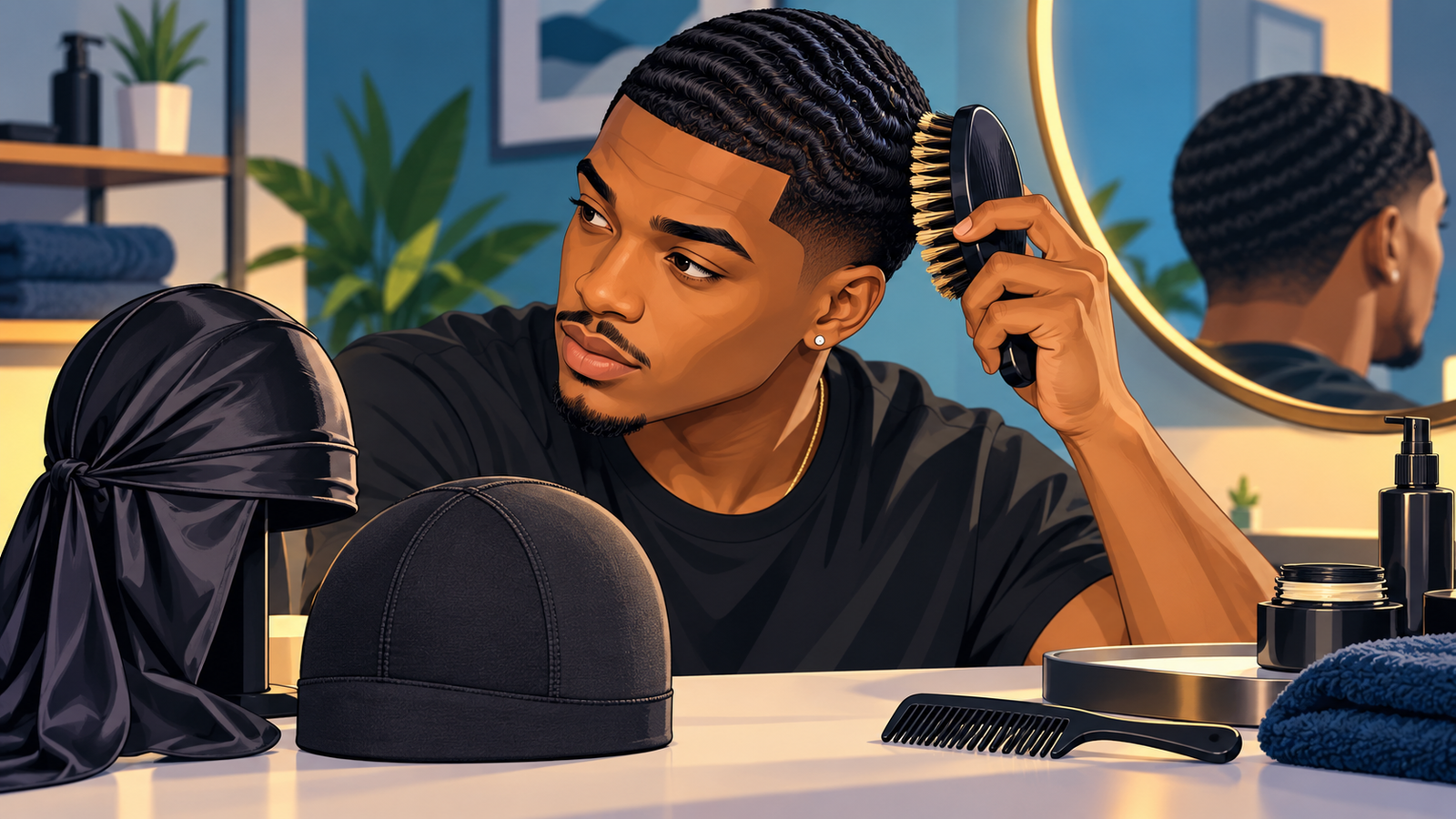
CJMonsoon can be confusing when you search for it online. Some pages use the name for travel or other topics. But the stronger brand links point to Monsoon Caps, durags, wave headwear, and the 360-wave community.
CJMonsoon is linked with Monsoon Custom Apparel and Monsoon Caps. Products tied to the name include compression caps, wave caps, custom durags, wash-and-style headwear, and clothing.
This guide explains what CJMonsoon is and how its wave products are used. It also covers compression caps, durags, wolfing, double compression, and basic wave care.
What Is CJMonsoon?
CJMonsoon is a name linked with wave headwear and custom apparel. The clearest links are with Monsoon Custom Apparel and Monsoon Caps.
The brand is known for products used in 360-wave care. These include compression caps, durags, wash-and-style headwear, and other wave items.
Some newer websites use CJMonsoon for unrelated topics. Those meanings should not be mixed with the wave-care brand without clear proof.
For wave care, the purpose is simple. The products help keep brushed hair flat and in place. They support a wave routine but do not replace brushing or normal hair care.
What Is CJMonsoon Known For?
CJMonsoon is best known for wave headwear. Compression caps are one of the main products linked with the name.
Durags, custom designs, and wash-and-style items are also part of the brand’s product history. These products are made for people who want to keep their waves laid down.
A wave cap is different from a normal fashion cap. It fits close to the hair and adds pressure after brushing.
Some CJMonsoon products also offer custom colors, text, logos, or designs. This lets users choose a style while still using the product for wave care.
CJMonsoon Compression Caps Explained
A compression cap fits close around the head. Its main job is to keep the hair pressed down.
Unlike a durag, a cap does not need long straps. You pull it over your head and place it so the wave area is covered.
The pressure helps keep brushed hair in place. This can be useful while sleeping or between brush sessions.
Some people prefer thicker caps or wide bands because they give more hold. Others may find strong pressure too tight.
A compression cap should feel firm but not painful. If it causes strong pressure or deep marks, the fit may be too tight.
CJMonsoon Durags and Wave Protection
Durags are also common in wave care. They sit over the hair and help keep it in place after brushing.
CJMonsoon has been linked with durags, including custom designs. These may be used during sleep or at other times when the hair needs protection.
Smooth or silky material is common in durags. It creates less rough contact with the hair and helps keep the surface smooth.
The straps allow the wearer to control the fit. The durag should stay in place without feeling painful.
A simple routine is to brush the hair first, smooth it down, and then put on the durag. The durag helps protect the pattern while the hair rests.
How CJMonsoon Products Support 360 Waves
A cap or durag does not create 360 waves by itself. Brushing is still a main part of the routine.
Brushing helps train the hair in a set direction. Compression then helps keep that hair flat after brushing.
A wave routine may also include washing, moisture, haircuts, and regular compression. Hair type and hair length can also affect the result.
CJMonsoon products mainly help with the compression part. The cap or durag should cover the wave area well, including the crown.
Good placement matters. If the cap sits too far back, part of the hair may be left open. If a durag moves at night, some areas may lose pressure.
CJMonsoon and the Wolfing Stage
Wolfing means letting the hair grow longer while still training the wave pattern. The person keeps brushing instead of cutting the hair too soon.
Longer hair can be harder to keep flat. This is why compression often becomes more useful during wolfing.
A CJMonsoon compression cap or similar product may help hold the hair down after brushing. Some users prefer stronger compression during this stage.
Brushing is still needed. A tight cap alone will not improve waves if the hair is not being trained.
Fit may also change as the hair gets longer. A cap that felt fine with shorter hair may feel tighter later.
Double Compression With CJMonsoon Caps
Double compression means wearing two layers of wave headwear. A common method is to wear a durag first and a compression cap over it.
The durag helps keep the hair smooth. The cap adds another layer of pressure.
Some people use double compression during wolfing or when one layer does not give enough hold.
It is not needed for everyone. A person with shorter hair may find two layers too tight.
More pressure does not mean better waves. Stop or loosen the setup if it causes pain, numbness, headaches, or strong marks.
The goal is simple. Compression should keep the hair in place while still feeling comfortable.
CJMonsoon Wash and Style Headwear
Wash-and-style headwear is made for people who want to protect their wave pattern while washing their hair. The idea is to keep the hair lying in the same direction while shampoo and water pass through it.
Some wave routines use a light or mesh cap during rinsing. This can help reduce movement while the hair is wet. Wet hair can shift more easily, so keeping it in place may help protect the pattern.
CJMonsoon has been linked with wash-and-style headwear as part of its wave-care range. These products serve a different purpose from thick compression caps. A heavy cap may hold too much water, while a lighter wash cap can make rinsing easier.
The headwear should also dry fully after use. Wearing a wet cap for too long can feel uncomfortable. Letting it dry before the next use also helps keep it in better shape.
CJMonsoon Custom Designs and Apparel
Custom designs are another part of the CJMonsoon name. Some products have been linked with personal text, logos, colors, and artwork.
This gives buyers more choice than a plain wave cap or durag. Someone may want a certain color to match an outfit. Another person may prefer a custom logo or design.
The name has also been linked with Monsoon Custom Apparel. This shows that the wider product range was not limited to wave caps alone. Clothing and other custom items have also been tied to the brand.
Product choices can change over time. A design or item that was sold before may not always be available now. Buyers should check current product details before placing an order.
Fit, Comfort, and Forehead Marks
A good wave cap should feel secure without causing pain. Head size, fabric stretch, band width, and product shape can all affect the fit.
Some strong compression caps may leave marks on the forehead. This can happen when a thick band or seam presses against the same area for a long time.
A light mark may fade after the cap is removed. But strong pain or deep pressure is a sign that the fit may be too tight. There is no need to wear painful headwear just to get more compression.
Some users adjust the position of the band so it does not press on the same spot all night. The main goal is to find a fit that keeps the hair down while still feeling comfortable.
CJMonsoon Quality and Durability
Wave headwear gets a lot of use. It may be stretched, tied, washed, slept in, and worn for many hours. Because of this, fabric and stitching matter.
CJMonsoon products have been discussed for features such as thicker fabric, firm elastic, and strong construction. These features may help a cap stay in place and keep its shape during regular use.
A thicker product can also feel warmer. Some people may like the stronger feel, while others may prefer lighter fabric. The better choice depends on comfort and how the product will be used.
It is also useful to treat customer comments as personal experiences. One person may find a cap very comfortable, while another may find the same item too tight. Head shape and fit can change the experience.
How to Care for CJMonsoon Caps and Durags
Good care can help wave headwear last longer. Washing it gently is usually better than using rough washing methods or strong heat.
Hot water and high heat may weaken elastic over time. They may also affect the shape of the fabric. Printed or custom areas should not be scrubbed hard.
After washing, let the cap or durag dry fully before using it again. This is especially important for thicker material, which may take longer to dry.
Some people also keep more than one cap or durag. This lets them rotate between pieces instead of wearing the same one every day. It also gives one item time to dry while another is being used.
How to Choose the Right CJMonsoon Product
Start by thinking about what you need the product for. Do you want something for sleep, wolfing, washing, or stronger compression? The answer can help narrow the choice.
A durag may suit someone who wants an adjustable fit and smooth cover after brushing. A compression cap may work better for someone who wants quick, firm hold without tying long straps.
Wash-and-style headwear serves another purpose. It may be more useful when rinsing the hair and trying to keep the wave pattern in place.
Comfort should come before appearance. Check fabric weight, band style, size, and pressure before buying. A good-looking cap is not useful if it feels too tight to wear.
It also helps to check current product details. Older CJMonsoon items may not always match what is available in 2026. Look at the actual item before deciding which one fits your routine.
Why Is There Confusion About CJMonsoon Online?
CJMonsoon has become a confusing search term because different websites use it in very different ways. Some pages describe it as a wave-care brand. Others connect the name with travel or broad lifestyle topics.
Those meanings should not be treated as the same thing without proof. The travel article, for example, uses CJMonsoon as a name for planning trips during rainy weather. It does not show a clear link between that idea and the wave-care brand.
The stronger brand history connects CJMonsoon with Monsoon Caps, custom apparel, durags, compression caps, and 360-wave care. That is why this meaning makes more sense when discussing its products.
Readers should also separate old brand records from current claims. A product linked with CJMonsoon in the past may not still be sold today. Checking the current store or product page is the safest way to confirm what is available.
Conclusion
CJMonsoon is best known as a name linked with wave headwear and Monsoon Caps. Its product history includes compression caps, durags, wash-and-style items, custom designs, and other apparel.
These products mainly support the compression part of a 360-wave routine. They can help keep brushed hair flat and reduce movement while sleeping or between brush sessions.
The right product depends on the person. Some users may prefer a durag. Others may want a stronger compression cap, especially during wolfing. Fit and comfort should always come first.
CJMonsoon products can support wave care, but headwear alone does not create waves. Brushing, regular care, proper washing, and steady use are still important parts of the process.
FAQs
What is CJMonsoon?
CJMonsoon is a name linked with Monsoon Caps, wave headwear, and custom apparel. It has been associated with compression caps, durags, wash-and-style products, and other items used in 360-wave care.
What are CJMonsoon caps used for?
CJMonsoon caps are mainly used for hair compression. They help keep brushed hair flat during sleep, wolfing, or between brush sessions.
Can CJMonsoon products create 360 waves?
No. A cap or durag cannot create 360 waves on its own. Brushing, hair care, washing, and regular compression all play a part in building and keeping a wave pattern.
Is a compression cap better than a durag?
Neither option is better for everyone. A durag gives an adjustable fit, while a compression cap can give quick and firm hold. The best choice depends on hair length, comfort, and the amount of pressure a person prefers.
Why do some CJMonsoon search results talk about travel?
Some newer websites use CJMonsoon for unrelated travel and lifestyle topics. Those pages do not clearly show that the travel meaning is connected with the wave-care brand. The stronger brand links point to Monsoon Caps, durags, compression headwear, and 360-wave care.

If you want to establish a presence in Central Europe and access the EU market, setting up a company in Hungary is one of the options for non-EU entrepreneurs to consider. However, registering your company doesn’t grant you the right to live and work in Hungary. Company registration and immigration are two separate processes.
Can Non-EU Citizens Establish a Company in Hungary?
Foreign citizens are allowed to own and even run businesses in Hungary, such as Kft (limited liability companies). This means that you don’t necessarily have to be an EU citizen or a citizen of Hungary to be a shareholder of a Hungarian company.
Your company formation in Hungary involves selecting a legal form, choosing a company name, drafting articles of association and providing a Hungarian business address. Registering for taxes and opening a bank account is also part of the process.
If you are a foreigner, you can also be appointed as a managing director. But note: to have the right to actually perform your managerial tasks, living in the country, your residence status matters, not merely the fact that you’re a shareholder.
Understanding the Guest Self-Employment Residence Permit
As a founder who wants to manage their Hungarian company from there, you might want to consider a residence permit for guest self-employed persons. This residence permit is for non-EU citizens who would like to engage in a self-employed activity in Hungary that generates income (such as a chief executive of a Hungarian business organisation).
As a founder, you’ll need to prove you have a real company and explain why you need to stay in Hungary, such as commercial/service contracts, sales contracts and a statement describing the activities you will perform.
You also need to provide proof that you can support yourself and cover your living expenses. This includes accommodation, health care and travel costs. The Hungarian authorities will also check whether you have a credible business and if the business activity you intend to perform can support your company.
This residence permit comes with restrictions, however, so if you want to engage in something other than your executive activity that this residence permit category covers, you might also require a separate employment permission. This depends on what you want to do in the country and what your tasks actually are.
For this residence permit, remember that the authorities are interested in your actual business activities rather than simply your investment in Hungary. They want to see a credible business model and evidence that your stay is justified.
Work Permits and Employment Restrictions
As a non-EU citizen, you can become a shareholder in a Hungarian company without automatically being granted permission to take on an employment position. In Hungary, business ownership is separate from employment.
Founders who intend to take on responsibilities beyond their executive duties may need an employment residence permit or another form of employment authorisation, depending on their position and qualifications.
The Hungarian employment permit system has special eligibility requirements: Since January 2025, specific employment permit routes are limited both in terms of the employers who can employ third-country nationals as well as the applicant’s nationalities. In other words, the regular employment route is not an option for just any non-EU applicant.
Business
Beyond the Sports Band: Pairing RYAN London Leather Straps and iPhone 18 Cases with Tailored Attire

A good suit is judged on its details. On Savile Row, the cut of a lapel, the roll of a collar and the way a sleeve sits over the wrist are all decided with care. So it’s strange how often someone in a beautifully cut suit finishes the look with a bright silicone watch band and a phone in a thick plastic case.
Smart devices now sit where a pocket watch or a fountain pen once did. Treat them as accessories rather than gadgets, and they can hold their own alongside the rest of a formal wardrobe.
What Watchmaking Already Knew
In fine watchmaking, the strap has always been part of the design. A classic dress watch comes on slim leather, usually black or brown, because a strap that sits quietly under a shirt cuff keeps the attention on the watch and the tailoring around it.
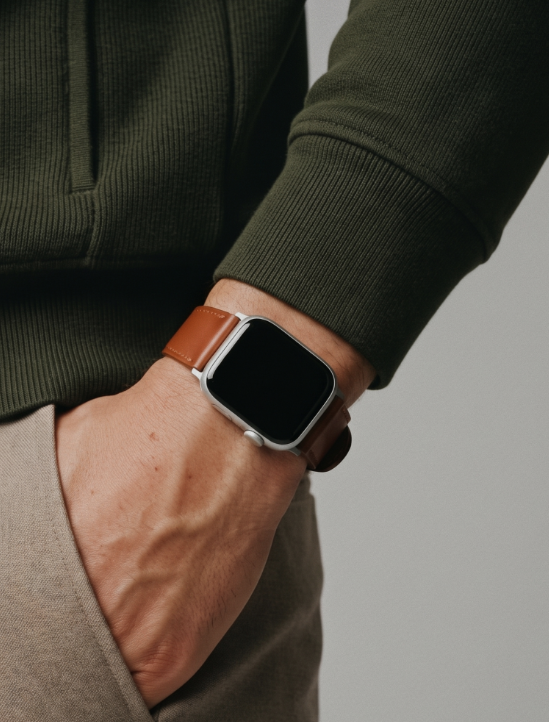
The Apple Watch works the same way. On a sports band, it reads as a fitness kit. On leather, it can be worn with a dinner jacket. For a luxury leather Apple Watch band, UK label RYAN London handcrafts its straps from Italian leather, with precision stitching, painted edges and stainless steel hardware. Saddle brown and black cover most tailoring, and brighter shades such as navy are there for anyone who wants a little more personality.
Choosing Colours That Work With Tailoring
Matching leather doesn’t mean matching everything exactly. It means the watch, the phone, the shoes and the belt all sit in the same family. Saddle brown goes well with navy suits, camel overcoats and brown brogues. Black is the more formal choice, right for charcoal and for evening wear, where it sits naturally next to black Oxfords.
That restraint is what makes a quiet luxury watch strap work. There’s no logo to read, only good leather and careful finishing that people notice up close.
A Phone Case Made for the Inside Pocket
The phone is the harder problem. It comes out at the dinner table and in meetings, and a bulky plastic case spoils the line of a jacket.
When choosing an iPhone 18 case, UK buyers who wear tailoring will want something slim and properly finished. RYAN London’s closed-bottom cases for the iPhone 18 Pro and Pro Max are made from vegetable-tanned, full-grain Italian leather, with machined metal buttons, a precision-machined metal camera frame and a sapphire crystal camera button. They’re MagSafe compatible and lined with microfibre. The closed bottom gives a clean, continuous shape, and the leather darkens and softens with handling.
For anyone weighing up a premium leather iPhone 18 cover, those details are the point. It’s a case you’re happy to leave out on a restaurant table.
Tailored Apple Accessories, London Style
London has spent centuries perfecting the suit, and applying the same thinking to the devices people carry every day is a small step that gets noticed. Choose leather over silicone and machined metal over moulded plastic, pick one colour and stick with it, and the watch and phone stop looking like add-ons. They start looking like part of the outfit.


When you step into a room that immediately draws you into a story, where every touchpoint feels personal, and every interaction leaves an uplifting mark, you feel the true power of a live brand experience.
In the UK, leading agencies such as SEVEN Events, George P. Johnson (GPJ UK), TRO, Amplify, and Backlash create immersive brand events that translate complex business goals into active, multi-sensory participation.
B2B brands can use experiential event management to give attendees a more active role in a product launch, conference, or campaign; the value depends on the brief and delivery.
For modern corporate audiences, “immersion” does not mean filling a space with loud, flashy gimmicks or overwhelming visual spectacles. Instead, it means active co-creation, where delegates become the central characters of your brand narrative.
Whether you’re launching a groundbreaking product, bringing together global executives, or activating an industry campaign, an immersive experience respects attendees’ time, engages their senses, and inspires action after the event.
Navigating the UK’s vibrant market requires a creative partner who can balance high-level storytelling with surgical operational logistics. From managing venue load-ins in tight metropolitan hubs to integrating friction-free event tech, the gap between a high-concept pitch and live execution is where a campaign succeeds or stumbles.
This guide compares five UK experiential event companies using their published work, creative approach, and stated delivery scope. The shortlist is not a performance ranking; check each agency’s role and results against your brief.
How experiential companies were selected
To provide a clear evaluation for B2B buyers, agencies were assessed against three core operational standards.
- UK presence and brand work
Each agency has a UK presence and published examples of live activations, conferences, product launches or brand experiences. Confirm which team and partners would deliver your project.
- Creative concept and participation
Immersive events shift delegates from passive observers to active participants. We evaluated agencies on their ability to build spatial narratives, interactive touchpoints, and audience-led engagement models that align directly with core brand messages.
- Production and delivery proof
For each agency, review published delivery evidence and ask who will handle spatial design, staging, technical AV, venue logistics, and on-site management for your brief.
Which companies create immersive brand events?
| Agency | Primary specialisation | Best-fit brand brief | Production & delivery model |
| SEVEN Events | Integrated experiential design, corporate summits & brand launches | B2B product launches, corporate celebrations & multi-sensory brand experiences | Creative concept, guest journey and production coordination; confirm delivery partners |
| GPJ UK | Enterprise live marketing, trade show experiences & global summits | Large-scale corporate event management & global brand activations | Global experience strategy and production; confirm the UK delivery team |
| TRO | Experiential retail, brand activations & sponsorship execution | Public brand activations, Gen-Z engagement & product sampling roadshows | Experiential campaign and activation delivery; confirm staffing and suppliers |
| Amplify | Cultural brand storytelling & high-impact creative campaigns | Global brand activations, lifestyle launches & creative installations | Creative strategy and live experience production; confirm project scope |
| Backlash | Pop-up spaces, retail activations & experiential PR | Boutique product launches, pop-up stores & disruptive street activations | Creative activation and roadshow delivery; confirm build and staffing |
Best-fit brand brief and format
- SEVEN Events: Suited to corporate briefs that combine creative design with event planning and delivery. Its Frameless anniversary project describes the concept, guest journey and production scope.
- GPJ UK: Suited to large brand and conference programmes. GPJ’s Workday Rising case describes tailored attendee journeys and hands-on activations; ask which UK team would deliver your brief.
- TRO: Suited to consumer and sport-led activations. Its North Face Summit case shows visitors taking part in climbing and bouldering activities alongside product discovery.
- Amplify: Suited to culture and technology launches. Its Google Pixel 3 Curiosity Rooms in London invited visitors into three floors of interactive experiences.
- Backlash: Suited to retail and beauty activations. Its Charlotte Tilbury Love Universe roadshow brought an interactive brand experience to audiences across the UK.
What the audience actually experienced
- Interactive spatial storytelling: Compare what visitors actually did in the published projects above, from Curiosity Rooms’ interactive spaces to hands-on activities at The North Face Summit.
- Technology and participation: Ask each agency which registration, content, and interaction tools it would use for your audience; do not assume every tool is included in its standard scope.
- Sustainable delivery: Modern experiential layouts prioritise sustainable staging materials, modular displays, and hyper-local London catering that reflect authentic corporate responsibility.
Evidence and scope limitations
When selecting an experiential partner, verify which parts of creative strategy, technical production, venue logistics, and delegate operations it manages directly and which partners it uses. Full-service agencies eliminate communication friction by managing creative strategy, AV staging, and delegate operations within one integrated plan.
How to write an experiential brief
A well-crafted creative brief transforms an ambitious idea into an achievable, high-impact live experience.
1. Audience Action and Brand Message
Define exactly what you want your attendees to feel, learn, and do during and after the event. Instead of listing desired AV equipment, outline the emotional transformation and key messages you want delegates to take back to their organisations.
2. Creative ambition versus feasibility
Encourage agencies to pitch bold, creative concepts, but require them to demonstrate operational feasibility. A successful proposal balances visual impact with realistic venue access windows, power requirements, health and safety compliance, and budget parameters.
Frequently asked questions
1. What makes a brand event immersive?
An event becomes immersive when delegates actively participate in the narrative through hands-on interaction, spatial design, and sensory touchpoints, rather than sitting as passive observers.
2. How is an experiential event different from a standard event?
Standard events focus primarily on one-way information delivery via presentations, whereas experiential events prioritise two-way engagement, active co-creation, and emotional audience connection.
3. What should an experiential agency deliver?
A full-service experiential agency may cover creative concept development, spatial design, technical production, venue sourcing, supplier management, and on-site delivery. Confirm the exact scope and delivery partners in its proposal.
4. How can a brand measure participation and impact?
Brands measure impact by combining quantitative metrics (session attendance, digital dwell time, lead captures) with qualitative sentiment analysis and post-event survey feedback.
5. What should I ask before appointing an experiential company?
Inquire about their in-house production capabilities, past case study evidence, contingency management protocols, open-book budget transparency, and approach to sustainable event design.
Choose an experiential partner whose creative approach, delivery scope, and budget fit your audience and objectives. Ask for relevant case studies and a clear plan for measuring participation and outcomes.

Company Formation in Hungary for Non-EU Citizens: Residency and Work Permit Requirements

Beyond the Sports Band: Pairing RYAN London Leather Straps and iPhone 18 Cases with Tailored Attire

Why Your iPhone Needs a Smarter Power Strategy: The Science of Staying Charged Anywhere

Nancy Simon: Meet Neil Simon’s Daughter and Woody Harrelson’s Ex Wife

Who Was Russell Derek? Inside The Life of John Derek’s Son

Who is Kassidy Duhamel? All About the Life of Josh Duhamel’s Sister
-
 Celebrity2 months ago
Nancy Simon: Meet Neil Simon’s Daughter and Woody Harrelson’s Ex Wife
-
 Biographies4 months ago
Who Was Russell Derek? Inside The Life of John Derek’s Son
-
 Biographies4 months ago
Who is Kassidy Duhamel? All About the Life of Josh Duhamel’s Sister
-

 Biographies4 months ago
Steven Fleischmann: Inside the Love Story of Erin Moran and Her Husband
-

 Biographies4 months ago
Caleb Michael Jackson: The Untold Story of Lisa Vultaggio and Jonathan Jackson’s Son
-

 Biographies4 months ago
Micah Emmanuel Lanfer: All About the Life of Sarah Drew and Peter Lanfer’s Son
-

 Biographies4 months ago
Who is Bear Beghe? All About the Life of Jason Beghe’s Son
-

 Biographies4 months ago
Mackenzie Stiles: The Real Story of Ryan Stiles’ Daughter