
Blog
Fire Door Certificate London: Why Professional Fire Door Inspection and Certification Matter


Fire doors are among the most important safety features in residential and commercial buildings. They are designed to slow the spread of fire and smoke, protect escape routes and give occupants valuable time to reach safety during an emergency. However, even a properly manufactured fire door may become ineffective if it is incorrectly installed, damaged or poorly maintained.
For landlords, managing agents and building owners, arranging a Fire Door Certificate London service can help establish whether existing fire doors have been professionally inspected and whether their condition meets the relevant fire safety requirements. The resulting documentation can also support property maintenance records and ongoing compliance responsibilities.
London-based fire safety provider Safety Spectrum London offers fire door inspections, compliance reporting, installation and remedial services for residential and commercial properties. Their services help building owners identify defects, understand necessary improvements and maintain effective fire protection.
What Is a Fire Door Certificate?
A fire door certificate london is a term commonly used for documentation associated with the fire resistance, installation or inspection of a fire door. However, not all fire door certificates serve the same purpose.
Product certification provides evidence that a particular fire door design or doorset has been assessed or tested against relevant fire resistance requirements. Installation documentation records details of the work completed, while a fire door inspection report describes the condition of an installed door and identifies defects requiring attention.
This distinction is important because an inspection document does not automatically prove that an existing door has achieved a particular fire resistance rating.
A professional fire door inspection can establish whether the visible components and operating condition of a door are consistent with its intended fire safety function.
For property owners, this documentation provides useful information about whether maintenance, repair or replacement may be necessary.
Why Are Fire Door Inspections Important in London?
London contains a wide variety of residential and commercial buildings, including purpose-built apartment blocks, converted Victorian houses, Houses in Multiple Occupation (HMOs), offices, hotels and educational premises.
These buildings often rely on fire doors to protect shared corridors, staircases, escape routes and fire-resisting compartments.
Over time, everyday use can affect fire door performance. Hinges may loosen, seals can become damaged, self-closing devices may stop working and door leaves can become misaligned.
Even relatively small defects may compromise the protection expected from a fire door assembly.
A professional inspection helps identify these problems before they contribute to increased fire risk.
For landlords and property managers responsible for multiple buildings, maintaining fire door inspection records can also support a more organised approach to ongoing maintenance.
Fire Door Regulations and Legal Responsibilities in England
Fire safety responsibilities in England are primarily established under the Regulatory Reform (Fire Safety) Order 2005, as amended.
The legislation requires responsible persons to identify relevant fire risks, maintain appropriate fire precautions and ensure that fire safety measures remain effective.
The Fire Safety Act 2021 clarified that the Fire Safety Order includes flat entrance doors between domestic premises and common areas in multi-occupied residential buildings.
Additional duties were introduced through the Fire Safety (England) Regulations 2022.
For multi-occupied residential buildings where the top storey exceeds 11 metres above ground level, responsible persons must arrange quarterly checks of communal fire doors and annual checks of flat entrance doors on a best-endeavours basis.
These specific intervals do not automatically apply to every residential or commercial property. Other buildings require appropriate inspection and maintenance arrangements based on their fire risk assessments and applicable duties.
What Does a Professional Fire Door Inspection Include?
A fire door inspection examines the visible condition, installation features and operation of a fire door assembly.
The inspection scope may vary depending on the door type, building requirements and available certification information.
Door Leaf and Frame Condition
The inspector examines the door leaf and frame for visible damage, distortion, deterioration or unsuitable alterations.
Damage to either component can affect the fire-resisting performance of the door assembly.
The inspection may also consider whether the door and frame appear compatible with the intended specification.
Fire Door Gaps and Alignment
Correct gaps around a fire door are important for its performance.
Excessive gaps can allow smoke and hot gases to pass through more easily, while insufficient clearances may prevent the door from closing properly.
The inspector examines the gaps around the door and considers whether they are appropriate for the particular door assembly and its available specifications.
Intumescent Strips and Smoke Seals
Intumescent strips are designed to expand when exposed to heat, helping seal gaps during a fire.
Smoke seals provide additional protection against the movement of smoke where specified.
The inspection considers whether the required seals are present, correctly positioned and in suitable condition.
Hinges, Closers and Ironmongery
Fire door hinges, latches and self-closing devices must be suitable for the door assembly.
A defective closer can prevent a fire door from returning to its closed position, reducing the protection it provides.
The inspector checks whether the door operates correctly and whether relevant hardware shows signs of damage or deterioration.
Glazing, Signage and Certification Information
Where fire-resistant glazing is installed, its visible condition and associated components may be examined.
The inspector may also review relevant fire door signage and available product identification labels or certification information.
A missing label does not automatically mean an older fire door is unsuitable. Its adequacy must be considered in the context of its construction, condition, available evidence and the building’s fire risk assessment.
Common Fire Door Defects That Require Attention
Many fire door problems develop gradually through everyday wear, alterations and inadequate maintenance.
Common examples include damaged smoke seals, excessive door gaps, defective hinges, loose frames and self-closing devices that no longer operate correctly.
Fire doors may also be compromised when unsuitable locks or other hardware are installed without considering the original door specification.
In some buildings, doors are held open using wedges or other inappropriate methods. This prevents them from providing the intended protection during a fire.
Professional inspections help identify these defects and establish whether corrective action is necessary.
What Happens If a Fire Door Fails Inspection?
An unsatisfactory fire door inspection does not necessarily mean that the entire door must be replaced.
Some defects can be corrected through appropriate remedial work, provided the repair is compatible with the door assembly and its intended fire performance.
For example, a suitable self-closing device may be repaired or replaced, damaged seals may be renewed and door alignment may be corrected where technically feasible.
However, significant structural damage, unsuitable construction or incompatible components may make replacement necessary.
The inspector’s findings should explain the identified defects and recommend appropriate next steps.
After corrective work has been completed, further inspection may be arranged to confirm that the specified issues have been addressed.
Fire Door Certificate London for Landlords and Property Managers
Landlords and managing agents are responsible for maintaining suitable fire safety arrangements in the buildings under their control.
In residential properties, fire doors may protect communal corridors, staircases, flat entrances and other important parts of the building.
Regular inspection and maintenance help identify problems that could compromise these arrangements.
For Houses in Multiple Occupation, fire door requirements depend on the property’s layout, occupancy, construction and relevant fire safety strategy.
Commercial premises may also require fire-resisting doors to protect escape routes and maintain compartmentation between different building areas.
Keeping inspection reports and maintenance records can help responsible persons demonstrate that identified defects have been considered and appropriate action has been taken.
Choosing a Professional Fire Door Inspection Provider
Selecting a suitable provider is important because fire door inspection requires knowledge of fire door construction, installation requirements, compatible components and relevant fire safety guidance.
Property owners should consider the inspector’s qualifications, practical experience, reporting methods and ability to explain defects clearly.
Safety Spectrum London provides fire door inspection and related fire safety services across Greater London. The company supports landlords, managing agents and commercial property owners requiring inspection documentation and practical guidance on necessary improvements.
Those seeking a Fire Door Certificate London service can explore the company’s inspection and certification options, including assessments of existing doors and support with relevant remedial work.
Where a door is found to be unsuitable, the company also offers associated fire door repair and installation services.
For property managers overseeing multiple buildings, combining inspections with planned maintenance can make it easier to track recurring defects and prioritise corrective work.
Fire Door Product Certification vs Inspection Documentation
One area that frequently causes confusion is the difference between a certified fire door product and a fire door inspection document.
A fire door with a documented fire resistance rating has supporting evidence relating to its tested or assessed construction.
For example, FD30 and FD60 are commonly used designations associated with nominal fire resistance periods of 30 and 60 minutes respectively.
However, the performance of an installed assembly also depends on the frame, hardware, seals, glazing where applicable, and the quality of installation.
A fire door inspection report records observations about the installed door. It does not replace the original fire resistance evidence or guarantee that a door will perform for a particular duration during a real fire.
This is why suitable product selection, competent installation and ongoing maintenance are all important parts of fire door safety.
How Often Should Fire Doors Be Inspected?
Fire doors should be checked and maintained at intervals appropriate to their use, condition and the building’s fire safety requirements.
As noted earlier, the Fire Safety (England) Regulations 2022 prescribe specific checks for relevant multi-occupied residential buildings above 11 metres.
For other buildings, the inspection frequency should be informed by the fire risk assessment, usage levels and applicable responsibilities.
A heavily used communal fire door may require more frequent attention than a door that is rarely opened.
Doors should also be inspected where occupants report damage, faulty operation or alterations that may affect performance.
Regular inspection is therefore part of an ongoing maintenance programme rather than a one-time certification exercise.
The Long-Term Benefits of Fire Door Maintenance
Maintaining fire doors can help building owners address minor defects before they become more serious.
A door that closes correctly today may develop problems over time because of normal wear, movement in the frame or repeated use.
Routine maintenance can identify these changes and help preserve the intended function of the door assembly.
It may also reduce the likelihood of unnecessary replacement where suitable repairs can restore satisfactory operation.
For landlords and managing agents, maintaining clear inspection histories supports planned maintenance and helps demonstrate attention to fire safety responsibilities.
Most importantly, properly maintained fire doors contribute to the protection of residents, visitors and building occupants.
Final Thoughts
Arranging a Fire Door Certificate London service can help landlords, managing agents and commercial property owners understand the condition of existing fire doors and obtain appropriate inspection documentation.
Professional inspections identify defects, highlight potential fire safety concerns and provide recommendations for suitable remedial action.
However, fire door safety depends on more than a certificate. Correct specification, competent installation, suitable maintenance and regular inspection all contribute to effective fire protection.
For building owners across Greater London, Safety Spectrum London provides fire door inspection, compliance reporting and associated remedial services.
Property owners can visit Safety Spectrum London’s Fire Door Certificate service to learn more about inspection options and arranging an assessment.
Maintaining suitable fire doors and addressing identified defects are important steps towards safer residential and commercial buildings.


A food order can leave the counter looking carefully prepared and arrive with crushed toppings, shifted portions, or a damp carton. When packaging does not suit the contents, even attractive branding cannot correct the experience customers have when they open their purchase.
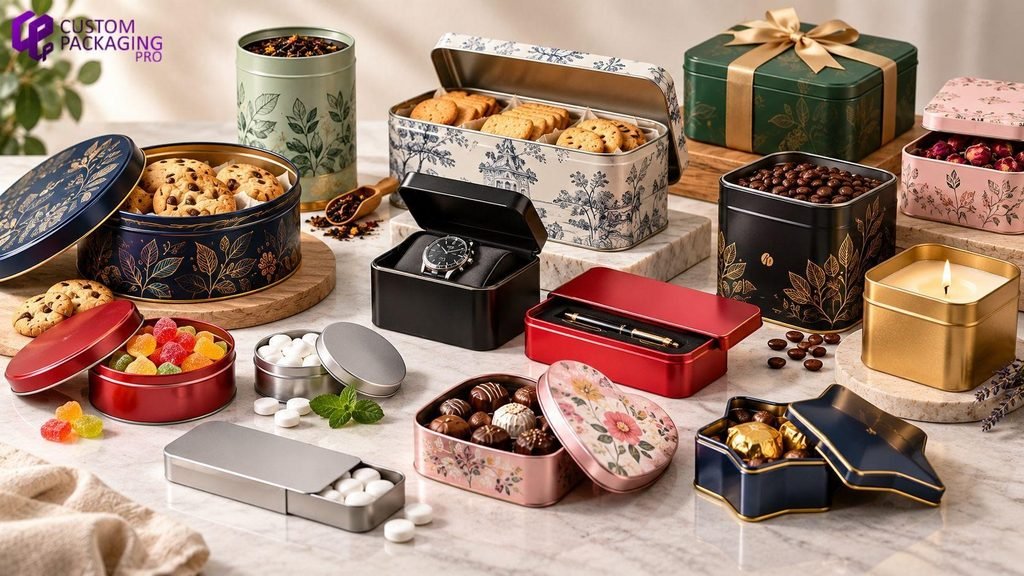
Well-planned personalized food packaging combines a recognizable brand identity with practical protection and handling. It helps businesses organize portions, communicate product information, and present everything from bakery treats to takeaway meals in packaging developed for the application.
The strongest starting point is the food itself. Temperature, moisture, grease, weight, presentation, and the journey to the customer should guide material and structural decisions before printing is finalized.
Define the Packaging’s Role Before Choosing a Style
Food boxes serve different purposes. Some directly contact the food, while others surround a sealed bag, tray, or primary container.
Identify that role before comparing designs.
A carton around a coffee pouch mainly supports organization, information, and presentation. A burger box must be suitable for its intended contact with prepared food and the conditions of service.
Clarify:
- What the package will contain
- Whether food touches it directly
- How the product is packed
- Expected holding and delivery conditions
- Whether customers eat from the container
- What information must remain visible
These details help prevent one generic format from being used across unsuitable applications.
Customized Food Packaging Starts With Portion Size
Choose dimensions around realistic servings rather than an idealized display arrangement.
Overfilled containers can interfere with closures, compress food, and make handling difficult. Oversized packaging may allow products to move or require unnecessary supporting material.
Test the normal portion and reasonable variation between orders.
For custom food packaging boxes, account for liners, trays, inserts, and individual wrapping. Those components reduce the usable space inside the outer box.
Also check the filled weight. A package that fits the portion still needs enough structural support for lifting, carrying, and the expected stacking arrangement.
Match Food-Contact Materials to the Intended Use
A material described broadly as suitable for food packaging is not automatically appropriate for every food and temperature.
Explain the application to the supplier, including direct contact, grease exposure, moisture, and any intended heating or freezing.
Request supporting information for the proposed materials, coatings, inks, and adhesives as relevant to their use.
Do not infer microwave, oven, or freezer suitability from appearance. The complete container and closure need to be specified for the intended conditions.
Where the printed box is secondary packaging, maintain the appropriate primary enclosure instead of assuming the outer carton provides equivalent protection.
Cookie Boxes Should Limit Movement and Breakage
Cookie boxes should reflect the product’s thickness, fragility, decoration, and portion count.
A firm cookie may tolerate a different arrangement from a delicate sandwich cookie or a heavily decorated biscuit. Stacking can damage surface details even when the box itself remains intact.
Cookie packaging may use suitable trays, dividers, or individual wraps where appropriate.
Test loading and removal with actual products. Customers should not need to press against neighboring cookies to lift one out.
For mixed assortments, check whether products need separation to maintain presentation or address product-specific storage concerns.
Cupcake Packaging Needs Upright Support
Cupcake boxes need enough height for frosting and decorations, along with an interior arrangement that keeps the cakes upright.
A fitted insert should hold the cupcake base without making removal unnecessarily difficult. Test it with the liners and cake sizes used in normal production.
Muffin packaging may require a different layout because the product shape and topping can differ.
Check:
- Clearance above the tallest decoration
- Space between individual products
- Insert stability
- Base support when carried
- Comfortable customer access
Evaluate the filled package during representative handling. A neat counter display does not show whether cupcakes will remain positioned during delivery.

Donut and Pie Boxes Need Support and Clearance
Donut boxes should accommodate the intended arrangement without forcing decorated surfaces against the lid or adjacent products.
A wide, shallow layout can suit some assortments, but the dimensions should follow the actual product count and size.
Pie boxes need support for the filled pie and its base or tray. Include handles, raised edges, and toppings when checking the fit.
Test how staff load the food and how customers remove it. A package that requires tilting a delicate pie to clear the opening may need a different closure or access arrangement.
Chocolate and Candy Packaging Balances Fit With Presentation
Chocolate boxes, candy boxes, and truffle boxes often need defined spaces for individual pieces.
Compartment dimensions should suit the finished products, including any cups or wrappers. Too much clearance can allow movement, while tight cavities can complicate loading and removal.
Chocolate packaging can also provide room for an assortment guide or product identifiers.
For Christmas candy boxes, consider whether seasonal artwork should be permanent or added through a sleeve, label, or card.
A decorative carton does not establish temperature protection. Plan storage and distribution around the confectionery’s requirements rather than relying on presentation packaging alone.
Burger and Hot Dog Packaging Needs Practical Access
Burger packaging should account for the assembled product, including buns, fillings, toppings, and any wrapping.
A lid should close without unnecessarily compressing the food. The base also needs to support the portion during lifting and handling.
Hot dog packaging requires suitable length and width for the finished serving, particularly when toppings extend beyond the bun.
Check whether the customer will eat directly from the package. The opening action and usable base area should support that experience.
Where grease or moisture resistance is needed, confirm the proposed construction and test it with the actual food under representative service conditions.
Pasta and Noodle Packaging Must Suit the Complete Dish
Pasta packaging and noodle packaging should be selected around the prepared dish, including sauces and added ingredients.
Dry retail pasta and hot takeaway noodles present different requirements. Their packages should not be chosen from the same assumptions.
Chinese food boxes and Chinese takeout boxes also vary in structure and performance. A familiar shape does not establish that every version can contain liquid-rich dishes.
Confirm the intended fill level, closure, and carrying orientation.
Where sauces require separate containers, test those containers within the complete order. They should remain secure rather than shifting freely around the main meal.
Leak-Resistant Claims Need Actual Product Testing
A kraft appearance, folded corner, or tab closure does not by itself establish leak resistance.
Performance depends on the material, barrier treatment, seams, closure, food characteristics, and handling conditions.
Before describing customized food containers as leakproof, obtain evidence appropriate to the intended use. Test samples with the actual contents, expected fill level, holding period, and transport arrangement.
Distinguish resistance to surface grease from the ability to contain free liquid.
Cardboard takeaway boxes with tab closures may suit certain meals while requiring separate containers for sauces or dressings. Select the format according to demonstrated performance.
Tea and Coffee Packaging Need an Appropriate Inner Pack
Tea boxes and coffee boxes can organize products and provide space for branding, preparation information, and variant identification.
However, a printed paperboard carton does not automatically provide the barrier needed by the contents.
Coffee packaging may include a suitable primary pouch or container inside an outer box. Tea packaging can involve individually wrapped portions, sealed inner packs, or other product-specific arrangements.
Custom ziplock bags for food may offer convenient resealing, but their materials and production seals still need to suit the product.
Evaluate the primary package and outer carton together rather than treating either component as a universal solution.

Food Delivery Boxes Should Organize the Whole Order
Food delivery packaging must account for more than one container in isolation.
A meal box may contain a main dish, side, sauce, dessert, and cutlery. Their positions should support carrying and reduce unwanted movement.
Test the complete order inside its delivery bag or outer box.
Consider:
- Heavier items at the base
- Separation of delicate products
- Secure sauce containers
- Clear order identification
- Stack stability
- Opening without spilling loose components
Paper food boxes alone should not be assumed to maintain safe food temperatures. Temperature management requires an appropriate food-handling and delivery process for the application.
Recipe Boxes and Subscription Orders Need Flexible Layouts
Recipe boxes and recurring food assortments can change from one delivery to the next.
Evaluate several planned combinations before approving dimensions. A package developed around one week’s contents may not accommodate a taller container or heavier assortment later.
Separate food items from printed recipes and other additions where needed.
Products requiring controlled temperatures need a suitable distribution system rather than a decorative outer box alone.
Packaging for pet food deserves its own specification as well. Dry treats, oily products, and other pet-food formats may require different barriers and closures; do not assume a pouch approved for another product is automatically suitable.
Food Box Printing Should Make Orders Easy to Identify
Food box printing can create a consistent appearance across different package sizes, but useful information needs priority.
Make the brand, product type, and relevant variant easy to recognize. Leave suitable space for order labels and applicable product information.
Branded food containers should also help staff distinguish similar-looking orders during service.
Keep permanent artwork separate from information that changes frequently. Labels or other suitable variable-printing methods may provide more flexibility for changing menus.
Review artwork on the assembled package. Important wording should remain readable after folding, closing, and placing the container in its normal carrying position.
Sustainable Choices Need More Than a Natural Appearance
The most suitable sustainable custom packaging for food outlets depends on the application and available disposal systems.
A brown surface or plant-based description does not establish recyclability or compostability. Coatings, liners, attached components, and food contamination all affect disposal options.
Start with practical questions:
- Can the package be appropriately right-sized?
- Are all separate components necessary?
- Does it protect the food effectively?
- Is the environmental claim supported?
- Can customers follow the disposal instructions locally?
Avoid removing a necessary barrier simply to reduce components. Product protection and the prevention of avoidable food waste belong in the decision.
Compare Custom Food Packaging Supplies Through Samples
When comparing custom food packaging companies, provide the same brief so quotations describe equivalent requirements.
Include portion dimensions, direct-contact conditions, materials, printing, quantities, and the intended packing process.
Test custom food packaging supplies during actual operations. Review assembly, loading speed, closure consistency, filled weight, handling, and performance over the expected service period.
Confirm repeat-order specifications and how changes will be approved.
A lower unit price may offer limited value if the package requires extra labor, additional liners, or frequent replacements. Compare the complete cost of using the package, including storage and delivery arrangements.
Final Thoughts
Personalized food packaging works best when branding follows a structure suited to the food and service process. Bakery treats, takeaway meals, confectionery, and retail ingredients each bring different requirements.
Custom Made Packaging can help accommodate portion sizes and presentation needs, while Custom Boxes With Logo give different formats a recognizable identity. The aim is consistent branding supported by practical performance.
When discussing a project with a Custom Packaging Supplier, share actual products, packing conditions, and delivery requirements. These details help shape a Custom Packaging Solution around the business’s daily operations.
Approve samples with the food they will hold. Packaging that loads efficiently, carries reliably, and opens comfortably gives customers a better experience from collection to the final serving.
Frequently Asked Questions
- What is personalized food packaging?
Personalized food packaging uses selected dimensions, structures, and branded artwork for a food business or product. It can include boxes, containers, sleeves, and pouches. The design should suit the food, contact conditions, portion size, and intended handling or delivery process.
- What material is best for custom food packaging boxes?
The appropriate material depends on direct food contact, temperature, moisture, grease, product weight, and distribution. Paperboard, coated constructions, plastic containers, or flexible pouches may suit different applications. Confirm the proposed specification rather than choosing from material appearance alone.
- Can food boxes be printed with a logo?
Yes. Food boxes can carry logos, colors, illustrations, and product information using an appropriate printing system. Confirm that materials, inks, and construction suit the intended application. Leave space for variable order details and applicable product labeling before finalizing the artwork.
- Are kraft takeaway boxes leakproof?
Not automatically. Leak resistance depends on the complete construction, including coatings, seams, closures, and the food being packed. Test the intended fill level and handling conditions. Grease resistance and the ability to contain liquid are different performance requirements.
- Can customized food containers be used in a microwave?
Only when the complete container is specified as suitable for the intended microwave use. Material appearance is insufficient to establish compatibility. Check the supplier’s instructions for the container, lid, and other components rather than assuming all food packaging can be reheated.
- What should businesses test before ordering food packaging in bulk?
Test portion fit, food-contact suitability, loading, closure performance, filled strength, and handling with actual food. Evaluate grease or moisture performance where relevant and review delivery arrangements. Confirm printing, storage requirements, and approved specifications before committing to larger quantities.


Opening a corporate bank account in the United Arab Emirates can be an important step for entrepreneurs, international investors, and business owners. However, not everyone who establishes a company in the UAE lives in the country or holds a UAE residence visa. This often raises an important question: can a non-resident open a business bank account in the UAE?
The answer is yes, it may be possible in certain circumstances, but approval depends on the bank, company structure, business activities, and the documents provided. Business owners can prepare for the process by understanding the requirements and choosing a suitable banking option. Professional guidance from ha group can also help entrepreneurs understand company documentation and corporate bank account opening procedures in the UAE.
Is a UAE Residence Visa Mandatory for a Corporate Bank Account?
A UAE residence visa is not automatically a legal requirement for every company shareholder or business owner. The UAE Ministry of Economy explains that a person does not need to be a UAE resident simply to qualify as a partner or manager of a limited liability company, subject to the applicable rules.
However, company ownership eligibility and bank account approval are two different matters. A business may be legally registered even when its shareholders live abroad, but the bank must independently assess the company and the people who control it.
Some banks may accept applications involving non-resident shareholders, while others may require a residence visa, Emirates ID, or an in-person meeting for particular account types. The requirements can also differ depending on whether the business is registered on the mainland, in a free zone, or as an offshore entity.
Therefore, entrepreneurs should confirm the chosen bank’s current requirements before completing their company formation or travelling to the UAE.
Which Types of Companies Can Apply Without a Residence Visa?
The available options depend on the company’s legal structure, the bank’s policies, and the residency status of its shareholders and authorised signatories.
1. UAE Mainland Companies
A mainland company can potentially apply for a corporate bank account even when one or more shareholders live outside the UAE. The bank will normally examine the trade licence, ownership structure, business activity, and identity documents.
Some banks may require the authorised signatory to attend an appointment or provide additional identification. A non-resident shareholder should not assume that company registration automatically guarantees access to a bank account.
2. Free Zone Companies
Free zone companies are popular among international entrepreneurs because they can offer different business licensing and ownership arrangements. However, having a free zone licence does not guarantee that every bank will accept a non-resident account signatory.
The bank may ask for the company’s business plan, office or registered address details, shareholder information, and evidence of expected transactions. Some free zones also work with designated banking partners, whose application requirements should be checked in advance.
3. Offshore Companies
Certain offshore structures may be suitable for international holding, investment, or other permitted business purposes. However, offshore registration does not guarantee that a UAE bank will open an account for the company.
Banks may apply additional checks to understand where the company operates, who owns it, and why it needs a UAE account. The business purpose and source of funds must be clearly documented.
Documents Required to Open a Corporate Bank Account
The documentation required for a non-resident company account varies by bank. Preparing a complete file can help reduce unnecessary delays and repeated requests for information.
Commonly requested documents include:
- Passport copies: Passports of shareholders, directors, beneficial owners, and authorised signatories, as applicable.
- Company trade licence: A valid UAE trade licence or other relevant company registration documents.
- Memorandum and Articles of Association: Documents explaining the company’s structure, ownership, and governance.
- Shareholder information: Share certificates, ownership details, and information about the ultimate beneficial owners.
- Proof of address: Residential address evidence for relevant individuals and business address documentation.
- Business plan: A clear explanation of the company’s activities, customers, suppliers, and expected transactions.
- Source of funds evidence: Documents showing how the business and its owners obtained the money used to establish or operate the company.
- Financial statements: Existing companies may need bank statements, audited accounts, invoices, or contracts.
- Board resolution: Where applicable, a resolution authorising the account opening and identifying the authorised signatories.
Foreign corporate shareholders may also need certificates of incorporation, good standing, or other company records. Depending on the jurisdiction and bank, these documents may require notarisation, legalisation, or certified translation.
Not every applicant will need every document on this list. Ask the selected bank for its specific checklist, particularly when the shareholder or authorised signatory does not hold UAE residency.
How Do Banks Assess Non-Resident Applications?
Banks must understand who they are dealing with, what the company does, and how money will move through the account. This process is commonly referred to as Know Your Customer (KYC) and customer due diligence.
The following factors can influence an application.
Business Activity and Commercial Purpose
The company should have a clear and legitimate reason for opening a UAE bank account. Applicants should be able to explain their products or services, target markets, expected customers, and anticipated transactions.
For example, a trading company should be prepared to explain its suppliers, buyers, and payment arrangements. A consulting business may need to describe its services, client locations, and expected revenue.
Source of Funds and Source of Wealth
Banks may ask where the initial business capital came from and how the beneficial owners accumulated their wealth. Supporting evidence could include personal or corporate bank statements, audited financial statements, contracts, investment records, or other relevant documents.
Unclear or inconsistent financial information can lead to additional questions or a refusal.
Shareholder and Ownership Structure
Banks need to identify the people who ultimately own or control a company. Complicated ownership arrangements involving several jurisdictions can require additional verification.
Applicants should provide accurate shareholder records and disclose beneficial ownership information. If another company owns shares in the UAE business, the bank may request documents tracing that ownership to the relevant individuals.
Expected Account Activity
The expected value, frequency, and origin of transactions should match the company’s stated business model. Banks may ask about international transfers, major customers, cash transactions, or payments to countries where the business operates.
Providing realistic transaction estimates and supporting commercial evidence can help the bank understand the account’s intended use.
For further information about these obligations, consult the Central Bank of the UAE’s guidance on customer due diligence for legal persons.
Can You Open a Corporate Bank Account Remotely?
In some cases, parts of the application can be completed online or from overseas. However, fully remote account opening is not available for every bank, company type, or applicant profile.
A bank may request a video interview, certified documents, additional identity checks, or an in-person visit by an authorised signatory. It may also require original documents or further verification before activating the account.
Before applying, ask the bank these questions:
- Can non-resident shareholders open this account type?
- Does the authorised signatory need a UAE residence visa or Emirates ID?
- Is an in-person appointment mandatory?
- Can identity verification and document submission be completed remotely?
- Are there minimum balance requirements or monthly account fees?
- What additional documents are needed for foreign shareholders?
Getting clear answers before starting can save time and help you avoid applying to a bank whose requirements do not match your circumstances.
Common Reasons Corporate Bank Account Applications Are Rejected
A non-resident application may be declined for several reasons. Understanding these issues can help business owners prepare a stronger application.
Incomplete documentation: Missing company records, expired identification, or uncertified foreign documents can delay the assessment.
Unclear business activities: If the applicant cannot explain how the company generates revenue, the bank may need further evidence or decide not to proceed.
Insufficient financial evidence: The bank may request more information when the source of capital or expected transaction values are not adequately supported.
Complex ownership arrangements: Multiple corporate shareholders, unclear beneficial ownership, or inconsistent company records can lead to enhanced checks.
Unsuitable bank selection: A bank that generally requires resident signatories may not be the best choice for a company whose owners live overseas.
A rejection from one bank does not necessarily mean that every bank will decline the company. However, applicants should identify and address the underlying issue before submitting another application rather than sending the same incomplete file to multiple institutions.
Practical Tips for Non-Resident Business Owners
Entrepreneurs can take several steps to improve their preparation before applying for a corporate bank account.
First, choose a company structure that matches the actual business activity and commercial objectives. Consider the banking implications of the chosen jurisdiction before registering the company.
Second, maintain consistent information across the trade licence, incorporation documents, business plan, shareholder records, and application forms. Even small differences in company names, addresses, or ownership details may trigger additional checks.
Third, prepare evidence of genuine commercial activity. Signed contracts, invoices, supplier agreements, customer correspondence, and a professional business website can help explain the company’s purpose when relevant.
Fourth, keep financial records organised and make sure that the declared source of funds is supported by appropriate documents.
Finally, confirm account fees, minimum balance requirements, signatory rules, and remote onboarding options before committing to a banking arrangement. No adviser or service provider can guarantee that a bank will approve an application because the final decision rests with the financial institution.
Conclusion
Opening a corporate bank account without a UAE residence visa can be possible for certain businesses, but it is not guaranteed. Eligibility depends on the bank’s policies, the company’s legal structure, the residency status of its shareholders and signatories, and the strength of its documentation.
Non-resident entrepreneurs should focus on selecting a suitable bank, preparing accurate company records, demonstrating a legitimate business purpose, and providing clear evidence of the source of funds. Confirming the requirements in advance can make the process more efficient and reduce the risk of avoidable delays.
With careful preparation and a clear understanding of the bank’s compliance requirements, international business owners can explore suitable corporate banking options in the UAE without assuming that a residence visa is always mandatory.

Understanding the Strategic Impact of Professional Apparel
Choosing the right workwear for your team is far more than a simple procurement task. It is a foundational element of your brand identity and a critical factor in employee satisfaction. When a team wears high quality, well fitted clothing, it communicates a message of professionalism and reliability to clients and competitors alike. This visual consistency builds trust, especially in industries where staff are customer facing or working on site.
Beyond the external perception, workwear plays a significant role in internal culture. A unified look fosters a sense of belonging and equality among staff members. It removes the daily stress of choosing an outfit and ensures that everyone, regardless of their personal budget, looks the part. When you choose to partner with a reliable supplier like Totally Branded to source these garments, you are investing in the long term morale and presentation of your workforce.
Psychologically, the right clothing can even improve performance. Enclothed cognition is a term used by researchers to describe the systematic influence that clothes have on the wearer’s psychological processes. When employees put on gear that feels professional and fit for purpose, they naturally adopt a more focused and professional mindset. This transition from personal life to professional duty is facilitated by the physical act of putting on a uniform.
Assessing Safety Requirements and Compliance Standards
Safety is the non negotiable starting point for many industries, particularly in construction, manufacturing, and healthcare. Before considering aesthetics, you must conduct a thorough risk assessment of the work environment. This involves identifying specific hazards such as extreme temperatures, chemical exposure, electrical risks, or low visibility conditions.
1. High Visibility Requirements: For those working near traffic or heavy machinery, garments must meet specific EN ISO standards. The level of visibility required depends on the speed of nearby traffic and the complexity of the work environment.
2. Flame Resistance and Arc Flash Protection: In electrical or welding environments, fabrics must be treated or inherently designed to resist ignition and provide thermal insulation.
3. Personal Protective Equipment Integration: Your workwear must be compatible with other PPE, such as harnesses, hard hats, or tool belts. If a jacket is too bulky, it might interfere with a safety harness, creating a new hazard.
Ensuring that your team is safe is the most direct way to show you value their well being. When looking for How to Choose the Right Workwear for Your Team Totally Branded offers a range of options that meet these rigorous safety standards while maintaining a professional look. Always check for certifications and ensure that the branding process, such as embroidery or heat transfers, does not compromise the safety features of the fabric.
Subheadings for Technical Compliance
Understanding Fabric Weight and GSM
The weight of the fabric, measured in grams per square meter, is a key indicator of its suitability for specific tasks. Heavier fabrics are generally more durable and suited for rugged outdoor work, while lighter weights are preferable for indoor environments or high activity roles where breathability is paramount.
Weather Resistance and Layering Systems
For outdoor teams, a three layer system is often the most effective approach. This includes a moisture wicking base layer, a thermal insulating middle layer, and a waterproof, windproof outer shell. This modularity allows employees to adapt to changing weather conditions throughout the day without sacrificing protection.
Selecting Fabrics for Durability and Comfort
The choice of material determines how long the uniform will last and how comfortable the wearer will be during an eight hour shift. While 100 percent cotton is soft and breathable, it often lacks the durability required for intensive labor and can shrink or fade over time. Polyester blends are frequently preferred for their color retention and wrinkle resistance.
1. Polycotton Blends: These offer a balance of comfort and strength. They are easy to wash, dry quickly, and maintain their shape after many cycles.
2. Performance Synthetics: Modern moisture wicking fabrics are essential for high activity roles. These materials pull sweat away from the skin to the surface of the fabric where it can evaporate.
3. Reinforced Panels: In high wear areas like knees, elbows, and pockets, look for garments with Cordura or similar high tenacity nylon reinforcements to extend the life of the clothing.
Comfort is not a luxury; it is a productivity tool. An employee who is constantly adjusting an itchy collar or struggling with restricted movement is an employee who is distracted. Prioritize fabrics with a slight stretch, often achieved by adding a small percentage of elastane, to allow for a full range of motion.
Integrating Brand Identity into Uniform Design
Your team members are walking billboards for your business. The way your logo and brand colors are integrated into the workwear can significantly impact brand recall. However, there is a fine line between a professional uniform and an overly cluttered design.
1. Embroidery: This is the gold standard for a premium look. It is highly durable and adds a tactile, three dimensional quality to the logo. It is best suited for polo shirts, jackets, and hats.
2. Screen Printing: Ideal for large designs on t shirts or hoodies, screen printing allows for vibrant colors and fine detail at a lower cost for high volume orders.
3. Heat Transfers: These are excellent for complex, multi colored logos or for application on technical fabrics where embroidery might compromise waterproofing.
When you work with Totally Branded, you can ensure that your visual identity is replicated accurately across different garment types. Consistency in color matching is vital; your brand blue should look the same on a softshell jacket as it does on a cotton t shirt. Consider the placement of the logo as well. While the left chest is traditional, adding a logo to the nape of the neck or the sleeve can add a modern, stylish touch.
Navigating Sizing and Inclusive Fit for Diverse Teams
One of the biggest challenges in choosing workwear is ensuring every team member feels comfortable and confident. A one size fits all approach rarely works. You must account for different body shapes, heights, and gender specific cuts. Men and women have different ergonomic needs; for instance, female specific trousers often feature a different rise and hip measurement to ensure a better fit.
1. Provide Sizing Samples: Before placing a bulk order, request a sizing set. This allows employees to try on different sizes and styles to find their best fit.
2. Consider Tall and Petite Options: Standard leg lengths do not work for everyone. Offering varied lengths prevents tripping hazards and ensures knee pads sit in the correct position.
3. Inclusive Sizing Range: Ensure your chosen supplier offers a wide range of sizes, from XS to 5XL or beyond, so no team member feels excluded or forced into ill fitting clothes.
A poorly fitting uniform is not just an aesthetic issue; it can be a safety hazard. Excessively baggy clothing can get caught in machinery, while overly tight clothing can restrict blood flow and movement. By prioritizing an inclusive fit, you demonstrate respect for your employees’ individuality and physical comfort.
Considering Environmental Impact and Sustainability
Sustainability is no longer a niche concern; it is a core business requirement. Many organizations are now looking for workwear made from recycled polyester, organic cotton, or sustainable wood pulp fibers like Tencel. Choosing eco friendly workwear helps reduce your company’s carbon footprint and appeals to environmentally conscious clients and employees.
1. Recycled Materials: Many high performance workwear items are now made from recycled plastic bottles. These fabrics offer the same durability and technical properties as virgin polyester.
2. Circularity and End of Life: Consider what happens to the garments when they are no longer fit for use. Some suppliers offer recycling programs where old uniforms are shredded for insulation or repurposed into new textiles.
3. Quality Over Quantity: The most sustainable choice is often the one that lasts the longest. Investing in higher quality garments reduces the frequency of replacement, leading to less waste over time.
By selecting durable items from Totally Branded, you are already making a more sustainable choice than opting for cheap, disposable alternatives. A long lasting garment represents a more efficient use of resources and a better return on investment.
Managing Costs and Long Term Procurement Strategies
Budgeting for workwear requires a shift from looking at the initial purchase price to calculating the total cost of ownership. A cheap shirt that needs replacing every three months is far more expensive than a premium shirt that lasts a year.
1. Bulk Purchasing: Ordering in larger quantities usually reduces the unit price. However, be careful not to overstock sizes that are rarely used.
2. Managed Accounts: For larger teams, a managed uniform service can track individual allocations and simplify the reordering process.
3. Tax Implications: In many jurisdictions, workwear is tax deductible if it is clearly branded and required for the job. Consult with your accountant to maximize these benefits.
Transparency in pricing is essential. Ensure you understand the costs for setup, decoration, and delivery before committing. A clear procurement strategy helps in maintaining a consistent look as the team grows, ensuring that new hires receive the same quality of gear as the original staff.
Empowering Employees Through the Selection Process
Employee buy in is critical for the success of any new uniform rollout. If staff feel the clothing has been forced upon them without their input, they are more likely to find fault with it. Involving them in the selection process can turn a potential point of friction into a team building opportunity.
1. Form a Focus Group: Select a few representatives from different departments to test prototypes and provide feedback on fit and functionality.
2. Conduct Surveys: Ask the wider team about their preferences regarding fabric feel, pocket placement, and color schemes.
3. Provide Choice: Where possible, offer a small range of approved items. For example, let employees choose between a polo shirt or a button down shirt, as long as both are branded correctly.
When employees feel their opinions are valued, they are more likely to wear the uniform with pride. This sense of ownership leads to better care of the garments and a more positive representation of the company.
Establishing a Maintenance and Replacement Protocol
Even the best workwear will eventually wear out. To maintain a professional image, you need a clear system for when and how garments are replaced.
1. Washing Instructions: Provide clear guidance on how to care for the garments. High temperatures and harsh detergents can damage logos and technical coatings.
2. Regular Inspections: Encourage supervisors to check the condition of their team’s workwear. Frayed hems, faded logos, or holes should be addressed promptly.
3. Easy Replacement Process: Make it simple for employees to request new items when their current ones are damaged or worn out. A streamlined process prevents staff from working in subpar clothing.
A well maintained uniform reflects a well run business. By following these steps and sourcing your apparel through Totally Branded, you ensure that your team is always equipped with the best possible tools for their trade. The right workwear is an investment in your people, your brand, and your future success.

Private Instagram Account Viewer: 6 Popular Services Compared for Safety and Transparency

An Easy Method to Make Your Visions Into Visuals

How ABA Therapy Helps Children Build Skills That Last a Lifetime

Nancy Simon: Meet Neil Simon’s Daughter and Woody Harrelson’s Ex Wife

Who Was Russell Derek? Inside The Life of John Derek’s Son

Steven Fleischmann: Inside the Love Story of Erin Moran and Her Husband
-
 Celebrity3 months ago
Nancy Simon: Meet Neil Simon’s Daughter and Woody Harrelson’s Ex Wife
-
 Biographies5 months ago
Who Was Russell Derek? Inside The Life of John Derek’s Son
-
 Biographies5 months ago
Steven Fleischmann: Inside the Love Story of Erin Moran and Her Husband
-

 Biographies5 months ago
Who is Kassidy Duhamel? All About the Life of Josh Duhamel’s Sister
-

 Biographies5 months ago
Caleb Michael Jackson: The Untold Story of Lisa Vultaggio and Jonathan Jackson’s Son
-

 Biographies5 months ago
Micah Emmanuel Lanfer: All About the Life of Sarah Drew and Peter Lanfer’s Son
-

 Biographies5 months ago
Who is Bear Beghe? All About the Life of Jason Beghe’s Son
-

 Technology3 months ago
BotPower Explained: A Complete Guide to IMVU Tracking Tools