
Health
How ABA Therapy Helps Children Build Skills That Last a Lifetime


Every parent wants their child to thrive, to communicate confidently, to connect with others, and to navigate the world with the tools they need to succeed. For many families raising a child with autism, finding the right support can feel overwhelming. That’s where Applied Behavior Analysis comes in, offering a structured, evidence-based path toward meaningful growth.
At Big Dreamers ABA, we’ve seen firsthand how the right therapeutic approach can transform a child’s daily life. From learning to express needs through words or gestures to developing the patience required for turn-taking during play, these small victories accumulate into something much bigger: a child who feels more capable, more understood, and more connected to the people around them.
This post explores what this therapeutic approach involves, why it’s become one of the most trusted interventions for children with autism spectrum disorder, and how families can find the right support for their unique journey.
What Makes This Therapeutic Approach So Effective?
Applied Behavior Analysis is grounded in decades of research into how behavior works and how new skills can be taught through consistent reinforcement. Rather than applying a one-size-fits-all program, trained therapists observe each child closely, identify specific goals, and design individualized plans that target communication, social skills, self-care, and behavior management.
What sets this approach apart is its data-driven nature. Progress isn’t guessed at or assumed. Every session involves careful tracking of a child’s responses, allowing therapists to adjust strategies in real time. If a particular technique isn’t producing results, it gets refined. If something is working beautifully, it gets reinforced and expanded upon.
This responsiveness is part of why so many families turn to this method. Children aren’t forced into a rigid mold. Instead, therapy bends to meet them exactly where they are.
How Does Early Intervention Shape Long-Term Outcomes?
Research consistently points to one key factor in successful outcomes: timing. The earlier a child begins receiving structured support, the more opportunity there is to build foundational skills during critical developmental windows.
Early intervention doesn’t just address immediate challenges like limited verbal communication or difficulty with social cues. It also helps prevent certain behaviors from becoming deeply ingrained habits that are harder to shift later on. Think of it like laying the groundwork for a house. The stronger the foundation, the more stable everything built on top of it will be.
That said, it’s never too late to see progress. Older children and even teenagers can benefit significantly from a well-designed program, particularly when it’s tailored to their current developmental stage and personal interests.
What Does a Typical Session Actually Look Like?
Sessions can vary widely depending on a child’s age, needs, and goals, but most share a common structure built around play, repetition, and positive reinforcement.
A therapist might work on expanding a child’s vocabulary by using flashcards paired with favorite toys, rewarding each correct response with praise or a small incentive. In another session, the focus might shift to social skills, where the therapist models appropriate greetings or turn-taking during a board game.
Here’s what families can typically expect:
- Individualized goals: Each child’s plan reflects their specific strengths, challenges, and family priorities.
- Consistent reinforcement: Positive behaviors are rewarded to encourage repetition and skill retention.
- Data tracking: Therapists document progress during every session to refine strategies as needed.
- Family involvement: Parents and caregivers often receive coaching so skills can be reinforced at home.
- Gradual skill-building: Sessions build on previous progress, moving from simple tasks to more complex ones over time.
This structure creates predictability for children, which many find comforting, while still allowing enough flexibility to adapt as new needs arise.
Why Should Parents Consider a Dedicated Provider Like Big Dreamers ABA?
ABA Therapy designed around your child’s unique strengths and pace can make all the difference between slow, frustrating progress and genuine, lasting growth. That’s the philosophy driving everything we do at Big Dreamers ABA. We understand that no two children are alike, which is why our team takes the time to build relationships with each family before crafting a treatment plan.
Our therapists bring years of specialized training to every session, but what truly distinguishes our approach is the warmth and patience we bring into each child’s world. We celebrate small wins loudly, because we know how much they matter. A first spoken word, a shared smile, a moment of eye contact during play; these are the building blocks of a fuller, more connected life.
Families working with Big Dreamers ABA also benefit from ongoing communication and support. We don’t just show up for sessions and disappear. We partner with parents, offering practical strategies that extend therapeutic progress into everyday routines like mealtime, bedtime, and family outings.
How Can Families Get Started?
Taking the first step toward specialized support can feel daunting, but it doesn’t have to be. Most programs begin with a comprehensive assessment, where a qualified professional evaluates a child’s current skills, challenges, and family goals. From there, a customized treatment plan is developed, often incorporating input from parents, teachers, and other caregivers who know the child well.
Consistency matters enormously in this process. Children tend to make the most progress when therapy sessions happen regularly and when strategies are reinforced across multiple environments, not just during scheduled appointments. This is why many providers, including our team, emphasize collaboration with schools and families rather than treating therapy as an isolated activity.
If you’re exploring options for your child, consider asking potential providers about their experience with children of similar ages and needs, how they measure progress, and how they involve families in the process. These questions can help you find a true partner in your child’s development.
Moving Forward with Confidence
Raising a child with unique developmental needs comes with its share of challenges, but it also comes with opportunities for incredible growth, connection, and joy. With the right support system in place, children can build skills that serve them not just today, but for years to come.
At Big Dreamers ABA, we’re honored to walk alongside families during this journey, offering compassionate, individualized care that puts each child’s potential front and center. If you’re ready to explore how our programs can support your family, reach out today to schedule a consultation and take the next step toward a brighter future for your child.

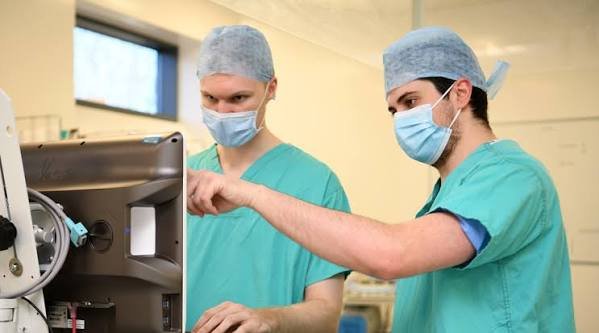
When British patients first consider having cosmetic surgery abroad, the initial spark is almost always financial. Seeing private hospital quotes in London or Manchester climb past £7,000 or £8,000 for a single operation naturally prompts people to look across Europe for better value. Yet price alone rarely convinces someone to board a plane for an elective medical procedure. What turns curiosity into confidence is discovering that leading Polish clinics combine Central European affordability with British clinical training, European Union medical regulations, and direct, surgeon-led care.
Over the past decade, Poland—and particularly medical hubs like Wrocław—has earned a loyal following among UK and Irish patients. Rather than feeling like an unfamiliar leap into the unknown, traveling to Poland for aesthetic surgery often feels more personal and transparent than booking through a high-street British clinic chain.
British Training and International Surgical Pedigree
One of the strongest reasons UK patients feel at ease in Poland is the professional background of the surgeons leading top private clinics. Many prospective patients worry about language barriers or cultural misunderstandings around aesthetic goals—for example, wanting natural-looking breast proportions rather than an exaggerated look, or subtle facial rejuvenation instead of obvious tightness.
Leading clinics in Wrocław eliminate that barrier entirely because their surgical teams have spent years practicing directly inside the UK and Western European healthcare systems. For example, Dr. Adam Kalecinski brings over 25 years of dedicated cosmetic surgery experience to his practice, including 15 years working in Britain—among them a role on the cosmetic surgery team at Queen Elizabeth Hospital in London—and over 10,000 completed procedures. Alongside him, specialist consultant surgeons such as Dr. Wojciech Berendt, a member of the Polish Society of Plastic and Reconstructive Surgery with extensive hospital reconstructive training, and female plastic surgeon Dr. Nawall Matar give patients genuine choice and deep clinical expertise.
Informed consent becomes effortless when you sit down for a consultation with a surgeon who understands British clinical standards and speaks fluent English. Every incision line, implant profile, and recovery milestone is discussed directly between you and the doctor performing your operation—never filtered through a commission-based salesperson.
Strict European Union Standards in Every Operating Theater
A common myth surrounding affordable surgery overseas is that lower prices must mean older equipment or looser hygiene rules. Because Poland is a full member of the European Union, private surgical clinics must comply with strict EU Medical Devices Regulations, sterilization protocols, and clinical governance inspections.
State-of-the-art clinics in Wrocław operate dedicated, purpose-built operating theaters using the exact same European-certified cohesive gel implants, surgical sutures, and modern anesthetic monitoring technology found in leading UK private hospitals. Furthermore, UK citizens traveling to Poland can carry their Global Health Insurance Card (GHIC) or valid EHIC for state-funded emergency medical cover during their trip—an extra layer of practical reassurance that non-EU destinations cannot provide.
Transparent 2026 Pricing Without Hidden Hospital Add-Ons
What surprises many British patients most is how straightforward every Cosmetic surgery price is in Poland compared to UK private hospitals, where initial quotes frequently exclude consultation fees, blood work, anesthesia, or overnight stays. In Poland, lower commercial rents, reduced administrative overhead, and favorable currency exchange rates allow clinics to offer bundled prices that save UK patients 30% to 60% while keeping clinical care front and center.
Across popular procedures in 2026, baseline costs in Poland illustrate why so many British patients make the short trip:
- Breast Surgery: Breast enlargement starts from £3,310 (compared to £5,000–£8,000 in Britain), breast uplift starts from £2,990, combined enlargement with uplift begins at £4,020, and breast reduction starts from £3,630.
- Body Contouring: Tummy tuck (abdominoplasty) procedures start from £3,470, roughly half of typical UK private hospital tariffs, while targeted liposuction starts from £860 for smaller areas like the chin and £1,650 for the abdomen.
- Facial Rejuvenation: Nose correction (rhinoplasty) begins at £2,950, upper or lower eyelid lifts (blepharoplasty) start from £1,330, and full facelifts start from £3,630.
Crucially, these figures already cover your in-person surgeon consultation, full pre-operative examination, general or local anesthesia, an overnight stay at the clinic with round-the-clock nursing care, surgical garments or dressings, and daily post-operative checkups before you fly home.
Zero Upfront Deposits and Real Patient Accountability
High-pressure sales tactics are one of the biggest frustrations British patients report when visiting commercial cosmetic surgery chains at home. In contrast, established Polish clinics build trust through financial transparency and open patient communities.
At Europe Surgery in Wrocław, for instance, patients are not asked to pay an upfront deposit just to hold a surgery date. You travel to Poland, meet your surgeon face to face for a thorough physical assessment, confirm your surgical plan, and settle your treatment fee directly at the clinic only when you are completely ready to proceed. Even better, prospective patients can join active, independent patient communities—such as a Facebook group of more than 18,000 past and current patients—to read unfiltered recovery diaries, view real before-and-after photos, and ask honest questions before booking a single flight.
Short Two-Hour Flights and Calm Daily Aftercare
Trust also grows out of practical logistics. Direct flights from London, Manchester, Birmingham, Bristol, Liverpool, Leeds, and Edinburgh reach Wrocław in roughly two hours—often faster than driving across Britain. Because the clinic sits just ten minutes from Wrocław Airport and offers comfortable accommodation options right across the street (from modern apartments at around £30 per night to partner hotel rooms starting around £23 to £27 per night), recovery is quiet, convenient, and stress-free.
Instead of being discharged hours after surgery and left to navigate traffic home, patients receive daily in-person dressing changes and medical reviews while staying steps away from their surgical team.
A Smarter Way to Approach Cosmetic Surgery Abroad
British patients are not choosing Poland simply because it is cheaper—they are choosing it because the combination of UK-experienced surgeons, EU clinical safety, transparent all-inclusive pricing, and attentive daily aftercare makes complete medical and financial sense. When you take the time to verify your surgeon’s credentials and plan a proper recovery stay, Poland offers a standard of personal care that rivals—and often surpasses—what patients experience at home.
Frequently Asked Questions
Are plastic surgeons in Poland properly qualified and regulated?
Yes. Specialist plastic surgeons in Poland must complete rigorous medical and surgical training, hold official national specialist accreditation, and operate inside clinics governed by European Union healthcare and medical device regulations.
Do I need to pay a deposit before flying to Poland for surgery?
No. Reputable clinics such as Europe Surgery in Wrocław require no advance deposit—you meet your surgeon in person first and pay at the clinic once your surgical plan is confirmed.
What is included in Polish cosmetic surgery prices?
Published prices typically include your initial and in-person surgeon consultations, pre-operative examinations, anesthesia, surgical and hospital fees, an overnight stay at the clinic, dressings and compression wear, and all post-operative checkups during your stay in Poland.
How long do UK patients usually stay in Poland after surgery?
Depending on the procedure, most patients stay between four and seven nights so their surgeon can monitor early healing, change dressings daily, and issue medical clearance before their two-hour flight back to the UK.

Every parent wants their child to thrive, to communicate confidently, to connect with others, and to navigate the world with the tools they need to succeed. For many families raising a child with autism, finding the right support can feel overwhelming. That’s where Applied Behavior Analysis comes in, offering a structured, evidence-based path toward meaningful growth.
At Big Dreamers ABA, we’ve seen firsthand how the right therapeutic approach can transform a child’s daily life. From learning to express needs through words or gestures to developing the patience required for turn-taking during play, these small victories accumulate into something much bigger: a child who feels more capable, more understood, and more connected to the people around them.
This post explores what this therapeutic approach involves, why it’s become one of the most trusted interventions for children with autism spectrum disorder, and how families can find the right support for their unique journey.
What Makes This Therapeutic Approach So Effective?
Applied Behavior Analysis is grounded in decades of research into how behavior works and how new skills can be taught through consistent reinforcement. Rather than applying a one-size-fits-all program, trained therapists observe each child closely, identify specific goals, and design individualized plans that target communication, social skills, self-care, and behavior management.
What sets this approach apart is its data-driven nature. Progress isn’t guessed at or assumed. Every session involves careful tracking of a child’s responses, allowing therapists to adjust strategies in real time. If a particular technique isn’t producing results, it gets refined. If something is working beautifully, it gets reinforced and expanded upon.
This responsiveness is part of why so many families turn to this method. Children aren’t forced into a rigid mold. Instead, therapy bends to meet them exactly where they are.
How Does Early Intervention Shape Long-Term Outcomes?
Research consistently points to one key factor in successful outcomes: timing. The earlier a child begins receiving structured support, the more opportunity there is to build foundational skills during critical developmental windows.
Early intervention doesn’t just address immediate challenges like limited verbal communication or difficulty with social cues. It also helps prevent certain behaviors from becoming deeply ingrained habits that are harder to shift later on. Think of it like laying the groundwork for a house. The stronger the foundation, the more stable everything built on top of it will be.
That said, it’s never too late to see progress. Older children and even teenagers can benefit significantly from a well-designed program, particularly when it’s tailored to their current developmental stage and personal interests.
What Does a Typical Session Actually Look Like?
Sessions can vary widely depending on a child’s age, needs, and goals, but most share a common structure built around play, repetition, and positive reinforcement.
A therapist might work on expanding a child’s vocabulary by using flashcards paired with favorite toys, rewarding each correct response with praise or a small incentive. In another session, the focus might shift to social skills, where the therapist models appropriate greetings or turn-taking during a board game.
Here’s what families can typically expect:
- Individualized goals: Each child’s plan reflects their specific strengths, challenges, and family priorities.
- Consistent reinforcement: Positive behaviors are rewarded to encourage repetition and skill retention.
- Data tracking: Therapists document progress during every session to refine strategies as needed.
- Family involvement: Parents and caregivers often receive coaching so skills can be reinforced at home.
- Gradual skill-building: Sessions build on previous progress, moving from simple tasks to more complex ones over time.
This structure creates predictability for children, which many find comforting, while still allowing enough flexibility to adapt as new needs arise.
Why Should Parents Consider a Dedicated Provider Like Big Dreamers ABA?
ABA Therapy designed around your child’s unique strengths and pace can make all the difference between slow, frustrating progress and genuine, lasting growth. That’s the philosophy driving everything we do at Big Dreamers ABA. We understand that no two children are alike, which is why our team takes the time to build relationships with each family before crafting a treatment plan.
Our therapists bring years of specialized training to every session, but what truly distinguishes our approach is the warmth and patience we bring into each child’s world. We celebrate small wins loudly, because we know how much they matter. A first spoken word, a shared smile, a moment of eye contact during play; these are the building blocks of a fuller, more connected life.
Families working with Big Dreamers ABA also benefit from ongoing communication and support. We don’t just show up for sessions and disappear. We partner with parents, offering practical strategies that extend therapeutic progress into everyday routines like mealtime, bedtime, and family outings.
How Can Families Get Started?
Taking the first step toward specialized support can feel daunting, but it doesn’t have to be. Most programs begin with a comprehensive assessment, where a qualified professional evaluates a child’s current skills, challenges, and family goals. From there, a customized treatment plan is developed, often incorporating input from parents, teachers, and other caregivers who know the child well.
Consistency matters enormously in this process. Children tend to make the most progress when therapy sessions happen regularly and when strategies are reinforced across multiple environments, not just during scheduled appointments. This is why many providers, including our team, emphasize collaboration with schools and families rather than treating therapy as an isolated activity.
If you’re exploring options for your child, consider asking potential providers about their experience with children of similar ages and needs, how they measure progress, and how they involve families in the process. These questions can help you find a true partner in your child’s development.
Moving Forward with Confidence
Raising a child with unique developmental needs comes with its share of challenges, but it also comes with opportunities for incredible growth, connection, and joy. With the right support system in place, children can build skills that serve them not just today, but for years to come.
At Big Dreamers ABA, we’re honored to walk alongside families during this journey, offering compassionate, individualized care that puts each child’s potential front and center. If you’re ready to explore how our programs can support your family, reach out today to schedule a consultation and take the next step toward a brighter future for your child.

Depression doesn’t announce itself with a single dramatic moment. It creeps into mornings that feel heavier than they should, conversations that once felt easy, and hobbies that no longer spark joy. For many men, depression is often misunderstood or dismissed as something they should simply “push through.” But quiet suffering doesn’t heal in silence, and pretending to be fine rarely makes anyone fine at all.
At Desert Recovery Centers, we see men every day who have carried depression far longer than they needed to. Some have managed it quietly for years, convinced that asking for help was a sign of weakness. Others reached a breaking point before they realized how much untreated depression had already cost them: relationships, careers, and a basic sense of peace. What they all have in common is this—once they found the right support, change became possible again.
This article explores how depression develops, why it often goes untreated, and what genuine recovery can look like when you have the right team in your corner.
Why Depression Is Often Harder to Recognize Than People Expect
Depression doesn’t always look like sadness. For many men, it shows up as irritability, restlessness, or a short temper that seems to come out of nowhere. Sleep patterns shift. Motivation disappears. Some men throw themselves into work or physical activity to avoid sitting still with their thoughts, while others withdraw from friends and family entirely.
Because these symptoms don’t always match the stereotypical image of depression, they’re frequently brushed off—by the person experiencing them and by the people around them. A man who seems “stressed” or “burned out” might actually be dealing with a clinical condition that requires real treatment, not just a vacation or a weekend off.
This disconnect matters because the longer depression goes unaddressed, the more entrenched it becomes. Left untreated, it can affect physical health, strain relationships, and increase the risk of substance use as a coping mechanism. Recognizing the signs early—and taking them seriously—is one of the most important steps toward recovery.
The Hidden Cost of Trying to Manage Depression Alone
Many men try to handle depression on their own before ever considering professional help. They might tell themselves they just need more discipline, more sleep, or more willpower. Unfortunately, depression isn’t something that responds well to sheer determination. It’s a medical condition rooted in complex changes in brain chemistry, often compounded by life circumstances, trauma, or chronic stress.
Attempting to manage depression without support tends to extend suffering rather than shorten it. Men who isolate themselves often experience worsening symptoms over time, along with a growing sense of hopelessness. This isolation can also make it harder to recognize when symptoms are escalating, since there’s no outside perspective to flag warning signs.
Professional treatment interrupts this cycle. It provides structure, accountability, and evidence-based tools that go far beyond willpower alone. Most importantly, it offers something isolation never can: the reminder that you don’t have to face this by yourself.
What Effective Treatment Actually Looks Like
Good treatment for depression isn’t a one-size-fits-all program. It’s tailored to the individual, built around their history, their triggers, and the life they want to rebuild. At Desert Recovery Centers, treatment typically includes a combination of the following:
- Individual therapy, where men work one-on-one with licensed clinicians to understand the roots of their depression and develop personalized coping strategies.
- Group therapy, which creates a space for men to connect with others facing similar struggles, often breaking down the isolation that depression thrives on.
- Medication management, when appropriate, to help regulate the brain chemistry that influences mood and energy.
- Holistic approaches, such as exercise, mindfulness, and nutrition counseling, which support overall mental and physical well-being.
- Dual diagnosis care for men whose depression is intertwined with substance use, ensuring both conditions are treated simultaneously rather than in isolation.
This combination approach matters because depression rarely has a single cause. Treating it effectively means addressing the psychological, physical, and sometimes chemical factors all at once.
How Treatment Helps Men Rebuild Confidence and Stability
One of the most underrated benefits of structured treatment is what it does for a man’s sense of self. Depression often erodes confidence slowly, convincing someone that they’re incapable, unlovable, or permanently stuck. Treatment challenges that narrative directly.
As men move through therapy, they begin to notice patterns in their thinking that have kept them stuck—patterns they can finally start to change. They learn communication skills that improve their relationships with partners, children, and friends. They rediscover routines and activities that once satisfied them. Slowly, the fog starts to lift, and decisions that once felt impossible start to feel manageable again.
This rebuilding process takes time, and it’s rarely linear. But with consistent support, most men find that their capacity for stability and joy returns, often stronger than before.
Taking the First Step Toward a Better Life
Reaching out for help is often the hardest part of recovery, but it’s also the most important one. Compassionate, judgment-free depression treatment can help men regain control over their lives, restore their confidence, and reconnect with the people and purpose that matter most to them. At Desert Recovery Centers, our team understands the unique pressures men face and creates a treatment environment built around respect, privacy, and genuine care.
You don’t need to have all the answers before you walk through our doors. You just need to be willing to take the first step. If you or someone you know is struggling, reach out to Desert Recovery Centers today to learn more about our programs and how we can help you build a life that feels worth living again.
Frequently Asked Questions
How long does depression treatment typically take?
Treatment length varies based on individual needs, but many men see meaningful improvement within a few weeks of consistent therapy and support. Long-term recovery is an ongoing process, often involving continued check-ins even after formal treatment ends.
Is medication always necessary for treating depression?
Not always. Some men respond well to therapy alone, while others benefit from a combination of therapy and medication. A clinical evaluation helps determine the best approach for each individual.
What if I also struggle with substance use?
Many treatment centers, including Desert Recovery Centers, offer dual diagnosis care that addresses depression and substance use together, since the two conditions often influence each other.
Will treatment require me to put my life on hold?
Not necessarily. Many programs offer flexible scheduling, including outpatient options, so men can continue working or managing family responsibilities while receiving care.

Radiant Barrier Insulation: What Happens When Summer Heat Enters Your Attic?

Why UK Patients Trust Polish Plastic Surgeons

How ABA Therapy Helps Children Build Skills That Last a Lifetime

Nancy Simon: Meet Neil Simon’s Daughter and Woody Harrelson’s Ex Wife

Who Was Russell Derek? Inside The Life of John Derek’s Son

Steven Fleischmann: Inside the Love Story of Erin Moran and Her Husband
-
 Celebrity3 months ago
Nancy Simon: Meet Neil Simon’s Daughter and Woody Harrelson’s Ex Wife
-
 Biographies5 months ago
Who Was Russell Derek? Inside The Life of John Derek’s Son
-
 Biographies5 months ago
Steven Fleischmann: Inside the Love Story of Erin Moran and Her Husband
-

 Biographies5 months ago
Who is Kassidy Duhamel? All About the Life of Josh Duhamel’s Sister
-

 Biographies5 months ago
Caleb Michael Jackson: The Untold Story of Lisa Vultaggio and Jonathan Jackson’s Son
-

 Biographies5 months ago
Micah Emmanuel Lanfer: All About the Life of Sarah Drew and Peter Lanfer’s Son
-

 Biographies5 months ago
Who is Bear Beghe? All About the Life of Jason Beghe’s Son
-

 Technology3 months ago
BotPower Explained: A Complete Guide to IMVU Tracking Tools