
Celebrity
Who Is Jeroen Dik? All About the JD Engineering Founder and Racing Champion

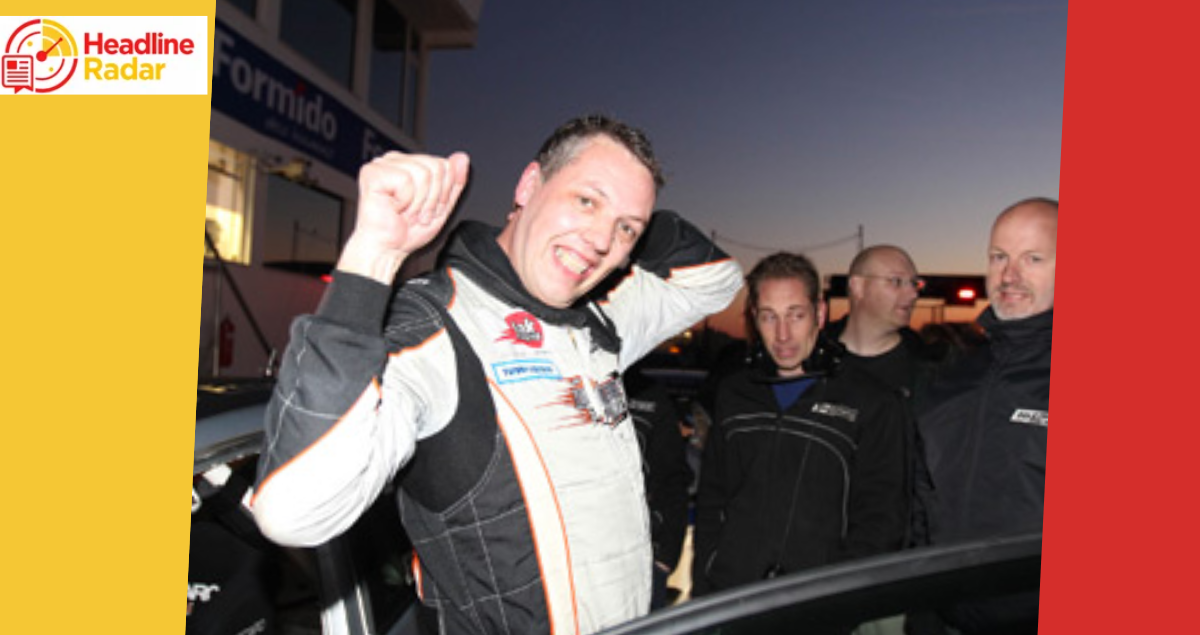
Jeroen Dik didn’t just build faster cars he got behind the wheel to see what they could do.
The Dutch automotive tuner is the founder and owner of JD Engineering, a performance shop in Lochem, Netherlands, that specializes in Volkswagen Group vehicles. After getting his start modifying cars in the 1990s, Dik built a reputation among Volkswagen and Audi enthusiasts before taking his technical know-how to the racetrack.
That crossover eventually paid off in a major way. In 2011, Dik won the Toerwagen Diesel Cup championship in a Volkswagen Golf 5 after narrowly missing the title the previous season.
His approach, however, has never been solely about producing the biggest horsepower number. Over the years, Dik has emphasized drivability, reliability and understanding how an engine behaves as a complete system a philosophy summed up by a magazine profile of his company with the headline, “Tuning is more than horsepower.”
Here’s everything to know about Jeroen Dik, his career with JD Engineering and his success in motorsport.
Jeroen Dik started tuning cars in the 1990s
Long before JD Engineering became an established tuning business, Dik was experimenting with performance cars himself.
According to the company’s official history, he began tuning vehicles in the 1990s and became particularly associated with Volkswagen’s G60 engines. One of the projects that helped establish his reputation was a Volkswagen Golf Mk1 fitted with a 16V G60 setup, which competed successfully in sprint events.
A 2009 Performance VW feature traced Dik’s reputation among Volkswagen enthusiasts back even further, recalling his appearance at GTI International in 1999 with the modified Golf. The car’s performance on the drag strip helped make both Dik and JD Engineering familiar names within the European VW tuning scene.
What began as an enthusiast’s pursuit eventually became a full-time operation.
He founded JD Engineering
Dik turned his interest in modifying cars into JD Engineering, which is based in Lochem.
The company specializes in vehicles from Volkswagen Group brands, including Volkswagen, Audi, SEAT and Škoda, as well as Porsche. Its work includes engine-management software, diagnostics and performance tuning tailored to individual engines and vehicle configurations.
As the company grew, so did its equipment.
A 2007 Auto & Tuning profile documented Dik’s investment in a larger workshop and a SuperFlow four-wheel-drive dynamometer, equipment that allowed the team to measure and develop performance changes under controlled conditions.
But Dik told the publication that the equipment alone wasn’t the point. He argued that properly tuning a car required considerably more than simply increasing turbo pressure and fuel delivery.
For him, how the car drove mattered as much as the number produced on a dyno.
He’s known for taking a measured approach to tuning
For someone whose career revolves around making cars more powerful, Dik has occasionally made an unusual argument: more isn’t necessarily better.
A 2013 profile of JD Engineering described that philosophy as a constant throughout his career, despite major changes in engine technology. Dik’s focus was on creating usable performance rather than chasing a maximum output figure at all costs.
That mindset showed up in his own Audi RS4.
After extensively modifying the car, Dik acknowledged that there was potentially additional power still available from the engine. But rather than continuing to pursue it, he decided the project had already achieved what he wanted: a more responsive and engaging driving experience.
His work on transmission behavior followed a similar philosophy. In another JD Engineering project, Dik explained that his team had reprogrammed the DSG transmission in an Audi S4 after customers complained about how quickly the factory software shifted into higher gears.
The goal wasn’t simply acceleration. It was making the entire car behave better.
He also became a racing driver
Dik eventually took his experience from the workshop to competitive motorsport.
In 2008, he and Simon Gras earned a Toerwagen Diesel Cup victory in a SEAT during the Wijzonol Trophy at Circuit Park Zandvoort. The pair had started 10th before moving through the field and holding off their Volkswagen rivals to win.
By 2010, Dik was competing in a Volkswagen Golf and emerging as a regular contender.
During the Hammerite Ultimate Races at Zandvoort that August, he won both races of the weekend. After defending the lead through a closely fought second race, Dik described it as his best victory up to that point.
But the championship remained just out of reach.
He narrowly missed one championship before winning in 2011
Dik came within a single point of winning the Toerwagen Diesel Cup championship in 2010.
Rather than ending his title pursuit, the near miss set up his breakthrough season the following year. JD Engineering’s account of the 2011 campaign noted that Dik reached the podium at least once during every race weekend while driving a Volkswagen Golf 5.
He also collected several victories along the way.
In June 2011, Dik started a race at Zandvoort in 10th place before working his way through the field and taking the lead late in the race. He called the result an unexpected “great comeback race.”
A few weeks later, he scored another victory at the Dutch Power Pack Festival, taking the lead during the opening lap and ultimately winning by more than five seconds.
By the season finale, Dik had built enough of a points advantage that he no longer needed to win every race.
He won the 2011 Toerwagen Diesel Cup championship
Dik arrived at the Formido Finaleraces at Circuit Park Zandvoort in October 2011 as the championship leader.
A second-place finish in the first race was enough to put the title beyond the reach of his competitors with one event still remaining.
“The championship is ours,” he said after securing it, adding that the result felt “super good.”
The title was especially meaningful after coming so close the previous year.
For Dik, racing also offered something beyond trophies. A later profile of JD Engineering noted that knowledge moved in both directions: lessons learned preparing street cars could be applied on the circuit, while racing provided information that could influence the company’s tuning work.
He has continued to run JD Engineering
Years after Dik first began modifying Volkswagen engines, JD Engineering remains based in Lochem and continues to specialize in Volkswagen Group vehicles. The company’s current website still identifies him as its owner and traces its beginnings to his tuning work in the 1990s.
The operation has expanded considerably since its early days. A later profile of the company’s workshop quoted Dik explaining that expansion wasn’t about making the business as large as possible; he wanted more space so the team could work in a more organized and efficient way.
That approach tracks closely with the philosophy he has described throughout his career: performance matters, but so do precision, control and how everything works together.
He keeps his personal life relatively private
Unlike his automotive work, Dik’s personal life has not been extensively documented in reliable public sources.
An older Performance VW profile referenced a wife while describing how closely Dik’s home and work lives were connected at the time, but detailed information about his family and current relationship status has not been consistently established in authoritative public reporting.
For that reason, claims circulating online about his age, wife, children or net worth should not be treated as established facts without stronger sourcing.
What is considerably better documented is the career he built: from a modified Volkswagen Golf and sprint competitions to a specialist tuning company and, eventually, a touring-car championship.
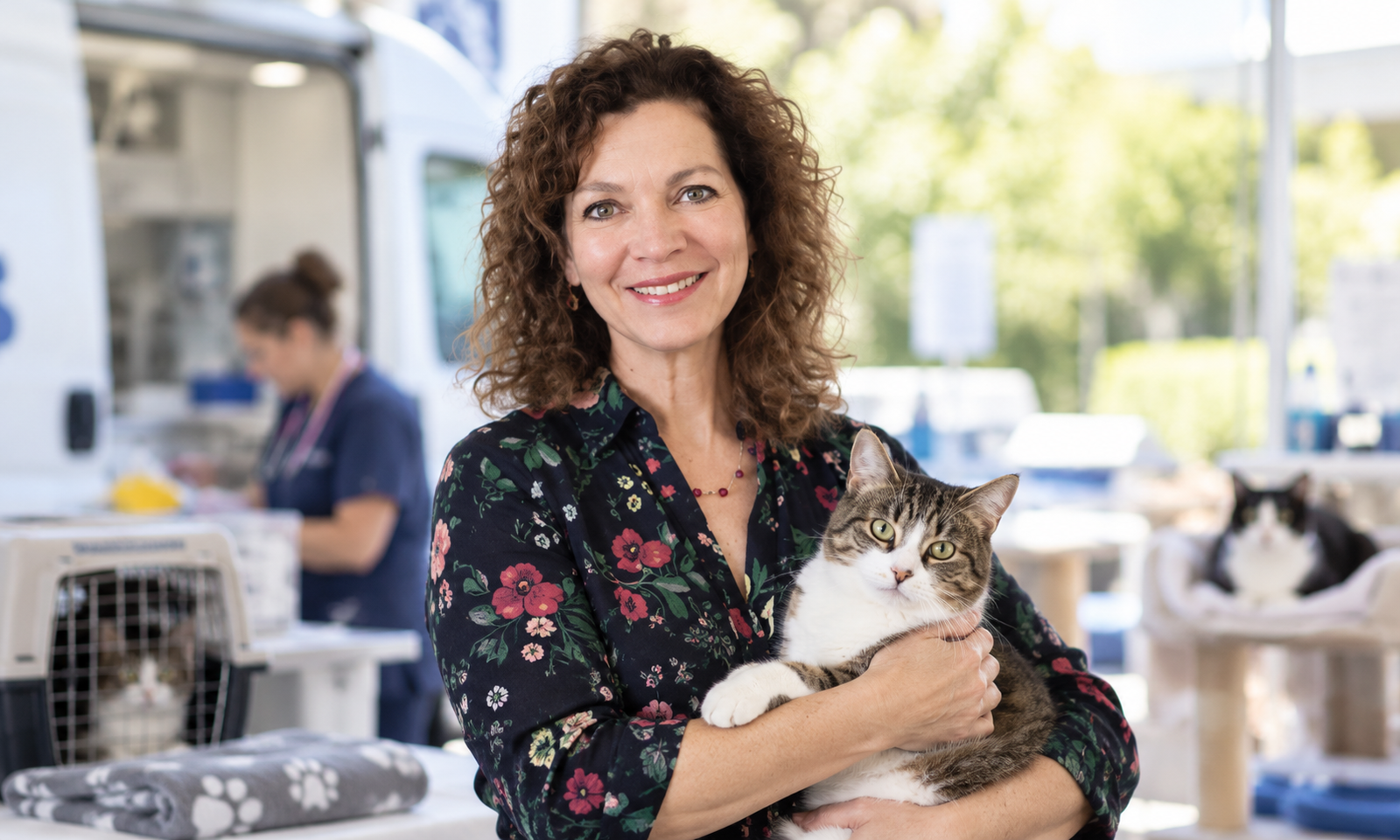
Donna Sicuranza is an American nonprofit leader known for her work in animal welfare. She serves as Executive Director of Tait’s Every Animal Matters (TEAM), a nonprofit group based in Westbrook, Connecticut. She helped launch a mobile veterinary clinic in 1997. Since then, TEAM has sterilized and vaccinated more than 225,000 cats.
Her work focuses on making cat care more affordable and helping prevent unwanted litters. She has also played a key role in managing TEAM’s programs. Her career includes writing, public relations, nonprofit leadership, and animal welfare.
Who Is Donna Sicuranza?
Donna Sicuranza is an American nonprofit executive who works with Tait’s Every Animal Matters. She is known for helping develop TEAM’s mobile feline clinic. The program offers spaying, neutering, and vaccinations for pet and feral cats across Connecticut.
Her professional records also use the names Donna J. Sicuranza and Donna Sicuranza Marconi. TEAM’s official website lists her as Donna Sicuranza Marconi, Executive Director. Her main work involves nonprofit management, public communication, and animal welfare programs.
In 1996, she worked with veterinarian Dr. John A. Caltabiano to plan TEAM’s mobile clinic. The clinic opened in March 1997. Since then, TEAM’s veterinary staff have sterilized and vaccinated more than 225,000 cats, according to the organization’s records.
Quick Bio
| Detail | Information |
|---|---|
| Full Name | Donna Sicuranza |
| Other Professional Name | Donna Sicuranza Marconi |
| Profession | Nonprofit Executive |
| Known For | Animal welfare and TEAM leadership |
| Current Position | Executive Director |
| Organization | Tait’s Every Animal Matters (TEAM) |
| Professional Location | Westbrook, Connecticut, USA |
| Main Field | Animal welfare and nonprofit management |
| Main Program | TEAM Mobile Feline Spay/Neuter Clinic |
| Program Planning Year | 1996 |
| Clinic Launch Date | March 1, 1997 |
| Key Collaborator | Dr. John A. Caltabiano |
| Documented Relationship | Longtime partner of John A. Caltabiano |
| Partner’s Death | November 6, 2009 |
| Main Services | Spaying, neutering, and vaccinations |
| Cats Treated | More than 225,000, reported by TEAM |
| Major Milestone | 200,000th sterilization surgery in February 2019 |
| Newsletter Work | Editor of TEAMWORKS in 2019 |
| Community Program | TEAM Incentive Program (TIP) |
| TIP Started | 2014 |
| Government Program Involvement | Connecticut Animal Population Control Program working group, 2019 |
| Current Professional Status | Listed as TEAM Executive Director in 2026 |
Donna Sicuranza’s Early Life and Education
Donna Sicuranza has spent much of her professional life working in Westbrook, Connecticut. However, public records provide little information about her childhood, birthplace, or parents. Her exact birth date and age are also not confirmed.
Professional profiles list Fairfield University and Trinity College-Hartford as her educational institutions. The reported study periods are 1978–1982 and 1989–1992. Some biographies mention studies in English Language and Literature, but her exact degrees have not been confirmed.
Her reported studies relate to writing and communication. These subjects are also connected to her early career in editing and public relations. She later worked on TEAM’s newsletters and public updates.
Donna Sicuranza’s Career Before Animal Welfare
Before joining TEAM’s animal welfare work, Donna Sicuranza reportedly worked as a freelance writer, editor, and public relations professional. Career listings place this work between 1983 and 1997. Her tasks included preparing written content, editing documents, and helping organizations communicate with the public.
Her writing experience was also useful during her later work at TEAM. The nonprofit shares news about its clinics, services, and animal care programs through public updates and newsletters. These materials help supporters learn about the organization’s work.
TEAM’s summer 2019 TEAMWORKS newsletter lists Donna as its editor. The publication included clinic updates, stories about rescued cats, and information for donors. It also covered the organization’s 200,000th spay/neuter surgery.
How Donna Sicuranza Became Involved With TEAM
Donna Sicuranza became involved with Tait’s Every Animal Matters during the planning of its mobile veterinary clinic in the 1990s. TEAM is a nonprofit animal welfare group based in Westbrook, Connecticut. Its main work focuses on affordable veterinary care and preventing unwanted cat births.
The organization received early financial support from the estate of Vernon A. Tait, a Connecticut businessman and animal lover. His gift helped support TEAM’s animal care programs. The nonprofit also receives public donations to help fund its services.
In 1996, Donna worked with Dr. John A. Caltabiano, a veterinarian from Old Lyme, Connecticut. They planned a mobile clinic that would provide spaying, neutering, and vaccinations in different communities. Caltabiano served as TEAM’s president, while Donna worked as Executive Director.
The clinic was designed for cat owners and caretakers who needed affordable veterinary care. It also helped people caring for stray and feral cats. By visiting different towns, TEAM made these services available closer to local communities.
Donna Sicuranza and the Launch of TEAM’s Mobile Clinic
TEAM’s Mobile Feline Spay/Neuter Clinic opened on March 1, 1997. The clinic used a specially equipped vehicle to provide veterinary services across Connecticut. It traveled to scheduled locations where cat owners could bring their animals for treatment.
The clinic’s main services included spaying, neutering, and vaccinations. Spaying and neutering prevent cats from having unwanted litters. These procedures also help reduce the number of cats needing homes or shelter care.
The program grew quickly after opening. According to TEAM’s history, around 5,000 cats were sterilized during the first six months. By the clinic’s first anniversary, that number had reached 8,000. Due to growing demand, TEAM replaced its original vehicle with a larger one after about a year.
Some veterinarians first raised concerns about performing surgery inside a mobile clinic. However, TEAM continued its services and expanded its reach. Its mobile clinic later became a model for similar veterinary programs in other states.
Donna Sicuranza’s Role as Executive Director
Donna Sicuranza serves as Executive Director of TEAM. Her position focuses on managing the nonprofit and supporting its animal welfare programs. She is not a veterinarian. TEAM’s trained veterinary staff perform medical checks, vaccinations, and surgeries.
Running a mobile clinic requires careful planning. TEAM must arrange appointments, schedule visits, maintain equipment, and manage staff. The organization also needs funding to keep its services affordable. These tasks involve both office workers and veterinary professionals.
Donna has also worked on the organization’s public communication. She edited TEAM’s newsletter and shared updates about its animal care work. In the summer 2019 issue, she recognized the efforts of veterinary staff, office workers, donors, maintenance crews, and cat caretakers.
TEAM’s staff directory lists Art Heller, DVM, as Medical Director and Lacey J. Raymond as Program Coordinator. Dina Sicuranza and Susan King are listed as veterinary technicians. These team members support the clinic’s medical and daily operations.
As of 2026, TEAM lists Donna Sicuranza Marconi as Executive Director. Her documented involvement with the organization dates back to the clinic’s planning in 1996. She remains connected to TEAM’s work in providing affordable veterinary care for cats across Connecticut.
TEAM’s Veterinary Services and Animal Welfare Programs
Tait’s Every Animal Matters provides low-cost veterinary care for cats across Connecticut. Its mobile clinic offers spaying, neutering, vaccinations, and basic health care. These services are for both pet cats and feral cats. The main goal is to prevent unwanted litters and keep cats healthy.
TEAM’s spay and neuter package includes rabies and distemper vaccines. It also covers nail trimming and ear mite treatment when needed. The group offers kitten care, flea treatment, and parasite control. Its listed surgery package costs $245, but extra fees may apply.
Cats must be at least five months old for surgery. Older cats or those with health issues may need extra checks. The mobile clinic visits towns such as Middletown, Enfield, Torrington, Vernon, and Waterford. Cat owners can contact TEAM to book an appointment.
TEAM also helps people who care for feral cats. These cats live outdoors and often avoid people. The group supports Trap-Neuter-Return (TNR), a method in which cats are trapped, sterilized, and returned to their outdoor homes. This helps control the number of cats living in an area.
Donna Sicuranza’s Contributions to Cat Welfare
Donna Sicuranza has worked with TEAM since the 1990s. She helped develop its mobile veterinary clinic and has served in its leadership. The clinic brings low-cost cat care to towns across Connecticut. Its services help prevent unwanted cat births and support better animal health.
TEAM reached an important milestone in February 2019. The group completed its 200,000th spay or neuter surgery. The cat was Calypso, a rescued calico treated in Torrington on February 4, 2019. TEAM shared her story in its summer 2019 newsletter.
The organization now reports that it has sterilized and vaccinated more than 225,000 cats since 1997. This total includes pet cats and feral cats treated by its veterinary teams. Licensed veterinarians perform the medical work, while Donna helps lead the nonprofit.
Donna has also worked on TEAM’s public updates and newsletters. These share information about clinic services, animal care, and the group’s work. They help cat owners, caretakers, and donors learn about its programs.
Donna Sicuranza and Dr. John A. Caltabiano
Dr. John A. Caltabiano was a veterinarian who helped create TEAM’s mobile clinic. He earned his veterinary degree from Iowa State University and started a mobile veterinary practice in 1980. His work included animal treatment and programs to prevent unwanted animal births.
Caltabiano and Donna Sicuranza worked together to plan TEAM’s clinic in 1996. He served as the group’s president and provided medical knowledge. Donna handled executive leadership. Their work helped bring the mobile clinic into service in March 1997.
They also had a personal relationship. Connecticut Department of Agriculture records described Donna as Caltabiano’s longtime partner. He died on November 6, 2009, at age 55. After his death, Donna continued her work with TEAM and remained linked to his FeralStat project.
FeralStat was an experimental birth control treatment for cats developed by Caltabiano. It explored a way to prevent breeding without surgery, mainly among feral cats. The project appeared in Connecticut agriculture records. It was separate from TEAM’s regular spay and neuter services.
Donna Sicuranza’s Work in Connecticut Animal Welfare
Donna Sicuranza has also taken part in animal welfare discussions in Connecticut. In 2019, she attended meetings of the state’s Animal Population Control Program Working Group. Records show that she joined meetings on June 27 and August 15 as a TEAM representative.
The group discussed animal care costs, funding, and ways to improve population control programs. Donna took part as a nonprofit representative, not a government official. These meetings allowed TEAM to share its experience with other people working in animal care.
TEAM also runs the TEAM Incentive Program (TIP). It began in 2014 to help people who bring feral cats to the clinic for surgery. Eligible caretakers can receive a partial refund after meeting the program’s rules. By 2019, more than 320 feral cats had received help through TIP.
Donna shared the story of a feral cat named Sobie in TEAM’s 2019 newsletter. Sobie often came to her farm for food and shelter. She planned to trap him so he could be neutered, but he was hit by a car before she could do so. His story helped inspire the incentive program.
TEAM also provides humane traps to help people bring feral cats for treatment. Cats in the program must meet certain rules before being returned to their outdoor homes. These services help caretakers prevent unwanted litters.
Donna Sicuranza’s Personal Life and Family
Donna Sicuranza’s public records provide little information about her family. Most details focus on her work with TEAM. Her exact birth date, age, parents, and children have not been confirmed through reliable sources.
Her best-documented personal relationship was with Dr. John A. Caltabiano. Connecticut agriculture records described him as her longtime partner before his death in 2009. TEAM now lists her as Donna Sicuranza Marconi. However, available records do not clearly confirm her current marital status or explain the surname Marconi.
Some online records mention Robert Sicuranza, Marlene Sicuranza, and Dina Sicuranza. TEAM lists Dina as a senior veterinary technician. However, the available records do not confirm how these people are related to Donna. A shared surname does not prove a family relationship.
Donna Sicuranza is also sometimes confused with Donna Marie Sicuranza of New York. Donna Marie was born on March 24, 1942, and died on March 10, 2017. She worked at the Bank of New York and was married to Angelo Sicuranza. She had three daughters and ten grandchildren. These details belong to a different woman, not TEAM’s executive director.
Where Is Donna Sicuranza Now?
As of October 2026, Donna Sicuranza Marconi is listed as Executive Director of Tait’s Every Animal Matters. The nonprofit is based in Westbrook, Connecticut. It continues to provide low-cost spaying, neutering, and vaccinations through its mobile clinic.
TEAM visits different Connecticut towns to provide cat care. Its veterinary staff perform medical procedures, while office staff manage appointments and daily tasks. The group also relies on donations and public support to keep its services running.
Donna has been involved with TEAM since the planning of its mobile clinic in 1996. She helped develop the program, worked as Executive Director, edited newsletters, and took part in animal welfare meetings. Her work has remained linked to TEAM for nearly 30 years.
Today, TEAM reports that its veterinary teams have treated more than 225,000 cats since 1997. Donna Sicuranza helped establish and lead the nonprofit behind this work. Her main contribution is supporting a mobile clinic that provides affordable veterinary care to cats across Connecticut.
Interesting Facts
- Donna Sicuranza helped develop TEAM’s mobile feline clinic in 1996.
- She worked with veterinarian Dr. John A. Caltabiano to launch the clinic on March 1, 1997.
- TEAM’s veterinary staff have sterilized and vaccinated more than 225,000 cats since 1997.
- She is listed as Executive Director under the professional name Donna Sicuranza Marconi.
- She served as editor of TEAM’s TEAMWORKS newsletter in 2019.
- She helped share the story of Sobie, a feral cat that inspired TEAM’s Incentive Program.
- She attended Connecticut Animal Population Control Program meetings in June and August 2019.
- Dr. John A. Caltabiano was her longtime partner before his death on November 6, 2009.
- TEAM completed its 200,000th sterilization surgery on a rescued cat named Calypso in February 2019.
- Her documented work with TEAM spans nearly 30 years.
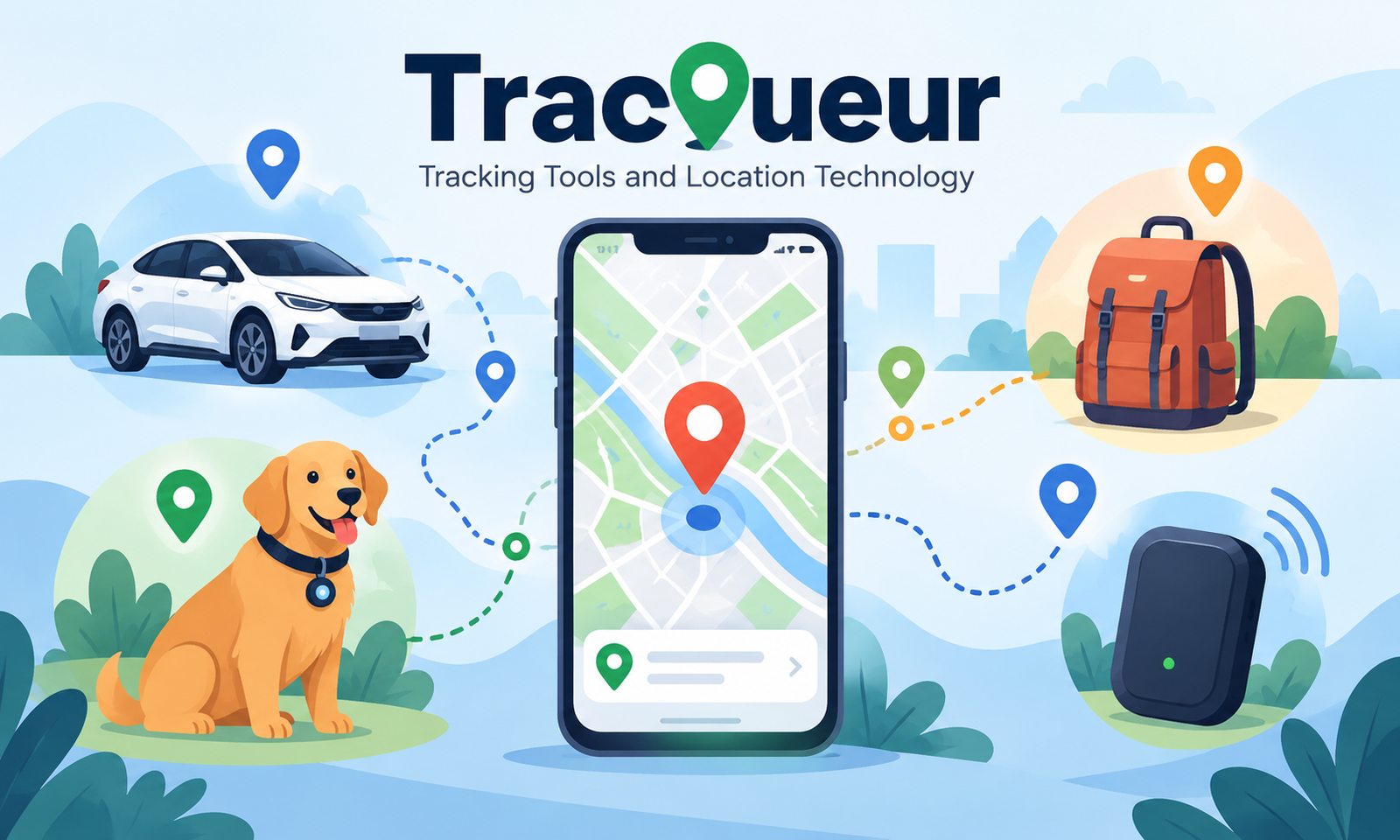
A Tracqueur is a tool used to find, follow, or record the location of a person, vehicle, animal, or object. It may be a small tracking device, a mobile app, a wearable tool, or a larger tracking system.
The word is often linked with the French word “traqueur,” which refers to someone or something that tracks or searches for a target. “Tracqueur” is not the standard French spelling, and it does not describe one single product or company.
Today, tracking tools are used for cars, pets, luggage, phones, business assets, and many other items. Some work with GPS satellites. Others use Bluetooth, Wi-Fi, or mobile networks.
This guide explains what Tracqueur means, how tracking tools work, their main types, common uses, benefits, limits, and important privacy rules.
What Is a Tracqueur?
A Tracqueur is a general name for a device or system that tracks location or movement.
For example, a GPS tracker inside a car can show where the vehicle is. A Bluetooth tag can help someone find lost keys. A small tracker on a pet collar can help locate a missing dog or cat.
The term can also refer to software that records movement or location data. However, Tracqueur should not be treated as the official name of one standard tracking technology.
Different trackers use different systems based on their purpose.
How Does a Tracqueur Work?
Most tracking tools collect a signal that helps work out a location.
A GPS tracker receives signals from satellites. It uses those signals to estimate its position. The device may then send that location to an app or online account.
Some trackers also use mobile networks. This lets them send location data over long distances.
Bluetooth trackers work differently. They normally communicate with nearby phones or other devices. Because Bluetooth has a shorter range, these trackers are often used for keys, wallets, bags, and other small items.
Wi-Fi and other wireless systems may also help improve location information in some devices.
Main Types of Tracqueur
There are several common types of tracking tools.
| Type | Main Use |
|---|---|
| GPS tracker | Cars, pets, people, equipment, and outdoor tracking |
| Bluetooth tracker | Keys, wallets, bags, and small personal items |
| Vehicle tracker | Cars, motorcycles, trucks, and company fleets |
| Pet tracker | Dogs, cats, and other animals |
| Personal tracker | Safety devices and approved location sharing |
| Asset tracker | Business equipment, tools, containers, and goods |
| Wearable tracker | Location, movement, exercise, or activity |
| Smartphone tracking | Finding a phone or sharing location with permission |
The best type depends on the distance, battery life, accuracy, and type of item being tracked.
GPS Tracqueur for Vehicles
Vehicle tracking is one of the most common uses of this technology.
A GPS vehicle tracker can record the location of a car, truck, motorcycle, or other vehicle. Some systems can also record speed, routes, travel time, and stopping points.
Businesses often use vehicle tracking for fleet management. It can help them see where company vehicles are and review delivery routes.
Private vehicle owners may also use approved trackers to locate their own cars or motorcycles.
Vehicle tracking should always follow local privacy laws and workplace rules.
Tracqueur for Pets
Pet trackers are useful for animals that spend time outdoors.
A tracker can be attached to a collar. The owner can then check the pet’s location through an app or another connected device.
GPS pet trackers are better for longer distances. Bluetooth trackers may work well when the animal is nearby.
Battery life is important. A pet tracker should also be light, strong, and comfortable for the animal.
Water resistance can be useful for pets that spend time outside.
Tracqueur for Personal Items
Small trackers are often used for everyday belongings.
A person may attach one to:
- Keys
- Backpacks
- Luggage
- Wallets
- Bicycles
- Cameras
- Work equipment
Bluetooth tags are popular for this purpose because they are small and easy to carry.
These trackers can help users locate items that they own. They should not be secretly placed in another person’s belongings.
Personal Location Tracking
Tracking technology can also be used for personal safety.
Families may use location-sharing features with the knowledge and agreement of everyone involved. Some safety devices are also designed for children, older adults, hikers, and people working alone.
Consent is important.
A tracking device should not be used to secretly follow another person. Location data can reveal where someone lives, works, travels, or spends time.
Tracking a person without permission may also break privacy or stalking laws depending on the country or region.
Important Features of a Tracqueur
Tracking devices can have different features.
One important feature is live location tracking. This can show the current position of a device.
Another feature is location history. It records where the tracker has been during a set period.
Some devices also support geofencing. A geofence is a virtual area on a map. The system may send an alert when an approved tracker enters or leaves that area.
Battery alerts can tell the user when the device needs charging.
Some trackers may also include movement alerts, speed information, emergency buttons, or water resistance.
Not every device offers the same features.
GPS vs Bluetooth Tracqueur
GPS and Bluetooth trackers serve different needs.
GPS is usually better when something may travel far away. It can be useful for vehicles, pets, equipment, and outdoor activities.
Bluetooth is normally better for nearby objects. It uses less power and can work well for keys, wallets, and bags.
GPS trackers may need a SIM card, mobile connection, or paid service plan.
Bluetooth tags often have lower running costs, but their direct connection range is shorter.
The right choice depends on what needs to be tracked.
Benefits of Using a Tracqueur
A Tracqueur can make it easier to find important belongings.
It may also help companies manage vehicles and equipment. Pet owners can use trackers to find animals that move away from home.
Tracking systems can also provide useful records. For example, a business may review approved vehicle routes or equipment movements.
The main benefit is access to location information when it is needed.
However, tracking tools do not guarantee that a lost or stolen item will always be recovered.
Limits of Tracking Technology
Tracking devices have limits.
GPS signals can become weaker inside buildings, tunnels, underground parking areas, or places surrounded by large structures.
Bluetooth trackers have a limited direct range.
Batteries can also run out. Some devices need regular charging, while others use replaceable batteries.
Mobile-based trackers may stop sending new data if there is poor network coverage.
Location information may also be slightly delayed or less accurate in some situations.
Users should understand these limits before depending on a tracker.
Tracqueur Privacy and Safety
Privacy is one of the most important issues linked with tracking tools.
People should know when their location is being shared unless there is a clear legal reason that applies in their area.
Major phone platforms have also added tools to warn people about unknown Bluetooth trackers that may be moving with them.
For example, Android provides unknown tracker alerts for compatible devices. Google says these alerts can help users find trackers that may have been placed near them or in their belongings without their knowledge or consent.
If an unknown tracker alert appears, users can follow their phone manufacturer’s safety instructions. If they feel at risk, they should move to a safe place and contact a trusted person or local authorities.
How to Choose the Right Tracqueur
Start by deciding what you want to track.
For a vehicle or pet that may travel long distances, GPS may be the better choice.
For keys or a wallet, a small Bluetooth tracker may be enough.
Check the expected battery life. Also look at the tracking range, size, water resistance, mobile app support, and subscription costs.
Privacy features are also important.
Choose a product from a trusted manufacturer that explains how location data is collected, stored, and shared.
Does Every Tracqueur Need the Internet?
No.
Some trackers can collect or detect location without a normal internet connection.
A GPS receiver can receive satellite signals without using mobile internet. However, a tracker may still need cellular data or another network to send its location to a phone or remote server.
Bluetooth trackers depend mainly on nearby compatible devices.
The exact connection method depends on the tracker.
Is a Tracqueur the Same as a GPS Tracker?
Not always.
A GPS tracker is one type of tracking tool.
The broader idea of a Tracqueur can also include Bluetooth tags, vehicle tracking systems, pet trackers, wearable devices, and other location tools.
This means every GPS tracker may fit the general tracking idea, but not every tracker uses GPS.
Final Thoughts
A Tracqueur is best understood as a general tracking tool rather than one specific device or brand. It can help find or monitor the location of a vehicle, pet, personal item, equipment, or another approved target.
Modern trackers may use GPS, Bluetooth, mobile networks, Wi-Fi, or a mix of these systems. Each type has its own range, battery needs, cost, and level of accuracy.
Tracking technology can be very useful when it is used responsibly. Users should protect location data, respect consent, and follow local privacy laws whenever people are involved.
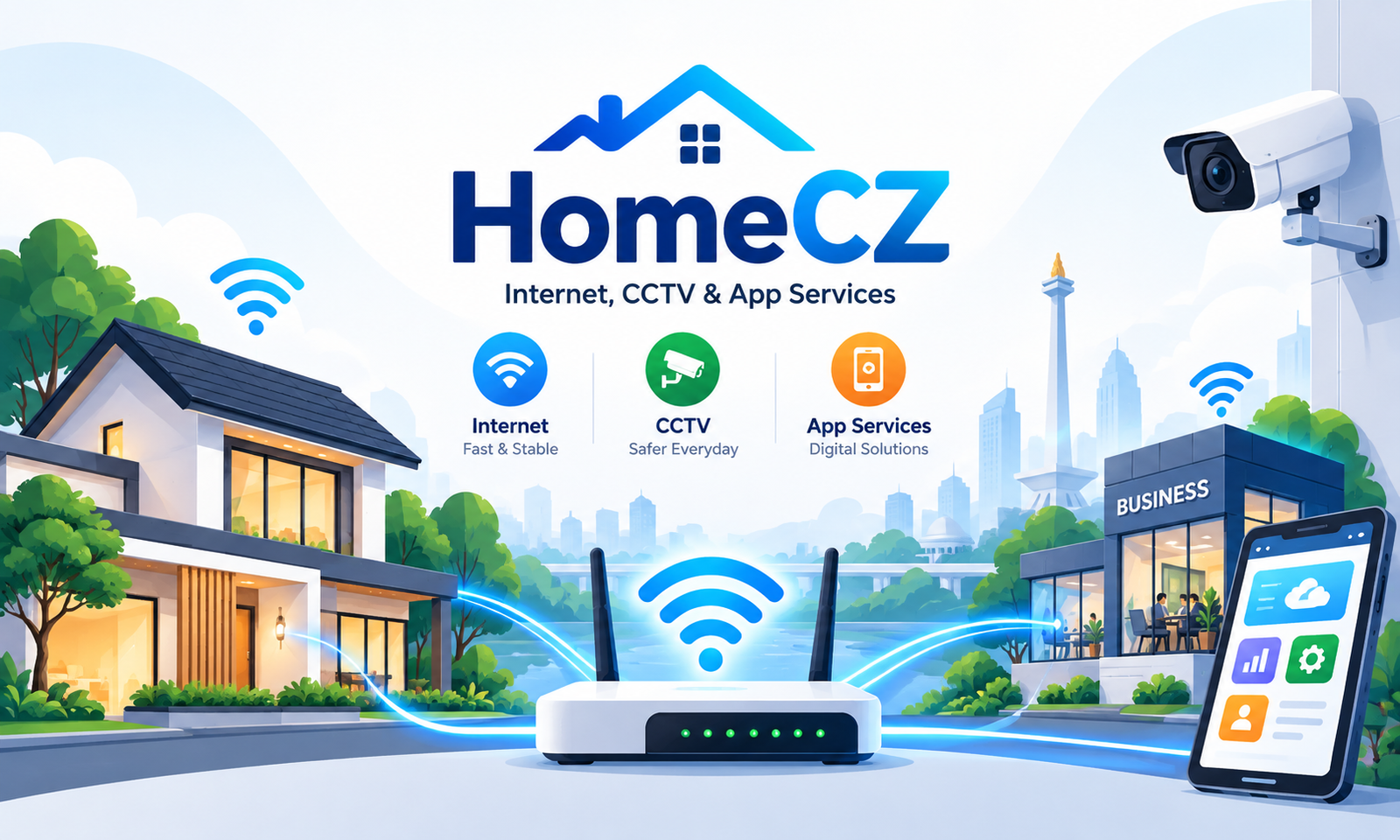
HomeCZ is the public name used by CV. Home Connection Z Group. It is an internet and digital services business in Indonesia. The company calls itself an Internet Resale Services provider. It offers internet service, CCTV setup, and app development.
HomeCZ serves homes and businesses. Its main services focus on internet access, security, and digital tools. The company is based in the Babelan area of Bekasi, Indonesia.
What Is HomeCZ?
HomeCZ is the name linked to CV. Home Connection Z Group. It is not the same as other websites that use the word “HomeCZ” for smart homes, design, or property services.
The official HomeCZ website lists internet, CCTV, and app services. These services are made for home and business users.
HomeCZ is not only an internet provider. Customers can also use its CCTV and app development services.
HomeCZ Internet Services
Internet service is one of the main HomeCZ services.
The company says its internet can be used for work, study, and entertainment. It says the service is made for homes and offices.
HomeCZ says its internet can work with common devices. These include computers, phones, smart TVs, and other connected devices.
The service may be useful for homes with many devices. It may also help small offices with daily online work.
The public website does not show clear details about speeds, monthly plans, data limits, or prices. Customers should ask HomeCZ for current plan details before signing up.
How HomeCZ Installs Internet
HomeCZ explains its internet setup in a few steps.
The first step is a location survey. Technicians check network coverage and the needs of the site.
The next step is installation. The team sets up the needed equipment at the property.
After that, the network is turned on and tested. This helps make sure the connection works before regular use.
The survey is important because internet service may not be available in every area.
HomeCZ CCTV Installation
HomeCZ also offers CCTV installation.
The service is available for homes and businesses. The company says its CCTV systems can support real-time viewing.
CCTV can be used in many places. A homeowner may place cameras near doors or outside areas. A shop may use cameras near the counter, entrance, storage room, or parking area.
Offices may also use CCTV to watch key areas.
The website does not list full details about each CCTV system. It does not clearly show camera quality, storage size, night vision, cloud access, or equipment brands. Customers should ask for these details before installation.
Application Development by HomeCZ
HomeCZ also lists app development as a service.
The company says it can build modern and responsive apps. These apps may be made for business or personal use.
This makes HomeCZ more than a basic internet provider.
A business may use an app to manage customers, records, orders, or services. The exact features depend on the project.
The website does not list its full tech stack, prices, delivery time, or full software portfolio. Customers should ask the development team for these details.
One Provider for Connectivity and Digital Services
HomeCZ offers several digital services in one place.
Internet, CCTV, and apps are different services. But they can also work together.
For example, an online CCTV system may need internet for remote viewing. A web-based business app also needs a stable connection. Offices may use both internet and security systems.
HomeCZ presents these as connected digital services for homes and businesses. Its website lists internet, CCTV, and app development as its main services.
This may help customers who want more than one tech service from the same provider.
HomeCZ for Homes
Homes now use internet for many daily tasks.
People use it for messages, study, work, streaming, gaming, and smart devices.
HomeCZ says its internet can work with computers, phones, smart TVs, and other home devices.
Its CCTV service also gives customers a home security option.
A household may be able to get both internet and CCTV setup from the same company.
Service availability depends on the location and technical needs of the property.
HomeCZ for Businesses
HomeCZ also offers services for businesses.
Businesses need internet for many daily tasks. Staff may use email, video calls, cloud tools, online payments, and web systems.
CCTV can help monitor business areas.
App development may help businesses that need custom digital tools.
HomeCZ covers three main areas for businesses: internet, CCTV, and software.
The website does not show full details about business plans or technical packages. Customers should ask the company about the exact service they need.
Where Is HomeCZ Located?
The official website lists CV. Home Connection Z Group in the Babelan area of Bekasi Utara, Indonesia.
Its address is on Jl. Pertamina in Kampung Tambun Siran, Desa Buni Bakti, Kecamatan Babelan.
The website also lists a WhatsApp number and a customer service email.
Its listed contact hours are Monday to Friday, 09:00 to 18:00 WIB.
People who want internet service should first ask if HomeCZ covers their area.
Registering for HomeCZ Internet
HomeCZ offers online registration for internet customers.
Customers are asked to create an account first. The company says this helps store and check customer details.
After registration, a location survey helps the company plan the setup.
Customers should ask about setup fees, monthly costs, equipment fees, internet speed, support, contract terms, and data limits before ordering.
These details are important because the website does not show a full list of plans.
What to Check Before Choosing HomeCZ
Customers should check the main service details before choosing HomeCZ.
For internet, ask about download speed, upload speed, monthly price, setup cost, router details, coverage, support, and data limits.
For CCTV, ask about camera quality, storage, remote access, warranty, care, and video security.
For app development, ask about project cost, features, source code, hosting, security, support, delivery time, and updates.
Clear service details can help customers compare HomeCZ with other local providers.
Why There Is Confusion Around the HomeCZ Name
The name “HomeCZ” can be confusing online.
Some websites use the same word for smart homes, property, design, or technology topics. These pages should not be treated as information about CV. Home Connection Z Group.
The official HomeCZ website gives clearer details about the business.
It identifies the company as CV. Home Connection Z Group. Its main services are internet resale, CCTV installation, and app development.
The official website does not describe HomeCZ as a smart-home idea, design brand, or Czech property company.
This helps separate the real business from other uses of the name.
Final Thoughts on HomeCZ
HomeCZ is the name used by CV. Home Connection Z Group. It is an Indonesia-based business that offers internet, CCTV, and app development services.
Its services are made for homes and businesses. The company says its internet works with common devices and daily online tasks. It also offers CCTV setup and custom app development.
HomeCZ is based in the Babelan area of Bekasi. The website does not clearly list current internet plans, exact speeds, CCTV models, or app development prices.
Customers should check coverage, prices, equipment, and support directly with CV. Home Connection Z Group before signing up.

The Princes of Eilean Aigas: A Forgery, the Crawford Tartan, and the Right Green Socks

TechTrendery.com: Everything You Need to Know About This Website

Donna Sicuranza: Her Role at TEAM and Contributions to Animal Welfare

Nancy Simon: Meet Neil Simon’s Daughter and Woody Harrelson’s Ex Wife

Who Was Russell Derek? Inside The Life of John Derek’s Son

Who is Kassidy Duhamel? All About the Life of Josh Duhamel’s Sister
-
 Celebrity1 month ago
Nancy Simon: Meet Neil Simon’s Daughter and Woody Harrelson’s Ex Wife
-
 Biographies4 months ago
Who Was Russell Derek? Inside The Life of John Derek’s Son
-
 Biographies3 months ago
Who is Kassidy Duhamel? All About the Life of Josh Duhamel’s Sister
-

 Biographies3 months ago
Steven Fleischmann: Inside the Love Story of Erin Moran and Her Husband
-

 Biographies4 months ago
Caleb Michael Jackson: The Untold Story of Lisa Vultaggio and Jonathan Jackson’s Son
-

 Biographies4 months ago
Micah Emmanuel Lanfer: All About the Life of Sarah Drew and Peter Lanfer’s Son
-

 Biographies3 months ago
Mackenzie Stiles: The Real Story of Ryan Stiles’ Daughter
-

 Biographies4 months ago
Who is Bear Beghe? All About the Life of Jason Beghe’s Son
Pingback: Fernando Marrero: From MMA Champion to Happy Gilmore 2 Star - Headline Radar
Pingback: Nionenad Explained: Website, Content, and NIO Connection - Headline Radar