
Home Improvement
Protect Your Trees Before Pests Take Over


Healthy trees do more than boost curb appeal. They cool your yard in summer, clean the air, and add real value to your property. But when pests move in, that value can disappear fast. A single untreated infestation can turn a thriving oak or maple into a safety hazard within a season.
Tree pests don’t announce themselves. They work quietly, chewing through bark, draining sap, and weakening root systems long before you notice wilting leaves or peeling bark. By the time visible damage appears, the infestation has often spread to nearby trees, putting your entire landscape at risk.
The good news is that early detection and the right treatment plan can save your trees, your wallet, and your weekends spent worrying about falling limbs. This guide walks through the most common tree pests, how to spot them, and why professional care makes all the difference.
What Are the Most Common Tree Pests Homeowners Deal With?
Different regions face different threats, but a handful of pests cause the bulk of tree damage across the country.
Emerald ash borers target ash trees specifically, tunneling under bark and cutting off nutrient flow. Once established, they can kill a mature ash tree within two to four years.
Bark beetles bore into stressed or weakened trees, particularly pines and other conifers. Drought-stressed trees are especially vulnerable since they can’t produce enough sap to push the beetles out.
Aphids are smaller but no less damaging over time. They cluster on leaves and stems, sucking out sap and leaving behind a sticky residue called honeydew, which often attracts mold.
Spider mites thrive in hot, dry conditions and cause leaves to turn yellow, bronze, or speckled before dropping prematurely.
Scale insects attach themselves to branches and trunks, forming a protective shell while they feed, which makes them notoriously hard to spot and even harder to remove without the right approach.
How Can You Tell If Your Tree Has a Pest Problem?
Trees rarely show obvious signs until an infestation is already underway. Watching for early warning signals gives you a better chance of saving the tree.
Visible Bark Damage
Small holes, cracks, or sawdust-like material (called frass) near the base of the trunk often point to boring insects working beneath the surface.
Discolored or Thinning Leaves
Leaves that yellow out of season, curl, or drop early are a strong indicator that something is draining the tree’s resources from the inside.
Unusual Growths or Sticky Residue
Sap oozing from the bark, sticky honeydew on leaves, or small bumps along branches can all signal an active infestation.
Dieback in the Canopy
When branches at the top of the tree start dying while the rest looks healthy, it often means pests have disrupted the tree’s ability to move water and nutrients upward.
If you notice any of these signs, waiting rarely helps. Pests multiply quickly, and the longer an infestation goes untreated, the more expensive and difficult it becomes to manage.
Why Do Some Trees Attract Pests More Than Others?
Not every tree is equally at risk. Pests gravitate toward trees that are already under stress, whether from drought, poor soil, improper pruning, or storm damage. A tree with a healthy root system and strong canopy is naturally more resistant, since it can produce the sap and chemical defenses needed to fend off invaders.
Species also play a role. Ash trees are magnets for emerald ash borers. Pines and spruces are frequent targets for bark beetles. And ornamental trees with soft bark, like birches and maples, tend to attract aphids and scale insects more readily than tougher hardwoods.
Soil quality matters too. Compacted soil limits root growth and oxygen flow, which stresses the tree over time and makes it an easier target. Trees planted too close to pavement or structures often face this exact problem.
When Should You Call a Professional Instead of Treating It Yourself?
DIY sprays and store-bought treatments can work for minor, surface-level issues. But once an infestation reaches the trunk, roots, or canopy of a mature tree, over-the-counter products rarely reach deep enough to solve the problem.
Professional treatment plans typically involve a closer inspection to identify the exact pest species, since misidentifying the problem often leads to the wrong treatment and wasted time. Arborists also have access to targeted treatments, including systemic injections and soil-based applications, that reach pests DIY sprays simply can’t touch. Timing matters as well. Many pests have specific life cycles, and treating at the wrong stage can mean the difference between stopping an infestation and watching it spread further.
Saving your trees from long-term damage starts with scheduling a tree pest treatment plan that catches problems before they spread. At Arborwright Tree Care, our certified arborists inspect every tree on your property, identify the exact pest at play, and apply a treatment plan suited to your trees and your region’s climate. Rather than guessing at a solution, you get a strategy built around what’s actually happening beneath the bark.
We also focus on long-term tree health, not just short-term fixes. That means monitoring soil conditions, recommending proper watering and pruning practices, and following up to make sure treatments are working the way they should.
Give Your Trees the Protection They Deserve
Pest infestations rarely resolve on their own, and waiting too long often turns a manageable problem into a costly removal. Keeping an eye out for early warning signs, understanding which trees in your yard are most vulnerable, and knowing when to call in professional help can save you significant time, money, and heartache down the road.
Arborwright Tree Care has helped homeowners across the region protect their trees from infestations big and small. If you’ve noticed any warning signs in your yard, or simply want peace of mind before pest season hits, reach out to our team today. A healthy tree is easier to maintain than a dying one, and the best time to act is before the damage is done.
Frequently Asked Questions
How quickly can tree pests kill a tree?
It depends on the pest and the tree’s health, but some infestations, like emerald ash borer, can kill a mature tree within two to four years if left untreated.
Is it too late to treat a tree once I see dieback in the canopy?
Not necessarily. Canopy dieback often means the infestation has progressed, but many trees can still recover with prompt, targeted treatment.
How often should trees be inspected for pests?
An annual inspection is generally enough for healthy trees, though trees already showing stress or located in high-risk areas benefit from more frequent checks.
Can I prevent pest infestations before they start?
Yes. Regular watering, proper pruning, and healthy soil all strengthen a tree’s natural defenses, making it far less attractive to pests in the first place.
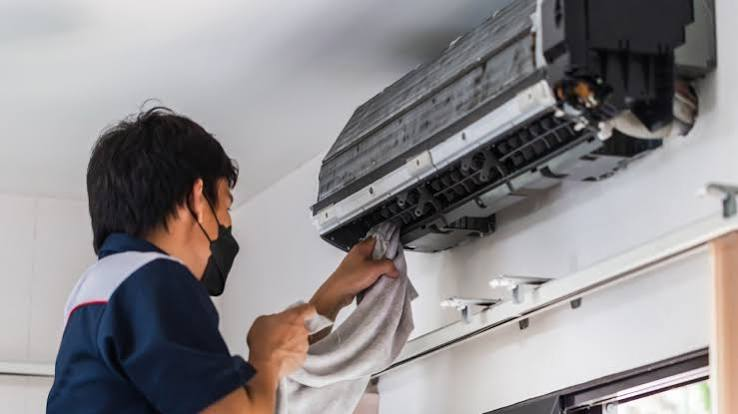
Summer heat has a way of exposing every weakness in your cooling system. One day your air conditioner is humming along fine, and the next, it’s blowing warm air while your energy bill climbs higher than the temperature outside. For most homeowners, this cycle repeats every few years until a costly repair—or worse, a full replacement—becomes unavoidable.
The good news? Most of these breakdowns are preventable. A well-maintained air conditioning system doesn’t just keep your home comfortable; it runs more efficiently, lasts longer, and saves you money on energy costs year after year. Yet AC maintenance is one of those tasks that’s easy to overlook until something goes wrong.
At Air 24/7, we’ve seen firsthand how a simple maintenance routine can mean the difference between a cooling system that lasts 15 years and one that fails after seven. In this post, we’ll break down why maintenance matters, what it actually involves, and how partnering with the right team can protect your investment for the long haul.
Why Does AC Maintenance Matter So Much?
Air conditioners are built to work hard, especially during peak summer months. Every time your system runs, dust accumulates on coils, filters clog, and refrigerant levels can shift. None of these issues happen overnight, but left unchecked, they compound over time.
A dirty filter forces your system to work harder to push air through, which increases energy consumption and strains the compressor. Low refrigerant levels mean your unit can’t cool efficiently, leading to longer run times and higher utility bills. Dirty coils reduce heat transfer, making your AC work twice as hard to deliver half the cooling power.
These small inefficiencies add up quickly. According to the U.S. Department of Energy, a poorly maintained air conditioner can lose up to 5% efficiency each year it goes without a tune-up. That translates directly into higher monthly bills and a shortened equipment lifespan.
What Happens During a Professional AC Tune-Up?
Many homeowners assume maintenance means simply changing the air filter. While filter replacement is important, a comprehensive tune-up covers far more ground.
A thorough inspection typically includes checking refrigerant levels, inspecting and tightening electrical connections, lubricating moving parts, cleaning condenser and evaporator coils, and testing thermostat accuracy. Technicians also check the condensate drain line, since a clogged line can lead to water damage or mold growth inside your home.
Each of these steps addresses a different potential failure point. Loose electrical connections, for example, aren’t just an efficiency issue. They can pose a genuine fire hazard if left unaddressed. Clean coils aren’t just about performance either; they directly affect how long your compressor lasts, since an overworked compressor wears out faster and is one of the most expensive components to replace.
How Often Should You Schedule AC Maintenance?
Most HVAC manufacturers and industry experts recommend scheduling a professional tune-up at least once a year, ideally in the spring before your system faces its heaviest summer workload. Homes in warmer climates, where air conditioners run almost year-round, may benefit from twice-yearly checkups instead.
Skipping annual maintenance doesn’t just risk breakdowns. It can also void manufacturer warranties, many of which require documented proof of regular servicing. That’s a costly oversight if a major component fails and you’re left paying full price for a repair that could have been covered.
The Real Cost of Neglecting Your Cooling System
It’s tempting to put off maintenance when your AC seems to be running fine. But cooling systems rarely fail without warning signs, and those warning signs often go unnoticed until a complete breakdown occurs, usually during the hottest week of the year when demand for repairs is highest and wait times are longest.
Neglected systems also consume significantly more energy. The Department of Energy estimates that proper maintenance can reduce energy use by up to 15%, which adds up to meaningful savings over a cooling season. On top of the financial cost, a poorly maintained unit struggles to maintain consistent humidity and temperature control, leaving your home less comfortable even when the AC is actively running.
There’s also the matter of indoor air quality. Dirty filters and coils can circulate dust, allergens, and even mold spores throughout your home, which is particularly concerning for households with allergy sufferers or young children.
How Air 24/7 Makes AC Maintenance Simple
This is exactly why so many homeowners trust Air 24/7 for their cooling needs. Reliable AC Maintenance that saves you money, extends your system’s life, and keeps your home comfortable all season long is at the heart of what we do. Our technicians don’t just run through a checklist; they take the time to understand your specific system, identify small issues before they become expensive problems, and explain everything in plain language so you know exactly what’s happening with your equipment.
We understand that scheduling maintenance can feel like one more task on an already full plate. That’s why we’ve made the process straightforward, with flexible appointment times and transparent pricing so there are no surprises. Our goal isn’t just to service your unit once a year; it’s to build a long-term relationship where you trust us to keep your home comfortable no matter what the forecast says.
Whether you’re dealing with an aging system that needs extra attention or a newer unit you want to protect for years to come, our team has the experience to handle it. We service all major brands and models, so you can count on expert care regardless of what’s installed in your home.
Protect Your Comfort Before the Next Heat Wave Hits
Waiting until your AC breaks down is one of the most expensive mistakes a homeowner can make. Regular maintenance costs a fraction of what emergency repairs or premature replacements run, and it pays for itself through lower energy bills and fewer unexpected failures.
If it’s been more than a year since your last tune-up, now is the time to act. Reach out to Air 24/7 to schedule your maintenance appointment and give your cooling system the care it needs to perform at its best all season long. Your future self, sweating through a July heat wave, will thank you.
Home Improvement
Why ProStar Garage Doors Is the Smart Choice for Your Next Garage Door Installation
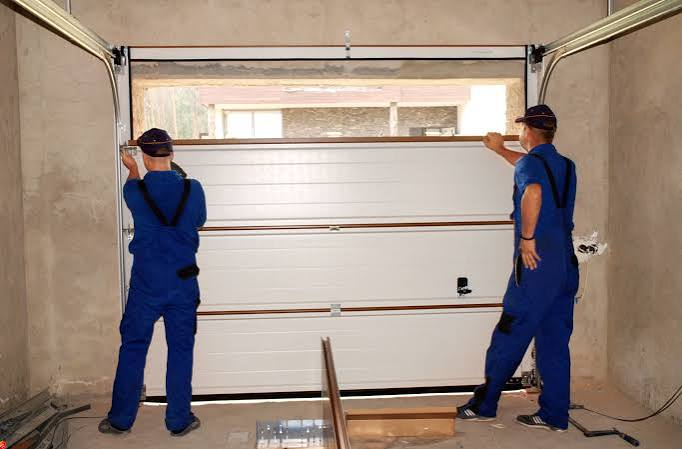
A garage door does more than open and close. It protects your vehicles, shields your home from the elements, and plays a surprisingly large role in your property’s curb appeal. Yet many homeowners don’t think twice about their garage door until something goes wrong — a spring snaps, the opener grinds to a halt, or the panels start to warp. At that point, replacement becomes less of a choice and more of a necessity.
That’s where ProStar Garage Doors comes in. We’ve built our reputation on precision craftsmanship, honest pricing, and a customer-first approach that turns a stressful situation into a smooth, satisfying experience. Whether you’re upgrading an aging door or starting from scratch with new construction, our team brings the expertise and attention to detail that your home deserves.
In this post, we’ll walk through what sets ProStar apart, what you can expect during the installation process, and why choosing the right team matters more than most homeowners realize.
What Makes a Garage Door Installation Worth Investing In?
Not all garage door projects are created equal. A poorly installed door can lead to uneven wear, noisy operation, and even safety hazards down the road. A properly installed one, on the other hand, operates smoothly for years, insulates your garage effectively, and adds real value to your home.
At ProStar, we treat every project — residential or commercial — with the same level of care. Our technicians are trained to assess your garage’s structure, recommend the right door style and material for your climate and budget, and install it with precision down to the smallest hinge. We don’t cut corners because we know that durability starts with the details.
The ProStar Difference: Quality You Can See and Feel
Homeowners often ask what separates ProStar from other garage door companies in the area. The answer comes down to three things: craftsmanship, transparency, and service.
Craftsmanship: Our installers aren’t subcontracted labor picked up for the day. They’re trained specialists who understand torsion springs, track alignment, and insulation requirements inside and out. That expertise shows in the finished product — doors that open quietly, close securely, and look great doing it.
Transparency: We believe pricing should never be a mystery. Before any work begins, you’ll receive a clear, itemized quote with no hidden fees. What we quote is what you pay.
Service: From your first phone call to the final walkthrough, our team keeps you informed. We respect your time, show up when we say we will, and clean up after ourselves. It’s a simple standard, but one that’s surprisingly rare in the industry.
Choosing the Right Garage Door for Your Home
One of the most common questions we hear is, “Which door is right for me?” The answer depends on a few factors: your home’s architectural style, your local climate, and how much insulation you need.
Steel doors remain a popular choice for their durability and low maintenance, while wood-look composite doors offer a classic aesthetic without the upkeep of real wood. If energy efficiency is a priority — especially in regions with extreme winters or summers — an insulated door with a high R-value can make a noticeable difference in your garage’s temperature and your energy bills.
Our team walks you through these options during a free consultation, helping you weigh style against function so you end up with a door that fits both your home and your lifestyle.
What to Expect During the Installation Process
A lot of homeowners feel uncertain about how disruptive a garage door project will be. The good news: with ProStar, most standard installations are completed in a single day.
Here’s a general idea of what the process looks like:
- Initial consultation: We assess your garage, discuss style and budget preferences, and provide a detailed quote.
- Scheduling: We work around your availability to minimize disruption to your daily routine.
- Removal of the old door: If you’re replacing an existing door, our team carefully removes it and disposes of the materials responsibly.
- Installation: Our technicians install the new door, track system, springs, and opener (if applicable), testing everything thoroughly before we leave.
- Final walkthrough: We review the door’s operation with you and answer any questions before considering the job complete.
Throughout the process, safety is non-negotiable. Garage doors are heavy, spring-loaded systems, and improper handling can lead to serious injury. That’s precisely why professional installation matters — it’s not a project most homeowners should tackle alone.
Why Professional Installation Beats the DIY Route
It’s tempting to think of garage door installation as a weekend project, especially with so many online tutorials promising a quick fix. But garage doors are more complex than they appear. Torsion springs store enormous tension and can cause serious injury if mishandled. Misaligned tracks lead to premature wear and costly repairs. And warranty coverage on many doors is voided if installation isn’t performed by a certified professional.
Hiring a trained team doesn’t just save you time — it protects your investment. ProStar technicians carry the tools, training, and experience to get the job done right the first time, backed by warranties that give you peace of mind long after installation day.
Ready to Upgrade Your Garage Door?
Reliable, professional, and built to last — our Garage Door Installation service gives homeowners the confidence that comes from knowing the job was done right the first time. Whether you’re replacing a storm-damaged door, upgrading for better insulation, or simply refreshing your home’s exterior, ProStar Garage Doors brings the craftsmanship and customer care that makes the process easy from start to finish.
A new garage door is one of the most visible — and most functional — upgrades you can make to your home. Don’t leave it to chance. Reach out to ProStar Garage Doors today for a free consultation, and let our team show you what a difference professional installation really makes.
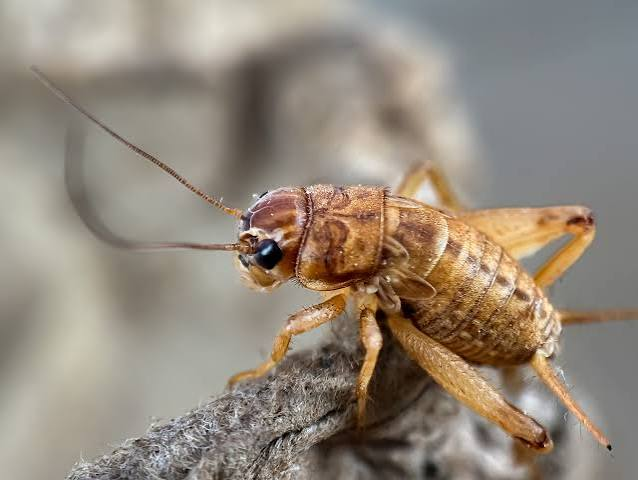
Few sounds disrupt a peaceful evening quite like the persistent chirp of crickets hiding somewhere in your house. That rhythmic noise might seem harmless at first, but a cricket infestation can quickly escalate into a frustrating, recurring problem. These insects reproduce fast, hide in hard-to-reach spaces, and can damage fabrics, paper, and even plants if left unchecked.
Homeowners often try DIY fixes first—sticky traps, store-bought sprays, or simply ignoring the problem and hoping it resolves itself. Unfortunately, crickets are resilient. They squeeze through tiny gaps, thrive in warm and humid conditions, and multiply before you even notice a pattern. Without a targeted strategy, these minor annoyances can turn into a full-blown household issue.
This post breaks down why crickets invade homes, the risks they pose, and the most effective ways to eliminate them for good. Whether you’re dealing with your first cricket sighting or an ongoing battle, understanding the right approach makes all the difference between a temporary fix and a lasting solution.
Why Do Crickets Invade Homes in the First Place?
Crickets are drawn indoors for the same reasons many pests are: shelter, warmth, and food. As temperatures drop outside or conditions become too dry, these insects seek refuge in basements, garages, and crawl spaces. Cracks in foundations, gaps around windows, and poorly sealed doors all serve as easy entry points.
Once inside, crickets gravitate toward dark, cluttered areas like closets, storage boxes, and behind appliances. They’re especially fond of damp environments, which is why bathrooms and laundry rooms often become hotspots. Homes with excess moisture or organic debris nearby—like mulch piles or woodpiles close to the foundation—tend to see higher cricket activity.
Lighting also plays a role. Outdoor lights near entryways attract crickets at night, increasing the odds they’ll find their way inside. Combine that with a few unsealed gaps, and a home becomes an open invitation.
What Problems Can a Cricket Infestation Cause?
While crickets don’t pose the same health risks as some other pests, their presence still creates real headaches for homeowners.
Property damage tops the list. Crickets chew through fabric, paper, and even cardboard, making stored clothing, documents, and boxes vulnerable. In severe cases, they’ve been known to damage wallpaper and carpet fibers.
Noise disruption is another common complaint. Male crickets chirp to attract mates, and that sound can be surprisingly loud, especially at night when background noise is minimal. For light sleepers, a cricket infestation can mean weeks of interrupted rest.
Rapid reproduction compounds the problem. A single cricket in your home rarely stays a single cricket for long. Females lay dozens of eggs at a time, meaning a small issue can balloon into a significant infestation within a matter of weeks if left untreated.
DIY Methods: Do They Actually Work?
Many homeowners start with over-the-counter solutions before calling in professionals, and it’s worth understanding what these methods can and can’t accomplish.
Sticky traps catch individual crickets but do little to address the source of the infestation. They’re useful for monitoring activity, not resolving it.
Store-bought sprays can kill crickets on contact, but their effectiveness is often short-lived. These products rarely reach hidden nesting sites, which means new crickets continue to emerge even after repeated treatments.
Sealing entry points is a smart preventive step, but it won’t eliminate crickets already inside your home. It also requires identifying every possible gap, which is harder than it sounds given how small these insects are.
Reducing moisture and clutter helps make your home less appealing to crickets, but this strategy works best as a supplement to active treatment rather than a standalone fix.
The common thread among DIY approaches is that they treat symptoms rather than root causes. Without professional-grade products and a clear understanding of cricket behavior, it’s easy to spend weeks managing a problem that keeps coming back.
Why Professional Treatment Makes a Difference
Lasting cricket control starts with identifying exactly where these insects are breeding and hiding, not just where they’re seen. This is where professional pest management services separate themselves from quick fixes. Rather than guessing which products might work, trained technicians assess the specific conditions of your property—moisture levels, entry points, nesting sites—and develop a treatment plan tailored to that information.
Quell Pest Control approaches cricket infestations with this level of precision. Instead of masking the problem temporarily, our technicians focus on identifying the conditions that attracted crickets in the first place and addressing them directly. This includes targeted treatments for active infestations combined with preventive measures designed to stop future invasions before they start.
What sets professional treatment apart is the combination of expertise and access to solutions that aren’t available on store shelves. Professional-grade products are formulated to reach crickets in hidden spaces, including wall voids and crawl spaces that DIY sprays simply can’t penetrate. Pairing this with ongoing monitoring means homeowners get a solution built to last, not just a reprieve.
Beyond the immediate treatment, professional pest control also provides peace of mind. Knowing that a trained expert has assessed your home, identified vulnerabilities, and implemented a comprehensive plan takes the guesswork out of pest management. For many homeowners, that reassurance alone is worth the investment.
Simple Steps to Prevent Future Cricket Problems
Once an infestation is under control, prevention becomes the priority. A few consistent habits can go a long way toward keeping crickets from returning:
- Seal cracks and gaps around windows, doors, and foundations using caulk or weatherstripping.
- Reduce outdoor lighting near entry points, or switch to yellow-tinted bulbs that are less attractive to insects.
- Manage moisture by fixing leaky pipes, using dehumidifiers in damp areas, and ensuring proper drainage away from the foundation.
- Clear debris such as leaf piles, mulch, and woodpiles away from the exterior walls of your home.
- Declutter storage areas to eliminate the dark, undisturbed spaces crickets prefer for nesting.
These steps won’t guarantee a cricket-free home forever, but they significantly reduce the odds of a repeat infestation, especially when paired with regular professional inspections.
Take Back Control of Your Home
A few chirps here and there might seem like a minor inconvenience, but left unaddressed, a cricket infestation can disrupt your peace, damage your belongings, and multiply faster than most homeowners expect. The good news is that this is a solvable problem with the right approach.
Rather than cycling through temporary fixes that never quite finish the job, consider working with a team that understands cricket behavior and has the tools to address it properly. Quell Pest Control is ready to help you assess your home, implement an effective treatment plan, and keep crickets from coming back. Reach out today to schedule an inspection and get your home back to being chirp-free.
FAQ
How quickly can a cricket infestation get worse?
Cricket populations can grow significantly within just a few weeks, as females lay large batches of eggs. Addressing an infestation early prevents the problem from escalating into a larger, more difficult issue.
Are crickets harmful to pets or children?
Crickets aren’t typically dangerous to pets or children, but they can carry bacteria and may trigger allergies in sensitive individuals. Their presence also often signals broader moisture or entry-point issues worth addressing.
How long does professional cricket treatment take to show results?
Most homeowners notice a significant reduction in cricket activity within the first week or two of professional treatment, though full resolution depends on the severity of the infestation and the specific conditions of the property.
Can I prevent crickets without calling a professional?
Basic prevention steps like sealing gaps and reducing moisture help, but existing infestations usually require professional-grade treatment to fully resolve, since store-bought products rarely reach hidden nesting areas.

Why Regular AC Maintenance Keeps Your Home Cool and Costs Low

Why ProStar Garage Doors Is the Smart Choice for Your Next Garage Door Installation

Crickets Taking Over Your Home? Here’s What Actually Works

Nancy Simon: Meet Neil Simon’s Daughter and Woody Harrelson’s Ex Wife

Who Was Russell Derek? Inside The Life of John Derek’s Son

Steven Fleischmann: Inside the Love Story of Erin Moran and Her Husband
-
 Celebrity2 months ago
Nancy Simon: Meet Neil Simon’s Daughter and Woody Harrelson’s Ex Wife
-
 Biographies5 months ago
Who Was Russell Derek? Inside The Life of John Derek’s Son
-
 Biographies5 months ago
Steven Fleischmann: Inside the Love Story of Erin Moran and Her Husband
-

 Biographies5 months ago
Who is Kassidy Duhamel? All About the Life of Josh Duhamel’s Sister
-

 Biographies5 months ago
Micah Emmanuel Lanfer: All About the Life of Sarah Drew and Peter Lanfer’s Son
-

 Biographies5 months ago
Who is Bear Beghe? All About the Life of Jason Beghe’s Son
-

 Biographies5 months ago
Caleb Michael Jackson: The Untold Story of Lisa Vultaggio and Jonathan Jackson’s Son
-

 Technology3 months ago
BotPower Explained: A Complete Guide to IMVU Tracking Tools