
Health
Smoothiepussit: Everything to Know About Smoothie Packs and Pouches

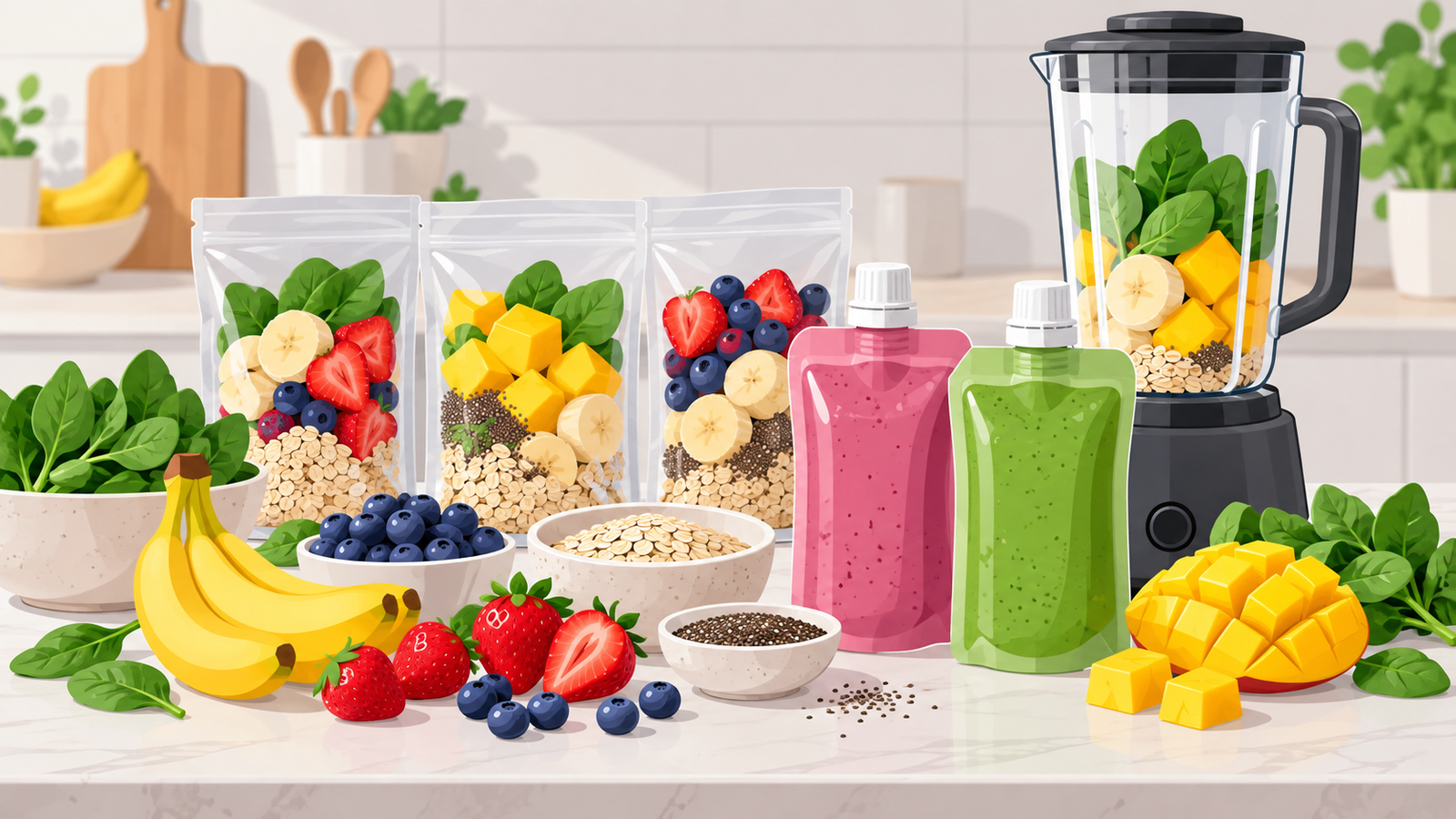
Smoothies are easy to make and can include many foods. But washing fruit, cutting vegetables, and measuring items can take time. Smoothiepussit can make this process easier. The term is often linked with smoothie packs, reusable pouches, and ready-made smoothie products.
Smoothiepussit is not an official food or health term. Different websites use the word in different ways. Some use it for bags filled with fruit and other foods that are ready to blend. Others use it for pouches filled with a finished smoothie.
The main idea is simple. Smoothiepussit can make smoothies easier to prepare, store, and carry. This article explains what the term means, how smoothie packs work, what they may contain, and how healthy they can be.
What Is Smoothiepussit?
Smoothiepussit is an informal word used for smoothie bags or pouches. The name is often linked with the English word “smoothie” and the Finnish word “pussit,” which means bags or pouches.
There is no single meaning. Some people use Smoothiepussit for bags filled with frozen fruit and vegetables. Others use it for reusable pouches filled with a ready-made smoothie. Some store-bought smoothie pouches may also fit the term.
Smoothiepussit is not one special recipe or diet. It is a broad idea based on making smoothies easier to prepare and carry.
For example, you can prepare several freezer bags with banana, berries, spinach, and oats. When you want a smoothie, you take out one bag, add milk or water, and blend it.
You can also blend a smoothie first and pour it into a reusable food pouch. This can be useful for school, work, or travel.
How Smoothiepussit Work
Smoothiepussit are based on preparing smoothie foods before you need them. This can save time during busy mornings or workdays.
For ingredient packs, fruit and vegetables are washed and cut first. They are then split into small portions. Oats, seeds, or other dry foods can also be added.
When you want a smoothie, place one pack in a blender. Add water, milk, yogurt, coconut water, or a plant-based drink. Blend until smooth.
Another method is to make the full smoothie first. You can then pour it into a clean reusable pouch. This makes it easier to carry.
Store-bought versions are already made. Some need to stay cold. Others can stay at room temperature before opening. Always follow the storage rules on the package.
The main benefit is saving time. A prepared pack also cuts down on chopping and measuring. It may also help with portion size and food waste.
Common Smoothiepussit Ingredients
There is no set Smoothiepussit recipe. You can change the foods based on taste, diet, age, or allergies.
Fruit is very common. Bananas add sweetness and make smoothies creamy. Other choices include strawberries, blueberries, raspberries, mangoes, peaches, apples, pears, pineapple, and cherries.
Frozen fruit is also useful. It lasts longer and can make a smoothie cold and thick. Fresh fruit can work well too.
Vegetables can also be added. Spinach and kale are common choices. Carrots, cucumber, beetroot, pumpkin, zucchini, celery, and sweet potato may also be used.
A small amount of spinach can mix well with banana or mango. This can add more variety without making the taste too strong.
The liquid base changes the taste and texture. Water is a simple choice. Other options include milk, almond milk, oat milk, soy milk, coconut water, yogurt, and unsweetened plant drinks.
Oats can make the drink more filling. Rolled oats and oat bran are common. Chia seeds, flaxseeds, and hemp seeds can add fiber and healthy fats.
Protein may come from Greek yogurt, milk, cottage cheese, soy foods, nut butter, whey protein, or pea protein.
Cinnamon and ginger can add flavor. Honey, maple syrup, agave, and dates can add sweetness. But ripe fruit may already be sweet enough.
Smoothiepussit Nutrition
The nutrition in Smoothiepussit depends on the foods used. There is no set amount of calories, protein, fiber, or sugar.
Fruit can provide carbs, vitamin C, potassium, and fiber. Leafy vegetables may add vitamin A, vitamin K, folate, and other plant nutrients.
Protein foods can make a smoothie more filling. Greek yogurt, milk, soy, and nut butter are common choices. Protein may also be useful after exercise.
Oats and seeds can add fiber. Chia, flax, and hemp seeds may also add healthy fats.
Sugar is also important. Fruit has natural sugar. This is different from added sugar in syrup, sweetened juice, or flavored yogurt.
A banana and berry smoothie may already be sweet. It may not need honey or syrup. For store-bought pouches, check the label for added sugar.
Portion size also matters. A small smoothie may work as a snack. A large smoothie with fruit, juice, nut butter, oats, and sweeteners can have much more energy.
The best way to judge Smoothiepussit is by looking at the foods inside and the serving size.
Are Smoothiepussit Healthy?
Smoothiepussit can be healthy when they contain good foods in suitable amounts. A smoothie is not healthy just because it contains fruit.
A balanced smoothie may include fruit, vegetables, protein, fiber, and healthy fats. For example, berries, spinach, Greek yogurt, oats, and chia seeds can make a balanced mix.
A smoothie made with sweetened juice, syrup, and sweet yogurt may contain more added sugar. It may also have less protein and fiber.
Protein and healthy fats can help you stay full for longer. A fruit-only drink may not keep you full for as long. Yogurt, nut butter, oats, soy, or seeds can help.
Smoothies should not replace all whole fruits and vegetables. Whole foods also give you fiber, texture, and variety.
Some smoothie products use words like “detox.” These claims should be treated with care. Smoothiepussit do not have special cleansing powers.
The best choice is to check the ingredients. A good mix of whole foods, a sensible serving, and little added sugar is more important than health claims on the pack.
Smoothiepussit for Children and Adults
Smoothiepussit can work for both children and adults. The ingredients and serving size can be changed for each person.
For children, reusable smoothie pouches may be useful for school, trips, or snacks. They can also be easier to carry than an open cup.
Parents can mix fruit with mild vegetables. Banana and berries can work with a little spinach. Mango and carrot can also be used together.
Children should still eat whole fruit, vegetables, grains, protein foods, and full meals. Smoothies should be part of a varied diet.
Adults may use Smoothiepussit for work, school, or travel. A prepared smoothie can be useful when there is little time to make food.
People with food allergies should always check the ingredients. Milk, peanuts, tree nuts, soy, and other allergens may be used in some smoothies.
Smoothiepussit for Active Lifestyles
Smoothiepussit can also fit into an active routine. They are easy to carry and can be changed based on the type of snack needed.
Before exercise, fruit can provide carbs for energy. A smoothie with banana, berries, and milk may work for some people.
After exercise, adding protein can be useful. Greek yogurt, milk, soy, or another protein source can increase the protein in the drink.
Smoothiepussit are not special sports products. Their value depends on what is inside. A pouch made mostly with sweet fruit puree is very different from one made with fruit, yogurt, oats, and seeds.
Travelers and hikers may also find them useful. But fresh smoothies made with milk or yogurt should stay cold.
For active people, the same basic rules still apply. Choose the right ingredients, watch the serving size, and store the smoothie safely.
Homemade vs Ready-Made Smoothiepussit
Homemade Smoothiepussit give you more control over what goes into your smoothie. You can choose the fruit, vegetables, liquid, protein, seeds, and serving size. You can also leave out foods that you do not like or cannot eat.
Making them at home can also help you limit added sugar. You can use ripe fruit for natural sweetness. You can also choose plain yogurt, unsweetened milk, or water instead of sweet drinks. This makes it easier to build a smoothie that fits your needs.
Ready-made smoothie pouches are easier when you are short on time. They are already made, so there is little or no work needed. Some can also stay unopened for longer because of the way they are packed.
The main difference is control and ease. Homemade packs give you more control. Store-bought products save more time. When buying one, check the serving size, added sugar, protein, fiber, and allergens.
A fruit picture on the pack does not mean the product is a full meal. Some pouches may contain mostly fruit puree or juice. Always check the label to see what is really inside.
How to Make Smoothiepussit at Home
There are two simple ways to make Smoothiepussit at home. You can prepare the foods first and blend them later. Or you can make the full smoothie and pour it into a reusable food pouch.
For smoothie packs, start by washing the fruit and vegetables. Cut them into small pieces. Split them into single portions and place them in clean bags or containers. You can also add oats, chia seeds, or other foods that store well.
When you want a smoothie, take out one portion and put it in a blender. Add water, milk, yogurt, coconut water, or another liquid. Add the liquid slowly so you can control how thick the drink becomes.
You can also blend the smoothie first. Then pour it into a clean food-safe pouch. Make sure the pouch is made for food and can be washed well after each use.
A simple mix can include banana, strawberries, blueberries, yogurt, and oats. Another option is spinach, mango, pineapple, coconut water, and chia seeds. Banana, peanut butter, milk, and oats can make a more filling drink.
You can also try mango, peach, carrot, orange, and yogurt. These are only examples. You can change the foods based on taste, allergies, and diet needs.
How to Store Smoothiepussit Safely
Fresh Smoothiepussit need safe storage. Smoothies made with milk, yogurt, or other foods that spoil easily should stay cold. Do not leave them in a warm place for a long time.
Ingredient packs can often be frozen. Fruit, berries, and many leafy greens work well in freezer packs. You can prepare several portions at once and take out one when you need it.
It is often better to add the liquid at blending time. This saves freezer space and helps you control the final texture. It also keeps the pack simple.
Store-bought pouches can have different rules. Some need to stay in the fridge. Others may stay at room temperature before they are opened. Always read the directions on the pack.
Once a commercial pouch is opened, the storage rules may change. A product that was safe on a shelf before opening may need to stay cold after opening.
Reusable pouches must also be cleaned well. Food can stay around the corners, seals, and opening. Wash these areas with care and let the pouch dry fully before putting it away.
There is no single storage time that works for every homemade smoothie. The foods used, temperature, and way it was made can all affect how long it stays safe.
How to Choose Ready-Made Smoothiepussit
Start with the ingredient list when buying ready-made Smoothiepussit. This tells you what the product is made from. Look for fruit, vegetables, yogurt, oats, or other foods that fit your needs.
Next, check the nutrition label. Look at total sugar and added sugar. Fruit has natural sugar, so total sugar does not always mean extra sugar was added.
Protein and fiber are also useful to check. A smoothie with protein and fiber may keep you full longer than one made mostly from juice or fruit puree.
Serving size matters too. Two pouches may look almost the same but contain very different amounts of sugar, calories, protein, and fiber. Check the amount for the full pouch before comparing products.
People with food allergies should read the label with care. Smoothies may contain milk, peanuts, tree nuts, soy, or other allergens. Do not choose a product only because the front of the pack looks safe.
The same rule applies to vegan, dairy-free, and gluten-free diets. Look for clear labels and check the full ingredient list. A short ingredient list can be easy to read, but it does not always mean the product is healthier.
Common Smoothiepussit Mistakes
One common mistake is using too much fruit and nothing else. Fruit is useful, but a fruit-only smoothie may have little protein or healthy fat. Adding yogurt, oats, seeds, soy, or nut butter can make it more balanced.
Another mistake is adding sugar when the smoothie is already sweet. Honey, syrup, sweetened juice, and flavored yogurt can all add more sugar. Taste the drink first before adding anything sweet.
Using too little liquid can also cause trouble. The blender may have a hard time mixing the food. Add a small amount of liquid first, then add more if needed.
Some people also add too much protein powder or too many supplements. More is not always better. These products should be used based on real needs, not only because they are sold as healthy.
Portion size is easy to forget. A large smoothie with several fruits, juice, nut butter, oats, and sweeteners can contain much more energy than a small snack.
Poor storage is another mistake. Fresh Smoothiepussit should not stay warm for long, mainly when they contain dairy or other foods that spoil fast. Safe storage is just as important as healthy ingredients.
Healthy Tips for Better Smoothiepussit
Start with whole fresh or frozen fruit. Berries, banana, mango, peach, and pineapple are simple choices. Using whole fruit instead of sweet syrup or a lot of juice can also add more fiber.
You can add a small amount of vegetables. Spinach is easy to mix with fruit because its taste can be mild. Carrot and cucumber are other options.
Choose an unsweetened liquid when you want to limit added sugar. Water, plain milk, soy milk, oat milk, or another unsweetened drink can work well.
If you want the smoothie to keep you full longer, add protein. Greek yogurt, milk, soy, nut butter, or another suitable food can help. Oats and seeds can also add fiber and texture.
Taste the smoothie before adding honey or syrup. Ripe banana, mango, and berries may already make it sweet enough. This simple step can help cut extra sugar.
Preparing Smoothiepussit in advance can also save food. If bananas or berries are getting ripe, you can cut and freeze them before they spoil. They can then be used in a future smoothie.
Smoothiepussit and Sustainability
Reusable smoothie pouches may help reduce the use of some throw-away cups, bottles, or bags. This works best when the same pouch is washed and used many times.
Preparing smoothie packs can also help reduce food waste. Fruit and vegetables that may spoil soon can be cut, divided, and frozen. This can give them more time to be used.
Store-bought smoothie products can use many types of packs. Some may use less plastic or packs that can be recycled. Others may be harder to recycle.
Because of this, Smoothiepussit should not always be called eco-friendly. Their effect depends on how they are made, packed, moved, used, and thrown away.
A reusable pouch also needs water and cleaning after each use. Its value grows when it is used again and again instead of being replaced after only a few uses.
Conclusion
Smoothiepussit is an informal term used for smoothie ingredient packs, reusable smoothie pouches, and some ready-made smoothie products. There is no single recipe or set nutrition value.
The main benefits are ease, simple meal prep, and easy transport. You can prepare fruit and vegetables before you need them or carry a finished smoothie in a food-safe pouch.
How healthy Smoothiepussit are depends on what is inside. Fruit, vegetables, protein, oats, and seeds can make a useful mix. Added sugar, large portions, and poor food balance can make a smoothie less useful.
Homemade versions give you more control. Ready-made ones can save time. In both cases, check the ingredients, serving size, storage needs, and food safety.
Smoothies can be part of a healthy and varied diet. They work best with whole foods and regular meals, not as a full replacement for all fruit, vegetables, and other foods.
FAQs
What does Smoothiepussit mean?
Smoothiepussit is an informal term often used for smoothie ingredient bags, reusable smoothie pouches, or ready-made smoothie packs. The word “pussit” means bags or pouches in Finnish.
Is Smoothiepussit a brand?
Smoothiepussit is not established as one specific brand. The term is mainly used for different types of smoothie packs and pouches.
Are Smoothiepussit healthy?
They can be healthy when they contain fruit, vegetables, protein, fiber, and little added sugar. Their nutrition depends on the foods and serving size.
Can you make Smoothiepussit at home?
Yes. You can prepare fruit and other foods in packs for later blending, or make the smoothie first and place it in a reusable food-safe pouch.
Do Smoothiepussit need to be refrigerated?
Fresh homemade smoothies usually need to stay cold. Some sealed store-bought pouches may stay at room temperature before opening, so always follow the package directions.

A family history of cancer can raise many questions. If your mother, sister, or close relative had breast cancer, you may worry about your own risk. Doctors use family health records to help find answers. One tool once used in Australia was FRABOC.
FRABOC was an online tool that helped doctors check breast and ovarian cancer risk. It looked at cancer cases in a patient’s family and placed the patient in a risk group. Doctors used these results to decide who might need more tests, regular checks, or specialist care.
The tool is no longer in use. Newer tools, such as iPrevent, now give more details about breast cancer risk. This guide explains how the old tool worked, what its results meant, and why it was replaced.
What Is FRABOC?
FRABOC stands for Familial Risk Assessment – Breast and Ovarian Cancer. It was an online tool used by doctors and nurses in Australia. Cancer Australia provided it to help health workers check cancer risk based on family history.
The tool looked at cancer cases among close relatives. It helped doctors place patients into three risk groups:
- Average risk
- Moderately increased risk
- Potentially high risk
These groups helped doctors decide if a patient needed more care. They could also use the results to explain cancer risk in simple terms. People with a higher risk might need more checks or a visit to a specialist.
FRABOC was not a cancer test. It did not check blood, scan the body, or test DNA. It only used family health details to help guide care. Cancer Australia has since removed the tool from its website.
Why Was FRABOC Developed?
Breast and ovarian cancer can sometimes run in families. Some people inherit gene changes that raise their risk. Yet not every case of cancer in a family has an inherited cause. Doctors need to study family history before they can assess the risk.
For example, a woman may tell her doctor that her mother had breast cancer. The doctor may ask how old her mother was when the cancer was found. They may also ask if her aunt, sister, or other relatives had cancer. These facts help the doctor look for patterns.
FRABOC gave doctors a clear way to review such cases. It helped them group patients by risk instead of making a choice based on one family detail.
The tool also helped doctors decide who might need further care. Some patients could follow the usual screening plan. Others might need a more detailed check at a family cancer clinic. This helped doctors choose the next step based on each person’s history.
How Did the FRABOC Tool Work?
FRABOC worked by reviewing a patient’s family cancer history. A doctor or nurse asked about relatives who had breast or ovarian cancer. They also checked how closely each person was related to the patient.
The age when cancer was found was an important detail. Cancer found at a young age may be a sign of inherited risk. Doctors also checked both sides of the family, since gene changes can come from either parent.
What Details Did Doctors Check?
The main details included:
- Which relatives had breast or ovarian cancer
- How old they were when cancer was found
- How closely they were related to the patient
- Whether the cancer was on the mother’s or father’s side
- Whether several relatives had the same type of cancer
For example, a woman may have an aunt who had breast cancer at age 42. Her doctor would also ask about cancer in other relatives. A pattern of cancer in the family may call for a closer look.
Once the details were entered, the tool placed the patient into a risk group. The doctor then used that result to plan the next steps. A person with average risk might need only routine screening. Someone with signs of higher risk might be sent for further checks.
The result did not mean the patient had cancer. It only helped the doctor assess the chance of cancer based on family history.
Who Used FRABOC for Cancer Risk Assessment?
FRABOC was made for health workers, not for patients to use on their own. Its main users were general practitioners (GPs), practice nurses, and other trained health workers.
Doctors used it during visits with patients who had a family history of cancer. For example, someone might visit a GP after learning that a close relative had breast cancer. The doctor could ask about other cancer cases and use the tool to review the patient’s risk.
Patients did not need to work through the tool themselves. The doctor collected the details, checked the result, and explained what it meant. This made the tool part of a normal health visit.
It also helped doctors decide when to refer a patient to a specialist. A person with a strong family history might need genetic counselling. This service helps people learn about inherited cancer risk and whether genetic testing may be useful.
Not every patient needed a referral. The next step depended on the family history, risk group, and other health details.
The Three FRABOC Risk Categories
FRABOC helped doctors sort patients into three groups based on family cancer history. These were average risk, moderately increased risk, and potentially high risk.
The broad Australian breast cancer risk groups compare a person’s risk with that of the general population.
| Risk category | Level of risk |
|---|---|
| Average risk | Less than 1.5 times the usual risk |
| Moderate risk | 1.5 to 3 times the usual risk |
| High risk | More than 3 times the usual risk |
What Each Risk Group Meant
Average risk meant the person’s risk was close to that of most people. Someone in this group might not need extra screening based on family history alone. They could often follow the usual screening advice for their age and health.
Moderate risk meant the person had a higher chance of breast cancer than average. This might be linked to cancer cases in close relatives. A doctor could suggest earlier screening or more regular checks based on the full risk assessment.
High risk meant the person had stronger signs of increased cancer risk. This could include several relatives with breast or ovarian cancer, or a known harmful gene change in the family. The doctor might suggest a visit to a family cancer clinic.
These groups were used to guide medical care. They did not show who would get cancer. Even a high-risk result was not a diagnosis. Doctors still needed to review each patient’s health and family history before making a care plan.
Why Was FRABOC Discontinued?
FRABOC is no longer available on the Cancer Australia website. The organisation now points people toward newer breast cancer risk tools. However, its public notice does not give an exact date or full reason for the change.
Cancer risk checks have changed over time. Family history is still useful, but it is not the only thing that affects risk. A person’s age, breast health, past medical care, and other health details can also play a part.
Newer tools can use more of these details. This helps doctors build a fuller picture of breast cancer risk. It also gives patients more useful information when they discuss screening and care.
You may still see the old tool named in medical letters, clinic forms, or health guides. Some of these records were made when it was still in use.
An old FRABOC result does not mean the family history in that report is wrong. It means the assessment was made with an older tool. A doctor can review the same family history using current methods and advice.
What Replaced FRABOC? Understanding iPrevent
iPrevent is a newer breast cancer risk tool used in Australia. It was made by a team at the Peter MacCallum Cancer Centre in Melbourne. It helps women learn more about their chance of getting breast cancer.
Unlike the old tool, women can complete iPrevent online themselves. They can then share the results with their doctor. This makes it easier to start a talk about family cancer risk and screening.
What Does iPrevent Check?
iPrevent looks at more than family history. It asks about several health and personal details, such as:
- Age, height, and weight
- Breast cancer in close relatives
- Past breast biopsies
- Age at first period and details about childbirth
- Use of certain hormone treatments
- Other health factors linked to breast cancer risk
It also asks about some other cancers in the family. These include ovarian, prostate, and pancreatic cancer. Such details may help show if an inherited gene change could affect risk.
The tool uses the answers to estimate a woman’s chance of breast cancer over the next 10 years and for the rest of her life. It also gives advice on screening and ways to lower risk. Its guidance is based on Australian medical guidelines.
How Do Patients Use iPrevent?
The online assessment takes about 30 minutes, though this can vary. After it is done, the tool creates a personal report. This shows the risk estimate and gives advice about possible next steps.
A woman can take this report to her GP. The doctor can explain the results and help her choose a screening plan. Some people may need more frequent checks, while others may only need routine care.
iPrevent is meant for women who have not had invasive breast cancer or ductal carcinoma in situ (DCIS). DCIS means abnormal cells are found inside the milk ducts of the breast. Women with these past diagnoses need a different type of medical risk review.
The newer tool gives more detail than the old family history assessment. Still, its results are only risk estimates. They cannot tell whether someone has cancer or will get it later. A doctor can help explain what the results mean for each patient.
FRABOC vs. iPrevent: Key Differences
FRABOC and iPrevent were made to help people understand cancer risk. Both use family health details, but they work in different ways. The older tool placed patients into broad risk groups. iPrevent gives a more personal estimate of breast cancer risk.
Another key change is how people use these tools. FRABOC was mainly for doctors and nurses. With iPrevent, women can enter their own details online. They can then take the results to a doctor and discuss what they mean.
Main Differences Between the Two Tools
| Feature | FRABOC | iPrevent |
|---|---|---|
| Status | No longer available | Available online |
| Country | Australia | Australia |
| Main users | Doctors and nurses | Women and health workers |
| Main focus | Breast and ovarian cancer risk | Breast cancer risk |
| Information used | Family cancer history | Family and personal health details |
| Results | Three risk groups | 10-year and lifetime risk estimates |
| Medical advice | Helped guide referrals | Gives screening and prevention advice |
| Patient access | Used by health workers | Can be used at home |
The old tool was useful for spotting family patterns that might need more care. The newer tool looks at a wider range of health facts. It uses this data to give risk estimates as percentages rather than only broad groups.
Neither tool can tell if someone will get cancer. A low-risk result does not mean there is no risk. A high-risk result does not mean cancer is certain. The results help doctors decide which tests, screening plans, or referrals may be useful.
How Family History Affects Breast Cancer Risk
Family history is an important part of breast cancer risk. If a close relative has had the disease, your own risk may be higher. Yet the risk depends on more than one cancer case. Doctors look at who had cancer, their age at the time, and how many relatives were affected.
For example, having a mother who had breast cancer at age 38 may raise more concern than having a distant relative who was diagnosed much later in life. A doctor will also ask about other cancers in the family. These facts help them see if there is a pattern that may point to an inherited risk.
Some family history details need special care. These include:
- Several relatives with breast cancer
- Breast cancer found before age 50
- Ovarian cancer in a close relative
- Breast cancer in a male relative
- A known harmful BRCA1 or BRCA2 gene change
- Cancer in both breasts or both breast and ovarian cancer in one relative
These signs do not prove that a gene change runs in the family. They do mean a doctor may need to take a closer look.
Why Both Sides of the Family Matter
Cancer risk can come from your mother or your father. Some people only think about cancer in their mother’s family. Yet a harmful gene change can also pass down through the father’s side.
A woman may have no breast cancer history on her mother’s side. But her father’s sister may have had ovarian cancer. This detail still matters. Doctors should ask about both sides of the family when checking inherited risk.
Family history is not the only cause of breast cancer. Many people who develop the disease have no known family history. Age and other health factors can also play a part. This is why doctors look at the full picture rather than one family detail.
FRABOC and the Role of BRCA1 and BRCA2 Genes
BRCA1 and BRCA2 are genes found in the body. Everyone has them. Their normal job is to help repair damaged DNA and protect cells from changes that can lead to cancer.
Sometimes, a harmful change in one of these genes stops it from working as it should. This can raise the chance of breast, ovarian, and some other cancers. These gene changes can pass from parents to their children.
If a parent has a harmful BRCA1 or BRCA2 gene change, each child has a 50% chance of inheriting that change. This does not mean the child has a 50% chance of getting cancer. Inheriting a harmful gene change and developing cancer are two different things.
Genetic Testing and Risk Assessment
FRABOC did not test people for BRCA gene changes. It looked at family cancer history to help doctors find patients who might need further checks.
A genetic test is different. It uses a blood or saliva sample to look for changes in a person’s DNA. Doctors may suggest this test when family history or other health details show a possible inherited risk.
Genetic counselling is often an important step before testing. A trained expert reviews the family history and explains what a test may show. They can also discuss what positive, negative, or unclear results mean.
Not everyone with a family history of cancer needs genetic testing. The choice depends on the person’s health, family history, and medical advice. Even a negative test does not rule out every type of cancer risk.
Other Modern Breast Cancer Risk Assessment Tools
FRABOC was not the only tool made to check cancer risk. Doctors now have several ways to assess a patient’s health and family history. These tools use different types of information, so they may give different results.
Some focus on breast cancer risk over time. Others help doctors find signs of inherited gene changes. The right tool depends on a person’s health, family history, and the medical guidelines used in their country.
Common Cancer Risk Assessment Tools
- Tyrer-Cuzick (IBIS): This tool looks at family history, breast density, age, and other health details. It estimates a woman’s chance of breast cancer.
- Gail Model: Also called the Breast Cancer Risk Assessment Tool, it uses age, past breast health, and limited family history. It is often used in the United States.
- BRCAPRO: This model estimates the chance that someone has inherited a harmful BRCA1 or BRCA2 gene change.
- BOADICEA: This model uses detailed family and genetic data to assess cancer risk.
- CanRisk: This online tool uses BOADICEA models to assess breast and ovarian cancer risk. It can also assess prostate cancer risk.
The Gail Model is less useful for people with a known BRCA gene change. It does not review family history in as much detail as some other tools. Doctors may choose Tyrer-Cuzick or CanRisk when a more detailed family review is needed.
These tools are not all meant for home use. Some need a trained health worker to enter and review the details. They also have limits, so their results should not be treated as a final answer.
A doctor may use more than one tool when a family has a complex cancer history. This can help them decide whether the patient needs genetic counselling, closer screening, or other care. The goal is to make medical choices based on the best available information.
What to Do If Your Family Has a History of Cancer
Learning that cancer runs in your family can be hard. You may wonder if you should get tested or start screening at a younger age. The best first step is to speak with a doctor who can review your family history.
You do not need to know every detail before the visit. Start with the facts you have. A doctor can help you work out which details matter and whether more information is needed.
What to Prepare Before Your Appointment
Try to collect these details:
- Which relatives have had cancer
- What type of cancer each person had
- Their age when the cancer was found
- Whether they are from your mother’s or father’s family
- Whether anyone has had genetic testing
- Any known BRCA1 or BRCA2 test results
Write these facts in a notebook or on your phone. You can also draw a simple family tree. If you do not know an exact age or date, tell the doctor what you know rather than guessing.
For example, you may know that your aunt had ovarian cancer but not remember her age at diagnosis. This is still useful information. Your doctor can use it and ask if more details are needed.
When Should You Ask About Genetic Counselling?
You should discuss genetic counselling with your doctor if your family has a strong pattern of breast or ovarian cancer. This may include several affected relatives, cancer found before age 50, or a known harmful gene change.
A genetic counsellor can explain your possible inherited risk. They can also help you decide whether genetic testing would be useful. Testing is not always needed, even when cancer runs in a family.
What Happens After a Risk Assessment?
Your doctor will review the results and discuss the next steps. These may include routine screening, earlier breast checks, further tests, or a visit to a specialist.
The plan depends on your age, family history, and overall health. Screening advice can also differ between countries. A tool made for Australian guidelines may not give the right screening plan for someone living elsewhere.
If you find an old FRABOC result in your medical records, you can bring it to your doctor. The family details may still be useful. However, a new assessment can help you understand your risk using current medical advice.
Conclusion
FRABOC was an Australian tool that helped doctors assess breast and ovarian cancer risk through family history. It grouped patients by risk and helped health workers decide who might need further care. The tool is no longer available, but its main purpose remains important.
Today, iPrevent and other modern tools offer more detailed risk estimates. They use family history and other health details to support screening and care decisions. If cancer runs in your family, speak with your doctor and share what you know. A proper risk review can help you understand your options and choose the next steps.
FAQs
What does FRABOC stand for?
FRABOC stands for Familial Risk Assessment – Breast and Ovarian Cancer. It was an Australian online tool that helped doctors assess cancer risk based on family history.
Is the FRABOC tool still available?
No. Cancer Australia has removed the original tool from its website. Newer tools, such as iPrevent, are now available for breast cancer risk assessment.
Was FRABOC a genetic test?
No. It reviewed family cancer history and placed patients into risk groups. It did not test DNA or find harmful gene changes.
What is the difference between FRABOC and iPrevent?
FRABOC used family history to place patients into broad risk groups. iPrevent uses more health details and gives personal breast cancer risk estimates for the next 10 years and the rest of a woman’s life.
Can family history increase breast cancer risk?
Yes. Having close relatives with breast cancer can raise your risk. The age at diagnosis, number of affected relatives, and any known harmful gene changes also matter. A doctor can help assess your personal risk.
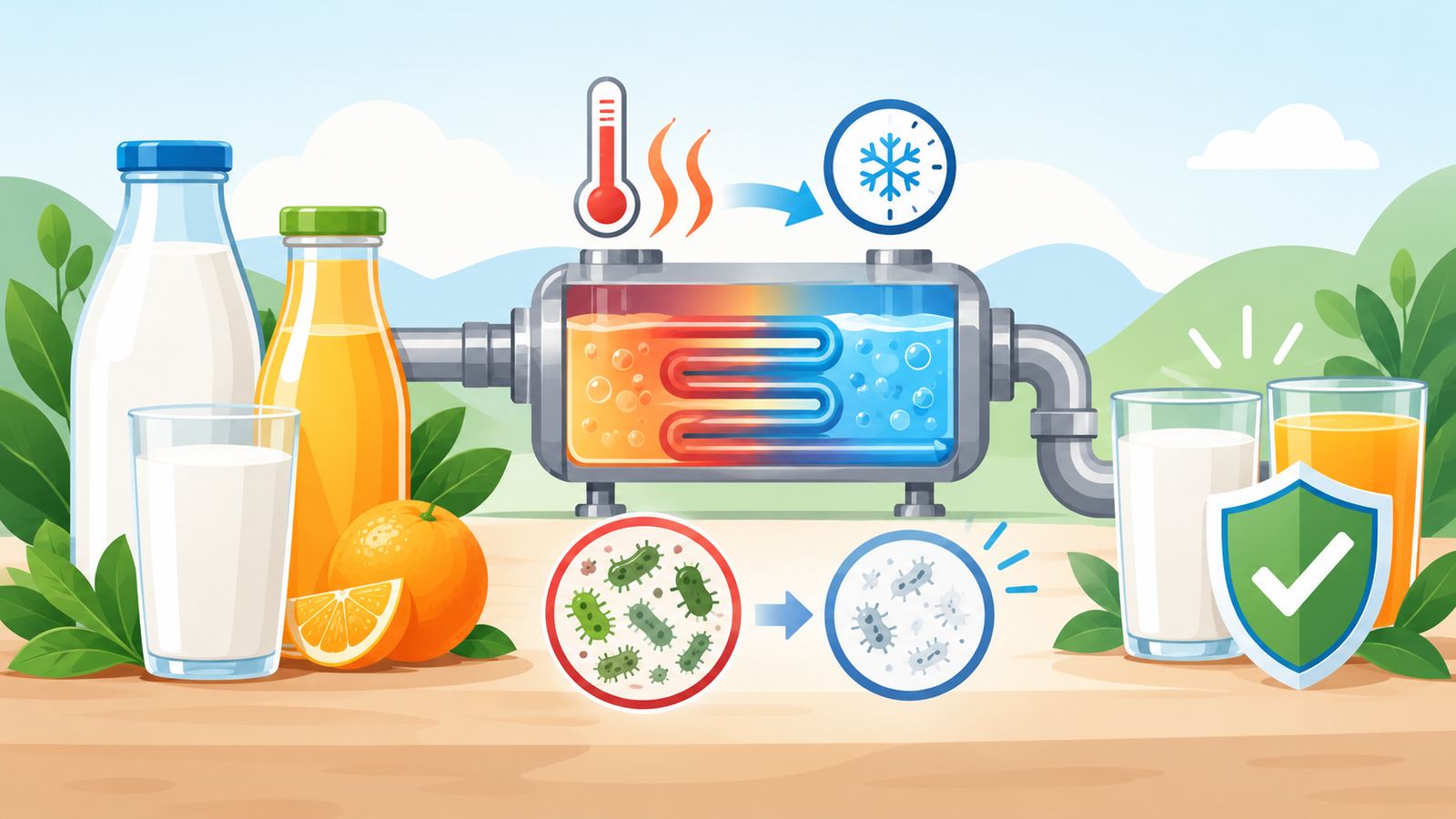
Have you ever wondered why milk stays fresh in the fridge? Or why some fruit juices last longer than others? One reason is Pastorizasyon. This heat process helps kill harmful bacteria in food and drinks. It also helps products last longer while keeping most of their taste and nutrients.
Pastorizasyon is widely used in food production. It helps make milk, juice, liquid eggs, and other products safer to consume. The process also slows food spoilage and helps reduce the risk of illness caused by germs.
The process is simple. Food is heated to a set temperature for a set time. It is then cooled quickly. The right heat and time depend on the type of food. Here is how the process works, where it came from, and why it matters.
What Is Pastorizasyon?
Pastorizasyon is a heat process that makes food and drinks safer. It reduces harmful bacteria and other germs that may cause illness. The correct Turkish spelling is “pastörizasyon.” In English, it is called “pasteurization.”
The process uses controlled heat instead of boiling. Food is heated to a set temperature and kept there for a short time. This kills many harmful germs while keeping most of the food’s natural taste and nutrients. For example, pasteurized milk still looks and tastes much like fresh milk.
However, pasteurization does not kill every germ. Some bacteria and heat-resistant spores may survive. This means many treated foods still need to be kept cold. Clean handling and safe storage are also needed to keep them fresh.
History and Origin of Pastorizasyon
Pastorizasyon is named after Louis Pasteur, a French scientist. In the 1800s, he studied why wine and beer went bad. His work showed that tiny living organisms were linked to food spoilage. He found that controlled heating could help reduce these germs.
Pasteur showed that heating certain drinks could help keep them from spoiling. This made it easier for producers to store and sell their products. It also helped scientists learn more about germs and how they affect food.
The method later became common in milk production. Raw milk could carry harmful bacteria, and cold storage was not always available. Heating milk helped reduce the risk of illness and made it safer to drink.
Today, food factories use modern machines to control heat and time. These machines help make sure each product gets the right treatment. The basic idea remains the same as it was in Pasteur’s time.
How Does Pastorizasyon Work?
Pastorizasyon uses heat to reduce harmful germs in food. The product is heated to a set temperature and held there for a certain time. The right level of heat depends on the food. Milk, juice, and liquid eggs may need different treatment methods.
The process has three main steps:
- Heating: Food is heated to the required temperature.
- Holding: The food stays at that temperature for a set time.
- Cooling: The food is cooled to a safe storage temperature.
Each step matters. Heating kills many harmful germs. Holding allows the heat to work for enough time. Cooling then helps slow the growth of any germs that remain. For example, standard milk can be pasteurized at 72°C for 15 seconds.
Food factories use special machines to control these steps. They check the heat, treatment time, and flow of the product. Clean pipes, tanks, and packaging also help stop germs from entering the food again. Without proper care, treated food can become unsafe after heating.
Main Types of Pastorizasyon
There are different ways to treat food with heat. Each method uses its own temperature and treatment time. Some methods take longer and work well for small batches. Others use higher heat for a few seconds and are better for large food factories.
Three common methods are LTLT, HTST, and UHT. LTLT and HTST are standard ways to pasteurize milk. UHT uses much higher heat and sterile packaging to make milk last longer without a fridge before opening.
Low-Temperature Long-Time (LTLT)
LTLT means Low-Temperature Long-Time. It is also called batch pasteurization. Milk is heated to at least 63°C and held there for 30 minutes. It is then cooled to the right storage temperature.
This method is useful for small amounts of milk. It can be done in a heated tank and does not need a large production system. However, it takes more time than other methods, so it may not be the best choice for large factories.
High-Temperature Short-Time (HTST)
HTST means High-Temperature Short-Time. It is widely used to treat fresh milk. In this method, milk is heated to at least 72°C for 15 seconds. It is then cooled quickly.
This method is fast and works well for large amounts of milk. It helps keep the milk’s normal taste and nutrients. Many types of fresh milk sold in stores use HTST or another approved heat treatment.
Ultra-High-Temperature (UHT)
UHT means Ultra-High-Temperature. It uses much higher heat than regular pasteurization. Milk is often heated to 135°C to 150°C for a few seconds. It is then packed in sterile containers.
UHT treatment and sterile packing make milk safe to store at room temperature while the pack stays sealed. Unopened UHT milk can often last for several months when stored as directed.
This makes UHT milk useful where fridge space is limited. It may taste slightly different because of the stronger heat. Once opened, UHT milk must be kept in the fridge and used as directed on the pack.
Pastorizasyon Temperature and Time
Heat and time are the two main parts of Pastorizasyon. Lower heat often needs more time to kill harmful germs. Higher heat can work in seconds. The goal is to make food safer without changing its taste or quality too much.
For example, milk can be heated to 63°C for 30 minutes. Another method uses 72°C for 15 seconds. Both are approved ways to pasteurize standard milk when the full process is done correctly.
The table below shows common milk treatment methods.
| Method | Temperature | Time |
|---|---|---|
| LTLT | 63°C (145°F) | 30 minutes |
| HTST | 72°C (161°F) | 15 seconds |
| UHT | 135–150°C (275–302°F) | A few seconds |
These heat levels are mainly used for milk. Other foods may need different temperatures and times. Milk with more fat or added sugar may also need higher heat under food safety rules.
Food factories use machines to measure heat and time during treatment. If the product does not reach the required level, it cannot be treated as safe under that process. It may need to be heated again or kept from sale. These checks help protect consumers.
Why Is Pastorizasyon Important for Milk?
Milk is one of the most common foods treated by Pastorizasyon. Raw milk may carry harmful bacteria, even when it comes from healthy animals. Germs can enter milk during collection, handling, or storage. Drinking milk that contains these germs can cause serious illness.
Some harmful bacteria found in raw milk include:
- Salmonella: Can cause fever, diarrhea, and stomach pain.
- Listeria: Can cause serious illness, mainly in high-risk groups.
- E. coli: Some types can cause severe stomach problems and kidney damage.
- Campylobacter: Can cause diarrhea, fever, and stomach cramps.
These germs cannot always be seen or smelled. Raw milk may look fresh but still contain harmful bacteria. Pasteurization helps kill these germs and lowers the risk of food poisoning.
Some people face a higher risk of serious illness from raw milk. These include young children, pregnant people, adults over 65, and people with weak immune systems. Health experts advise choosing pasteurized milk instead of raw milk.
Heat treatment also helps milk stay fresh longer by reducing germs that cause spoilage. However, regular pasteurized milk still needs refrigeration. Keeping it cold helps slow bacterial growth and keeps it safer after treatment.
Foods and Drinks That Use Pastorizasyon
Pastorizasyon is used for more than milk. Many food and drink makers use controlled heat to reduce germs and slow spoilage. It is helpful for products that may contain harmful bacteria but can lose quality if heated too much.
Common products that may be pasteurized include:
- Milk and cream: Heating reduces harmful germs in dairy products.
- Fruit juice: Treatment helps make juice safer to drink.
- Liquid eggs: Heat reduces the risk of Salmonella.
- Beer: Some makers use heat to prevent spoilage.
- Wine and cider: Treatment can help control unwanted germs.
- Sauces: Some packaged sauces are heated for safety and longer storage.
- Pickled foods: Certain products use heat to control spoilage.
Pastorizasyon in Fruit Juice
Fruit juice can contain harmful germs from fruit, water, or equipment. Even fresh juice may become unsafe if bacteria enter it during preparation. Heating the juice under controlled conditions helps reduce this risk.
Different juices need different treatment methods. Their acidity, ingredients, and packaging can affect how much heat is needed. Juice makers choose methods that improve safety without changing the flavor too much.
Pastorizasyon in Eggs and Other Foods
Liquid eggs are another common product that can be pasteurized. Raw eggs may contain Salmonella, a germ that can cause food poisoning. Controlled heat helps reduce this risk while keeping the eggs useful for cooking and baking.
Some sauces, packaged foods, and drinks also use heat treatment. The right method depends on the food and the germs that need to be controlled. Too much heat can change the taste, color, or texture, so food makers must use the correct settings.
Not every food needs pasteurization. Some products use other safety methods instead. Checking the label can help you learn how a product was treated and how it should be stored.
Does Pastorizasyon Affect Nutrients and Taste?
Pastorizasyon makes food safer, but many people wonder if heating removes important nutrients. The good news is that most nutrients stay in the food after treatment. The process uses controlled heat, so the changes are usually small. Milk, for example, keeps most of its protein, fat, calcium, and other key nutrients.
Some vitamins are more sensitive to heat than others. Small amounts of certain vitamins may be lost during pasteurization. However, these changes do not greatly reduce the nutritional value of milk. The safety benefits are much more important than the small loss of some vitamins.
Taste can also change a little during heating. Regular pasteurized milk often tastes much like fresh milk. UHT milk may have a slightly cooked flavor because it uses higher heat. The same can happen with fruit juice and other drinks if too much heat is used.
Does Pasteurization Reduce Milk Nutrition?
Pasteurized milk still contains the main nutrients your body needs. These include calcium, protein, fat, and several vitamins. Calcium helps keep bones strong, while protein supports growth and body repair. Pasteurization does not remove these nutrients in large amounts.
Raw milk and pasteurized milk have similar main nutritional values. The biggest difference is safety. Raw milk can carry harmful bacteria, while pasteurization greatly lowers this risk. This makes pasteurized milk a safer choice for daily use.
Pastorizasyon vs. Sterilization
Pastorizasyon and sterilization both use heat to control germs. However, they have different goals. Pasteurization reduces harmful bacteria and many germs that cause spoilage. Sterilization uses stronger treatment to destroy a much wider range of microorganisms.
Standard pasteurization does not kill all bacteria or bacterial spores. Some heat-resistant forms can survive. Sterilization uses stricter conditions to control these organisms. The exact heat and time depend on the food, its packaging, and the method used.
The main difference can also be seen in storage. Regular pasteurized milk must be kept cold. UHT milk can often stay at room temperature while unopened because it receives stronger heat treatment and is packed in sterile containers.
| Feature | Pasteurization | Sterilization |
|---|---|---|
| Main goal | Reduce harmful germs | Destroy or control a much wider range of germs |
| Heat level | Usually lower | Usually higher or stronger |
| Bacterial spores | Some may survive | Designed to control resistant forms |
| Storage | Often needs refrigeration | Can allow room-temperature storage |
| Taste changes | Usually small | May be more noticeable |
| Common examples | Fresh milk and juice | Canned foods and sterilized milk |
Is UHT the Same as Sterilization?
UHT is a form of high-heat food treatment. It uses very high temperatures for a short time. When paired with sterile packaging, it produces milk that is commercially sterile. This means harmful germs and other microbes that could grow during sealed storage have been controlled.
UHT milk is not the same as regular fresh pasteurized milk. It lasts longer while sealed and can often be stored without a fridge. Once opened, it needs cold storage just like regular milk.
Main Benefits of Pastorizasyon
The main benefit of Pastorizasyon is better food safety. Harmful bacteria can cause stomach pain, diarrhea, fever, and other health problems. Controlled heating helps kill these germs before food reaches consumers. This lowers the risk of illness from products such as milk and juice.
Another benefit is longer shelf life. Many foods spoil because bacteria and other microbes grow over time. Pasteurization reduces many of these organisms, which helps slow spoilage. This can give stores and consumers more time to use products safely when they are stored as directed.
The process also helps food companies handle large amounts of food. Products can be treated, packed, and sent to stores under controlled conditions. This helps reduce waste and supports safer food delivery.
Key Benefits for Consumers
Pasteurization offers several useful benefits in daily life:
- Better safety: Reduces harmful bacteria that can cause illness.
- Longer shelf life: Helps certain foods stay usable for more time.
- Less food waste: Slows spoilage when products are stored correctly.
- Good nutritional value: Keeps most important nutrients in the food.
- Better product quality: Helps control germs without major changes to taste or texture.
These benefits are useful for families, shops, and food makers. For example, pasteurized milk can be stored in the fridge and used over several days when handled correctly. Without proper treatment, raw milk may carry a greater risk of harmful germs.
Still, pasteurization works best when paired with clean packaging and safe storage. Heating alone cannot protect food from every problem. Producers and consumers both have a role in keeping treated food safe.
Limitations and Risks of Pastorizasyon
Pastorizasyon is an effective food safety process, but it has limits. It does not destroy every type of microorganism. Some heat-resistant bacteria and spores may survive the treatment. These can cause problems if the food is stored under poor conditions.
Food can also become unsafe after pasteurization. For example, bacteria may enter milk through dirty equipment or damaged packaging. Germs can also spread when people use unclean containers or leave products open. This is why hygiene matters during and after food production.
Wrong heating conditions can create another risk. If food does not reach the required temperature or stay heated long enough, harmful bacteria may survive. Food factories use checks and safety controls to help prevent this problem.
Can Pasteurized Food Still Spoil?
Yes, pasteurized food can still spoil. The process reduces germs but does not stop all future bacterial growth. Regular pasteurized milk can go bad if it stays warm for too long or is stored past its safe use period.
Signs of spoiled milk may include a sour smell, lumps, or changes in texture. However, harmful bacteria do not always cause clear changes in smell or appearance. Food may look normal and still be unsafe.
The safest choice is to follow the storage instructions on the pack. Keep chilled products cold, use clean containers, and avoid leaving food at room temperature for long periods. Do not taste food just to check if it is safe.
How to Store Food After Pastorizasyon
Proper storage is important after Pastorizasyon. Heat treatment makes food safer, but storage conditions help keep it that way. Different products have different needs. Regular pasteurized milk usually needs refrigeration, while unopened UHT milk can often be kept at room temperature.
For chilled milk, the fridge should be kept at 4°C (40°F) or below. Cold temperatures slow the growth of bacteria. Milk should also be kept in a clean, closed container to help protect it from germs and unwanted smells.
Always check the storage label. Some products need to be used soon after opening, even if the printed date is still several days away. The correct storage time depends on the product and how it was packed.
Storing Regular Pasteurized Milk
Regular pasteurized milk should stay in the fridge before and after opening. Keep it at 4°C (40°F) or below. Do not leave it on the kitchen counter for long periods, especially during hot weather.
Close the container after each use. Avoid drinking straight from the bottle or carton, as this can add germs to the milk. If the milk has been left out too long, it may no longer be safe to use.
Storing UHT Milk
Unopened UHT milk can usually be stored in a cool, dry place at room temperature. The pack must stay sealed and undamaged. Always follow the storage instructions given by the maker.
Once the pack is opened, UHT milk needs refrigeration. It should be used within the period shown on the label. Opening the pack allows new germs to enter, so the milk no longer has the same long shelf life.
Simple Food Storage Tips
Good storage habits can help keep pasteurized food safe.
- Keep chilled foods at 4°C (40°F) or below.
- Check storage labels before opening a product.
- Keep food packs and containers closed.
- Use clean spoons, cups, and other tools.
- Do not leave chilled foods at room temperature for more than two hours, or one hour above 32°C (90°F).
- Throw away products that show signs of spoilage.
These steps help protect food after heat treatment. They are useful for milk, juice, sauces, and other products that need cold storage.
Common Myths About Pastorizasyon
There are many wrong ideas about Pastorizasyon. Some people believe it removes all nutrients from milk. Others think pasteurized food never goes bad. These beliefs can lead to poor food choices and unsafe storage habits.
One common myth is that raw milk is always better because it has not been heated. Raw milk does contain nutrients, but it can also carry dangerous bacteria. Pasteurized milk keeps most of the same nutrients while greatly reducing the risk of foodborne illness.
Another myth is that all pasteurized products can stay outside the fridge. This is not true. Storage depends on the type of treatment and packaging. Fresh pasteurized milk normally needs refrigeration, while sealed UHT milk can often be stored at room temperature.
Does Pasteurization Remove All Nutrients?
No. Pasteurization does not remove all nutrients from food. Most of the protein, calcium, fat, and other main nutrients in milk remain after treatment.
Some heat-sensitive vitamins may decrease slightly. However, the nutritional value stays largely the same. The process helps make food safer without causing major nutrient loss.
Does Pastorizasyon Kill Every Germ?
No. Standard pasteurization kills many harmful germs, but it does not make food fully sterile. Some heat-resistant microbes and bacterial spores can survive.
This is why proper storage is still important. Cold temperatures, clean packaging, and safe handling help stop harmful growth after treatment.
Is Raw Milk Safer Than Pasteurized Milk?
No. Raw milk may contain harmful germs even if it comes from healthy animals. These germs can cause serious illness and may not change the milk’s taste or smell.
Pasteurization lowers this risk. It makes milk safer to drink while keeping most of its nutritional value. Health experts recommend pasteurized milk instead of raw milk.
Can All Pasteurized Products Stay Outside the Fridge?
No. Regular pasteurized milk and many other chilled products must be refrigerated. Leaving them warm can allow bacteria to grow.
Some products, such as unopened UHT milk, can stay at room temperature because of their stronger heat treatment and sterile packaging. Always follow the label rather than assuming every treated product has the same storage needs.
Conclusion
Pastorizasyon is an important food safety process that uses controlled heat to reduce harmful germs. It is used in milk, fruit juice, liquid eggs, and many other foods. The process helps lower the risk of illness while keeping most nutrients and much of the original taste.
Different methods use different levels of heat and treatment time. LTLT and HTST are common ways to pasteurize milk, while UHT uses stronger heat for longer shelf life. Each method has its own purpose and storage needs.
Pasteurization makes food safer, but it does not replace good hygiene and proper storage. Keeping chilled foods cold, checking labels, and using clean containers are still important. Together, these steps help protect food from harmful bacteria and early spoilage.
FAQs
What does Pastorizasyon mean?
Pastorizasyon means pasteurization. It is a heat treatment used to reduce harmful bacteria in food and drinks.
What are the main types of Pastorizasyon?
The main methods are LTLT and HTST. UHT is a stronger heat treatment used for long-life products such as shelf-stable milk.
What temperature is used for Pastorizasyon?
Standard milk can be pasteurized at 63°C for 30 minutes or 72°C for 15 seconds. Other foods may need different heat levels and treatment times.
Does Pastorizasyon kill all bacteria?
No. It kills many harmful bacteria, but some heat-resistant microorganisms may survive. Proper storage is still needed.
Is pasteurized milk healthier than raw milk?
Pasteurized milk is the safer choice. It keeps most of the nutrients found in raw milk while greatly reducing the risk of harmful bacteria.

Babeltee is a term found on websites about tea and modern drinks. It sounds like bubble tea, but the two names do not have the same meaning. Some websites describe it as a drink made with tea, fruit, herbs, milk, and other flavors.
Babeltee has no confirmed origin or standard recipe. It is often used online to describe tea drinks that people can make to suit their taste. This guide covers its meaning, possible origin, ingredients, tea types, and popular flavors.
What Is Babeltee?
Babeltee is an online term used for different tea drinks. These drinks may contain black tea, green tea, fruit, herbs, milk, or sweeteners. Some recipes also include tapioca pearls or other toppings.
For example, one drink may contain green tea, mango, lemon, and mint. Another may use black tea, milk, honey, and tapioca pearls. Both can be called Babeltee in online recipes, even though their ingredients are different.
However, Babeltee is not a recognized tea variety. It has no fixed recipe or widely accepted meaning. The term is mainly used by websites to describe different tea ideas.
Where Did Babeltee Come From?
The exact origin of Babeltee is unknown. There are no reliable records showing who created the name, when it first appeared, or where it started.
The name looks and sounds similar to bubble tea. This may explain why the two terms appear together online. Some people may also use Babeltee as a creative name for a drink or website.
Several articles published in 2026 describe it as a tea drink made with fruit, herbs, and milk. However, these articles do not confirm its origin. There is no verified creator, original recipe, or country linked to the name.
Is Babeltee the Same as Bubble Tea?
Babeltee and bubble tea may use similar ingredients, but they are not the same established drink. Bubble tea began in Taiwan during the 1980s. It is also called boba tea or pearl milk tea. Many versions contain tea, milk, sweeteners, and chewy tapioca pearls.
Two tea houses in Taiwan, Chun Shui Tang and Hanlin Tea Room, have been linked to the creation of bubble tea. However, the identity of its first creator remains disputed. Today, bubble tea comes in many flavors, including fruit tea, milk tea, and drinks with jelly or popping pearls.
Babeltee has no similar history. Some suggested recipes use the same ingredients as bubble tea, while others contain only tea, fruit, and herbs.
| Feature | Babeltee | Bubble Tea |
|---|---|---|
| Meaning | Informal online term | Established tea drink |
| Origin | Unknown | Taiwan |
| History | Not confirmed | Began in the 1980s |
| Main ingredients | Change by recipe | Tea, often with milk or fruit |
| Tapioca pearls | Optional in suggested recipes | Common but not always used |
| Recipe | No fixed method | Many known styles |
| Availability | No established drink category | Sold worldwide |
Bubble tea has a known history and common styles. Babeltee has no official recipe or confirmed background.
What Ingredients Are Used in Babeltee?
The ingredients depend on the type of drink being made. Most suggested recipes begin with brewed tea. Common choices include black tea, green tea, white tea, oolong, jasmine, matcha, and herbal infusions.
Fruit is often added for flavor. Mango, strawberry, peach, lemon, orange, pineapple, kiwi, and berries are common choices. Mint and basil add a fresh taste, while ginger and cinnamon give a warmer flavor.
Milk and sweeteners are optional. Dairy milk, oat milk, soy milk, and coconut milk can make the drink creamy. Honey, sugar, and maple syrup add sweetness. Some recipes also include tapioca pearls, fruit jelly, or popping boba.
These are suggested ingredients for homemade tea drinks. There is no confirmed list of ingredients required for Babeltee.
Best Tea Bases for Babeltee
The type of tea changes the flavor of the drink. Strong teas work well with milk and sweet ingredients. Lighter teas often taste better with fruit and herbs.
Black tea has a strong taste. It pairs well with milk, peach, honey, and brown sugar. Green tea is lighter and works with mango, strawberry, lemon, and mint. Oolong tea can have a floral or roasted taste and pairs well with peach and pineapple.
White tea has a mild flavor that works with pear and berries. Jasmine tea has a floral smell and pairs well with mango or lychee. Matcha has a rich, earthy taste and is often mixed with milk or vanilla.
Herbal infusions offer more choices. Hibiscus has a tart taste, while peppermint feels cool and fresh. Chamomile and rooibos are also options.
| Tea base | Taste | Good ingredients to add |
|---|---|---|
| Black tea | Strong and rich | Milk, peach, honey |
| Green tea | Light and fresh | Mango, lemon, mint |
| Oolong tea | Floral or roasted | Peach, pineapple |
| White tea | Mild | Pear, berries |
| Jasmine tea | Light and floral | Lychee, mango |
| Matcha | Rich and earthy | Oat milk, vanilla |
| Hibiscus | Tart and fruity | Orange, berries |
| Peppermint | Cool and fresh | Lemon, ginger |
Black, green, white, and oolong teas contain caffeine. Matcha also contains caffeine. Pure peppermint and chamomile infusions are usually caffeine-free. Always check the label when choosing a tea blend.
Popular Babeltee Flavors and Combinations
Different fruits, herbs, and milk options can change the taste of a tea drink. Most combinations need only a few ingredients.
Mango and green tea make a fruity drink that pairs well with lime. Strawberry and mint give green tea a fresh taste. Peach works with black tea or oolong. Pineapple and passion fruit are also good choices for fruit tea.
For creamy drinks, black tea can be mixed with milk and brown sugar. Matcha works with oat milk and vanilla. People who want a caffeine-free option can try hibiscus with berries and orange or peppermint with lemon.
| Flavor combination | Main ingredients | Taste |
|---|---|---|
| Mango Lime Tea | Green tea, mango, lime | Fruity and fresh |
| Strawberry Mint Tea | Green tea, strawberry, mint | Light and fresh |
| Peach Oolong Tea | Oolong tea, peach | Smooth and fruity |
| Brown Sugar Milk Tea | Black tea, milk, brown sugar | Rich and creamy |
| Vanilla Matcha Tea | Matcha, oat milk, vanilla | Creamy and earthy |
| Berry Hibiscus Tea | Hibiscus, berries, orange | Tart and fruity |
| Lemon Mint Tea | Peppermint infusion, lemon | Cool and fresh |
The right combination depends on personal taste. Black tea and milk work well for a rich drink. Green tea with fruit is a lighter choice. Herbal infusions offer more options for people who want to avoid caffeine.
How to Make Babeltee at Home
Making Babeltee at home is easy. You need brewed tea, fresh fruit, herbs, and a few basic kitchen tools. The drink can be served hot or cold.
For a simple fruit tea, use one cup of green tea, mango or strawberry pieces, fresh mint, and ice. Add honey or sugar if you want a sweeter drink.
First, brew the tea and remove the tea leaves or bag. Let it cool before adding fresh fruit. This helps keep the fruit fresh and stops the ice from melting too quickly.
Simple steps to make it:
- Brew one cup of green or black tea.
- Remove the tea leaves or tea bag.
- Let the tea cool for a cold drink.
- Wash and cut the fruit into small pieces.
- Add the fruit and fresh herbs.
- Mix in honey or sugar if needed.
- Serve cold with ice.
For milk tea, brew strong black tea and add milk and a little sweetener. You can also add cooked tapioca pearls. Follow the cooking instructions on the pearl package.
How to Customize Your Babeltee Drink
Babeltee-inspired drinks can be made with different teas, fruits, milk, and toppings. You can change the ingredients based on your taste.
For fruit tea, try green tea with mango, peach, strawberry, or lemon. Jasmine and oolong tea also work well with fruit. For a creamy drink, mix black tea or matcha with milk.
You can make the drink without dairy milk or added sugar. Oat, soy, and coconut milk are common options. Fresh fruit adds flavor and some natural sweetness.
Toppings are optional. Tapioca pearls add a chewy texture, while fruit jelly and popping boba offer different tastes and textures. You can also enjoy the drink without toppings.
Is Babeltee Healthy?
The health value of Babeltee depends on its ingredients. Plain tea with fresh fruit and little added sugar can be part of a balanced diet. Drinks with large amounts of syrup, sweetened milk, or toppings may contain more sugar and calories.
Green, black, white, and oolong teas contain plant compounds called polyphenols. Some of these act as antioxidants. However, there is no proof that Babeltee itself has special health benefits.
Brewed tea also provides fluid. Fresh fruit may add vitamins and other nutrients, depending on the amount used.
Caffeine levels depend on the tea base. Black tea, green tea, and matcha contain caffeine. Pure peppermint, chamomile, and rooibos infusions are usually caffeine-free.
Added sugar also matters. Honey, sugar, and syrups all increase the sweetness of the drink. Using less can help lower sugar intake.
Common Mistakes When Making Babeltee
Brewing tea for too long can make it bitter. Follow the brewing instructions and remove the tea leaves when the tea is ready.
Adding too much sugar can hide the natural taste of tea and fruit. Start with a small amount and taste before adding more.
Using too many strong flavors can also affect the drink. Choose one main flavor and one or two ingredients that work well together.
Fresh lemon or lime can cause dairy milk to separate. These fruits are better suited to tea drinks without milk.
For iced drinks, cool the tea before adding ice. This helps prevent the ice from melting too fast and making the drink watery.
Is Babeltee a Real Brand or Website?
Babeltee is also used as a website name. As of October 2026, Babeltee.com mainly publishes articles about time calculations rather than tea or beverages.
Its articles explain how to calculate past times, such as what time it was several hours earlier. The website does not present itself as a tea company on its homepage.
The name also appears on Babeltee.co.uk, which publishes general articles, including content about T-shirts and fashion.
There is no clear evidence that Babeltee is one established tea brand or an officially recognized drink. The meaning depends on how the name is used.
What Should You Know Before Trying Babeltee?
Before trying Babeltee, check the ingredients. The name does not refer to one fixed recipe. Some versions may contain fruit tea, milk tea, herbal tea, or tapioca pearls.
If you find the drink on a café menu, ask about the tea base, milk, sugar, and toppings. Check the caffeine content if you need to limit caffeine.
People with food allergies should also check the ingredients. Dairy, soy, and nut-based milk may cause allergic reactions in some people.
For homemade drinks, start with a tea you enjoy. Add fresh fruit or herbs and adjust the sweetness to your taste.
Conclusion
Babeltee is an online term used for different tea-based drinks. Its exact origin is unknown, and it has no confirmed traditional recipe. Although its name resembles bubble tea, the two are not officially the same.
A Babeltee-inspired drink can be made with brewed tea, fruit, herbs, milk, or optional toppings. The ingredients determine its taste, caffeine content, and nutritional value.
FAQs
What is Babeltee?
Babeltee is an informal online term for different tea-based drinks, with no official recipe or widely accepted meaning.
Is Babeltee another name for bubble tea?
No confirmed connection exists. Bubble tea is an established Taiwanese drink, while Babeltee has no verified beverage history.
What ingredients are used in Babeltee?
Suggested recipes include black tea, green tea, fruit, herbs, milk, sweeteners, and optional tapioca pearls.
Can I make Babeltee at home?
Yes. Brew tea, add fruit or herbs, adjust the sweetness, and serve it hot or cold.
Is Babeltee healthy?
Its nutritional value depends on the ingredients, especially the amount of added sugar, milk, and toppings.

The Princes of Eilean Aigas: A Forgery, the Crawford Tartan, and the Right Green Socks

TechTrendery.com: Everything You Need to Know About This Website

Donna Sicuranza: Her Role at TEAM and Contributions to Animal Welfare

Nancy Simon: Meet Neil Simon’s Daughter and Woody Harrelson’s Ex Wife

Who Was Russell Derek? Inside The Life of John Derek’s Son

Who is Kassidy Duhamel? All About the Life of Josh Duhamel’s Sister
-
 Celebrity1 month ago
Nancy Simon: Meet Neil Simon’s Daughter and Woody Harrelson’s Ex Wife
-
 Biographies4 months ago
Who Was Russell Derek? Inside The Life of John Derek’s Son
-
 Biographies3 months ago
Who is Kassidy Duhamel? All About the Life of Josh Duhamel’s Sister
-

 Biographies3 months ago
Steven Fleischmann: Inside the Love Story of Erin Moran and Her Husband
-

 Biographies4 months ago
Caleb Michael Jackson: The Untold Story of Lisa Vultaggio and Jonathan Jackson’s Son
-

 Biographies4 months ago
Micah Emmanuel Lanfer: All About the Life of Sarah Drew and Peter Lanfer’s Son
-

 Biographies3 months ago
Mackenzie Stiles: The Real Story of Ryan Stiles’ Daughter
-

 Biographies4 months ago
Who is Bear Beghe? All About the Life of Jason Beghe’s Son
Pingback: Masgonzola Guide: Gorgonzola and Mascarpone in One Creamy Cheese - Headline Radar