
Health
Dental practice in Felixstowe: how integrated digital technology is changing the patient experience


Digital technology is transforming the way dental professionals collect clinical information, evaluate oral health and communicate with patients. Beyond the individual instruments available, one of the most significant developments is the ability to integrate different technologies into a coordinated clinical workflow. For those searching for a dental practice in Felixstowe, understanding this approach can offer a useful perspective on how contemporary dentistry is evolving. A&L Clinics, located in nearby Ipswich, incorporates digital scanning, in-house diagnostic imaging and computer-assisted design into its clinical environment, supporting a more connected approach to patient care.
What is an integrated digital workflow in dentistry?
An integrated digital workflow is a system in which different technologies contribute to successive stages of dental care. Rather than collecting information through separate procedures that remain disconnected, digital systems allow clinical records, images and three-dimensional models to be brought together. This creates a more comprehensive representation of the patient’s oral condition and provides a foundation for subsequent clinical decisions.
The defining characteristic of this approach is not simply the availability of modern equipment, but the connection between information collection, analysis and planning. Each digital instrument performs a specific function, while the information it generates can complement findings obtained through other methods. At A&L Clinics, the availability of multiple digital technologies within the same clinical environment reflects this approach, supporting the integration of information throughout different stages of care.
Why is integrated technology important when choosing a dental practice in Felixstowe?
Patients evaluating dental practices may encounter references to advanced equipment without necessarily understanding its practical significance. A scanner, imaging system or computer-assisted design platform can provide valuable information, but its contribution depends on how effectively it is incorporated into clinical procedures. The ability to connect different diagnostic and planning stages is therefore an important consideration when evaluating a technologically equipped dental environment.
For residents of Felixstowe considering dental care in nearby Ipswich, the availability of diagnostic equipment within a single location may also simplify certain aspects of appointment organisation. At A&L Clinics, the presence of in-house diagnostic technology can reduce the need for external imaging appointments when the available equipment meets the patient’s clinical requirements. This organisational advantage can be particularly relevant when several types of information are needed before a clinical decision can be made.
How do intraoral scanners change the way dental information is collected?
Traditional dental impressions involve placing a tray containing impression material inside the mouth to reproduce the shape of the teeth and surrounding structures. Intraoral scanners offer an alternative by capturing a series of optical images that are combined into a three-dimensional digital model. The resulting representation can be examined on a computer screen and used for various clinical purposes.
At A&L Clinics, intraoral scanning technology supports the collection of digital information about the dental arches. One practical advantage is the possibility of reviewing the quality of the scan immediately and capturing additional images of specific areas when necessary. Digital scanning may also be more comfortable for patients who find conventional impression materials difficult to tolerate, although the suitability of each technique depends on the clinical situation.
What is the advantage of having three-dimensional diagnostic imaging in-house?
While an intraoral scanner records visible surfaces within the mouth, radiographic imaging provides information about structures that cannot be directly observed during a conventional examination. Different radiological technologies offer different levels of detail, depending on the area being investigated and the purpose of the examination. Three-dimensional imaging can be particularly useful when the spatial relationships between anatomical structures need to be assessed.
A&L Clinics has an in-house Cone Beam Computed Tomography system, commonly referred to as CBCT, alongside panoramic and other digital radiography equipment. Having these diagnostic resources available within the practice allows clinicians to obtain additional information when clinically justified. However, three-dimensional imaging is not necessary for every patient, and its use must always be based on an assessment of the expected diagnostic benefit and associated radiation exposure.
How does computer-assisted design connect clinical information with digital production?
One of the most significant developments in digital dentistry is the possibility of transferring information from a clinical examination into a computer-assisted design environment. Digital models can be analysed and used to develop virtual designs that reflect the anatomical characteristics of an individual patient. This creates a connection between the initial collection of information and the subsequent production stages.
The availability of CAD/CAM technology and three-dimensional printing at A&L Clinics supports this integration between clinical records, digital design and manufacturing. Depending on the clinical requirements, digital information can be used to produce models or personalised dental components. Nevertheless, the quality of the final outcome remains dependent on accurate data collection, appropriate material selection, professional expertise and clinical verification.
Can digital technology improve coordination between dental professionals?
Dental care may involve several professionals who contribute different types of information at different stages. When clinical records are available in digital form, relevant images and models can be reviewed by the professionals involved in the patient’s care. This can support a more consistent understanding of the clinical situation and facilitate communication between different areas of professional responsibility.
The integration of digital records and laboratory workflows may also reduce the need to reproduce certain types of information manually. At A&L Clinics, the availability of digital scanning and computer-assisted technologies provides resources that can support communication between clinical and technical professionals. The effectiveness of this system, however, depends on appropriate coordination, accurate record management and the careful interpretation of information by the individuals responsible for each stage.
How can patients benefit from digital visualisation?
Clinical terminology can sometimes make dental information difficult to understand, particularly when the structures being discussed are not easily visible. Digital models and images provide a visual reference that can help explain anatomical characteristics, areas of concern and the reasons behind certain clinical recommendations. This allows information to be presented in a more accessible format without oversimplifying its significance.
At A&L Clinics, digital pre-visualisation technology can also support discussions about possible changes to dental appearance and alignment. These representations are intended to assist communication and planning rather than guarantee a particular outcome. Their value lies in helping patients understand the proposed objectives, recognise potential limitations and participate more actively in discussions concerning their oral health.
Does digital dentistry replace traditional clinical assessment?
Despite significant technological developments, digital dentistry does not replace the knowledge, experience and judgement of dental professionals. Images and computer-generated models provide information that must be interpreted within the context of the patient’s medical history, symptoms and clinical findings. Even highly detailed digital records cannot independently establish every aspect of a person’s oral health.
The relationship between technology and professional expertise is therefore fundamental. A digitally equipped practice must select instruments according to their actual clinical relevance rather than their novelty. Responsible use of technology involves recognising its limitations, verifying the accuracy of collected information and determining when conventional assessment methods remain appropriate. This balance helps ensure that innovation serves clinical needs rather than becoming an objective in itself.
Dental practice in Felixstowe: the value of a connected digital environment
The evolution of digital dentistry represents more than a transition from traditional instruments to computer-based equipment. Its broader significance lies in the possibility of connecting diagnostic information, visual communication, clinical planning and digital production within a coordinated environment.
At A&L Clinics, the integration of intraoral scanning, in-house three-dimensional imaging, computer-assisted design and digital visualisation reflects this approach. The value of these resources is closely linked to their appropriate clinical application, the expertise of the dental team and the ability to translate complex information into meaningful explanations for patients. Technology becomes a useful component of dental care when it supports professional decision-making while keeping individual patient needs at the centre of the clinical process.

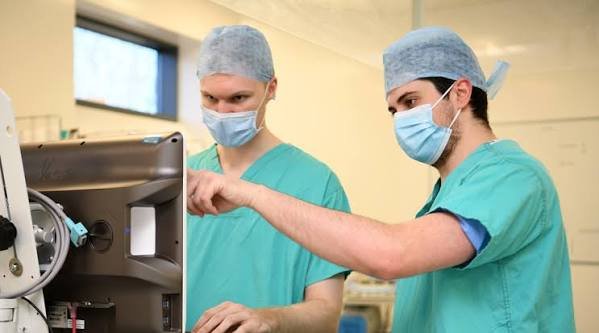
When British patients first consider having cosmetic surgery abroad, the initial spark is almost always financial. Seeing private hospital quotes in London or Manchester climb past £7,000 or £8,000 for a single operation naturally prompts people to look across Europe for better value. Yet price alone rarely convinces someone to board a plane for an elective medical procedure. What turns curiosity into confidence is discovering that leading Polish clinics combine Central European affordability with British clinical training, European Union medical regulations, and direct, surgeon-led care.
Over the past decade, Poland—and particularly medical hubs like Wrocław—has earned a loyal following among UK and Irish patients. Rather than feeling like an unfamiliar leap into the unknown, traveling to Poland for aesthetic surgery often feels more personal and transparent than booking through a high-street British clinic chain.
British Training and International Surgical Pedigree
One of the strongest reasons UK patients feel at ease in Poland is the professional background of the surgeons leading top private clinics. Many prospective patients worry about language barriers or cultural misunderstandings around aesthetic goals—for example, wanting natural-looking breast proportions rather than an exaggerated look, or subtle facial rejuvenation instead of obvious tightness.
Leading clinics in Wrocław eliminate that barrier entirely because their surgical teams have spent years practicing directly inside the UK and Western European healthcare systems. For example, Dr. Adam Kalecinski brings over 25 years of dedicated cosmetic surgery experience to his practice, including 15 years working in Britain—among them a role on the cosmetic surgery team at Queen Elizabeth Hospital in London—and over 10,000 completed procedures. Alongside him, specialist consultant surgeons such as Dr. Wojciech Berendt, a member of the Polish Society of Plastic and Reconstructive Surgery with extensive hospital reconstructive training, and female plastic surgeon Dr. Nawall Matar give patients genuine choice and deep clinical expertise.
Informed consent becomes effortless when you sit down for a consultation with a surgeon who understands British clinical standards and speaks fluent English. Every incision line, implant profile, and recovery milestone is discussed directly between you and the doctor performing your operation—never filtered through a commission-based salesperson.
Strict European Union Standards in Every Operating Theater
A common myth surrounding affordable surgery overseas is that lower prices must mean older equipment or looser hygiene rules. Because Poland is a full member of the European Union, private surgical clinics must comply with strict EU Medical Devices Regulations, sterilization protocols, and clinical governance inspections.
State-of-the-art clinics in Wrocław operate dedicated, purpose-built operating theaters using the exact same European-certified cohesive gel implants, surgical sutures, and modern anesthetic monitoring technology found in leading UK private hospitals. Furthermore, UK citizens traveling to Poland can carry their Global Health Insurance Card (GHIC) or valid EHIC for state-funded emergency medical cover during their trip—an extra layer of practical reassurance that non-EU destinations cannot provide.
Transparent 2026 Pricing Without Hidden Hospital Add-Ons
What surprises many British patients most is how straightforward every Cosmetic surgery price is in Poland compared to UK private hospitals, where initial quotes frequently exclude consultation fees, blood work, anesthesia, or overnight stays. In Poland, lower commercial rents, reduced administrative overhead, and favorable currency exchange rates allow clinics to offer bundled prices that save UK patients 30% to 60% while keeping clinical care front and center.
Across popular procedures in 2026, baseline costs in Poland illustrate why so many British patients make the short trip:
- Breast Surgery: Breast enlargement starts from £3,310 (compared to £5,000–£8,000 in Britain), breast uplift starts from £2,990, combined enlargement with uplift begins at £4,020, and breast reduction starts from £3,630.
- Body Contouring: Tummy tuck (abdominoplasty) procedures start from £3,470, roughly half of typical UK private hospital tariffs, while targeted liposuction starts from £860 for smaller areas like the chin and £1,650 for the abdomen.
- Facial Rejuvenation: Nose correction (rhinoplasty) begins at £2,950, upper or lower eyelid lifts (blepharoplasty) start from £1,330, and full facelifts start from £3,630.
Crucially, these figures already cover your in-person surgeon consultation, full pre-operative examination, general or local anesthesia, an overnight stay at the clinic with round-the-clock nursing care, surgical garments or dressings, and daily post-operative checkups before you fly home.
Zero Upfront Deposits and Real Patient Accountability
High-pressure sales tactics are one of the biggest frustrations British patients report when visiting commercial cosmetic surgery chains at home. In contrast, established Polish clinics build trust through financial transparency and open patient communities.
At Europe Surgery in Wrocław, for instance, patients are not asked to pay an upfront deposit just to hold a surgery date. You travel to Poland, meet your surgeon face to face for a thorough physical assessment, confirm your surgical plan, and settle your treatment fee directly at the clinic only when you are completely ready to proceed. Even better, prospective patients can join active, independent patient communities—such as a Facebook group of more than 18,000 past and current patients—to read unfiltered recovery diaries, view real before-and-after photos, and ask honest questions before booking a single flight.
Short Two-Hour Flights and Calm Daily Aftercare
Trust also grows out of practical logistics. Direct flights from London, Manchester, Birmingham, Bristol, Liverpool, Leeds, and Edinburgh reach Wrocław in roughly two hours—often faster than driving across Britain. Because the clinic sits just ten minutes from Wrocław Airport and offers comfortable accommodation options right across the street (from modern apartments at around £30 per night to partner hotel rooms starting around £23 to £27 per night), recovery is quiet, convenient, and stress-free.
Instead of being discharged hours after surgery and left to navigate traffic home, patients receive daily in-person dressing changes and medical reviews while staying steps away from their surgical team.
A Smarter Way to Approach Cosmetic Surgery Abroad
British patients are not choosing Poland simply because it is cheaper—they are choosing it because the combination of UK-experienced surgeons, EU clinical safety, transparent all-inclusive pricing, and attentive daily aftercare makes complete medical and financial sense. When you take the time to verify your surgeon’s credentials and plan a proper recovery stay, Poland offers a standard of personal care that rivals—and often surpasses—what patients experience at home.
Frequently Asked Questions
Are plastic surgeons in Poland properly qualified and regulated?
Yes. Specialist plastic surgeons in Poland must complete rigorous medical and surgical training, hold official national specialist accreditation, and operate inside clinics governed by European Union healthcare and medical device regulations.
Do I need to pay a deposit before flying to Poland for surgery?
No. Reputable clinics such as Europe Surgery in Wrocław require no advance deposit—you meet your surgeon in person first and pay at the clinic once your surgical plan is confirmed.
What is included in Polish cosmetic surgery prices?
Published prices typically include your initial and in-person surgeon consultations, pre-operative examinations, anesthesia, surgical and hospital fees, an overnight stay at the clinic, dressings and compression wear, and all post-operative checkups during your stay in Poland.
How long do UK patients usually stay in Poland after surgery?
Depending on the procedure, most patients stay between four and seven nights so their surgeon can monitor early healing, change dressings daily, and issue medical clearance before their two-hour flight back to the UK.


Every parent wants their child to thrive, to communicate confidently, to connect with others, and to navigate the world with the tools they need to succeed. For many families raising a child with autism, finding the right support can feel overwhelming. That’s where Applied Behavior Analysis comes in, offering a structured, evidence-based path toward meaningful growth.
At Big Dreamers ABA, we’ve seen firsthand how the right therapeutic approach can transform a child’s daily life. From learning to express needs through words or gestures to developing the patience required for turn-taking during play, these small victories accumulate into something much bigger: a child who feels more capable, more understood, and more connected to the people around them.
This post explores what this therapeutic approach involves, why it’s become one of the most trusted interventions for children with autism spectrum disorder, and how families can find the right support for their unique journey.
What Makes This Therapeutic Approach So Effective?
Applied Behavior Analysis is grounded in decades of research into how behavior works and how new skills can be taught through consistent reinforcement. Rather than applying a one-size-fits-all program, trained therapists observe each child closely, identify specific goals, and design individualized plans that target communication, social skills, self-care, and behavior management.
What sets this approach apart is its data-driven nature. Progress isn’t guessed at or assumed. Every session involves careful tracking of a child’s responses, allowing therapists to adjust strategies in real time. If a particular technique isn’t producing results, it gets refined. If something is working beautifully, it gets reinforced and expanded upon.
This responsiveness is part of why so many families turn to this method. Children aren’t forced into a rigid mold. Instead, therapy bends to meet them exactly where they are.
How Does Early Intervention Shape Long-Term Outcomes?
Research consistently points to one key factor in successful outcomes: timing. The earlier a child begins receiving structured support, the more opportunity there is to build foundational skills during critical developmental windows.
Early intervention doesn’t just address immediate challenges like limited verbal communication or difficulty with social cues. It also helps prevent certain behaviors from becoming deeply ingrained habits that are harder to shift later on. Think of it like laying the groundwork for a house. The stronger the foundation, the more stable everything built on top of it will be.
That said, it’s never too late to see progress. Older children and even teenagers can benefit significantly from a well-designed program, particularly when it’s tailored to their current developmental stage and personal interests.
What Does a Typical Session Actually Look Like?
Sessions can vary widely depending on a child’s age, needs, and goals, but most share a common structure built around play, repetition, and positive reinforcement.
A therapist might work on expanding a child’s vocabulary by using flashcards paired with favorite toys, rewarding each correct response with praise or a small incentive. In another session, the focus might shift to social skills, where the therapist models appropriate greetings or turn-taking during a board game.
Here’s what families can typically expect:
- Individualized goals: Each child’s plan reflects their specific strengths, challenges, and family priorities.
- Consistent reinforcement: Positive behaviors are rewarded to encourage repetition and skill retention.
- Data tracking: Therapists document progress during every session to refine strategies as needed.
- Family involvement: Parents and caregivers often receive coaching so skills can be reinforced at home.
- Gradual skill-building: Sessions build on previous progress, moving from simple tasks to more complex ones over time.
This structure creates predictability for children, which many find comforting, while still allowing enough flexibility to adapt as new needs arise.
Why Should Parents Consider a Dedicated Provider Like Big Dreamers ABA?
ABA Therapy designed around your child’s unique strengths and pace can make all the difference between slow, frustrating progress and genuine, lasting growth. That’s the philosophy driving everything we do at Big Dreamers ABA. We understand that no two children are alike, which is why our team takes the time to build relationships with each family before crafting a treatment plan.
Our therapists bring years of specialized training to every session, but what truly distinguishes our approach is the warmth and patience we bring into each child’s world. We celebrate small wins loudly, because we know how much they matter. A first spoken word, a shared smile, a moment of eye contact during play; these are the building blocks of a fuller, more connected life.
Families working with Big Dreamers ABA also benefit from ongoing communication and support. We don’t just show up for sessions and disappear. We partner with parents, offering practical strategies that extend therapeutic progress into everyday routines like mealtime, bedtime, and family outings.
How Can Families Get Started?
Taking the first step toward specialized support can feel daunting, but it doesn’t have to be. Most programs begin with a comprehensive assessment, where a qualified professional evaluates a child’s current skills, challenges, and family goals. From there, a customized treatment plan is developed, often incorporating input from parents, teachers, and other caregivers who know the child well.
Consistency matters enormously in this process. Children tend to make the most progress when therapy sessions happen regularly and when strategies are reinforced across multiple environments, not just during scheduled appointments. This is why many providers, including our team, emphasize collaboration with schools and families rather than treating therapy as an isolated activity.
If you’re exploring options for your child, consider asking potential providers about their experience with children of similar ages and needs, how they measure progress, and how they involve families in the process. These questions can help you find a true partner in your child’s development.
Moving Forward with Confidence
Raising a child with unique developmental needs comes with its share of challenges, but it also comes with opportunities for incredible growth, connection, and joy. With the right support system in place, children can build skills that serve them not just today, but for years to come.
At Big Dreamers ABA, we’re honored to walk alongside families during this journey, offering compassionate, individualized care that puts each child’s potential front and center. If you’re ready to explore how our programs can support your family, reach out today to schedule a consultation and take the next step toward a brighter future for your child.

Every parent wants their child to thrive, to communicate confidently, to connect with others, and to navigate the world with the tools they need to succeed. For many families raising a child with autism, finding the right support can feel overwhelming. That’s where Applied Behavior Analysis comes in, offering a structured, evidence-based path toward meaningful growth.
At Big Dreamers ABA, we’ve seen firsthand how the right therapeutic approach can transform a child’s daily life. From learning to express needs through words or gestures to developing the patience required for turn-taking during play, these small victories accumulate into something much bigger: a child who feels more capable, more understood, and more connected to the people around them.
This post explores what this therapeutic approach involves, why it’s become one of the most trusted interventions for children with autism spectrum disorder, and how families can find the right support for their unique journey.
What Makes This Therapeutic Approach So Effective?
Applied Behavior Analysis is grounded in decades of research into how behavior works and how new skills can be taught through consistent reinforcement. Rather than applying a one-size-fits-all program, trained therapists observe each child closely, identify specific goals, and design individualized plans that target communication, social skills, self-care, and behavior management.
What sets this approach apart is its data-driven nature. Progress isn’t guessed at or assumed. Every session involves careful tracking of a child’s responses, allowing therapists to adjust strategies in real time. If a particular technique isn’t producing results, it gets refined. If something is working beautifully, it gets reinforced and expanded upon.
This responsiveness is part of why so many families turn to this method. Children aren’t forced into a rigid mold. Instead, therapy bends to meet them exactly where they are.
How Does Early Intervention Shape Long-Term Outcomes?
Research consistently points to one key factor in successful outcomes: timing. The earlier a child begins receiving structured support, the more opportunity there is to build foundational skills during critical developmental windows.
Early intervention doesn’t just address immediate challenges like limited verbal communication or difficulty with social cues. It also helps prevent certain behaviors from becoming deeply ingrained habits that are harder to shift later on. Think of it like laying the groundwork for a house. The stronger the foundation, the more stable everything built on top of it will be.
That said, it’s never too late to see progress. Older children and even teenagers can benefit significantly from a well-designed program, particularly when it’s tailored to their current developmental stage and personal interests.
What Does a Typical Session Actually Look Like?
Sessions can vary widely depending on a child’s age, needs, and goals, but most share a common structure built around play, repetition, and positive reinforcement.
A therapist might work on expanding a child’s vocabulary by using flashcards paired with favorite toys, rewarding each correct response with praise or a small incentive. In another session, the focus might shift to social skills, where the therapist models appropriate greetings or turn-taking during a board game.
Here’s what families can typically expect:
- Individualized goals: Each child’s plan reflects their specific strengths, challenges, and family priorities.
- Consistent reinforcement: Positive behaviors are rewarded to encourage repetition and skill retention.
- Data tracking: Therapists document progress during every session to refine strategies as needed.
- Family involvement: Parents and caregivers often receive coaching so skills can be reinforced at home.
- Gradual skill-building: Sessions build on previous progress, moving from simple tasks to more complex ones over time.
This structure creates predictability for children, which many find comforting, while still allowing enough flexibility to adapt as new needs arise.
Why Should Parents Consider a Dedicated Provider Like Big Dreamers ABA?
ABA Therapy designed around your child’s unique strengths and pace can make all the difference between slow, frustrating progress and genuine, lasting growth. That’s the philosophy driving everything we do at Big Dreamers ABA. We understand that no two children are alike, which is why our team takes the time to build relationships with each family before crafting a treatment plan.
Our therapists bring years of specialized training to every session, but what truly distinguishes our approach is the warmth and patience we bring into each child’s world. We celebrate small wins loudly, because we know how much they matter. A first spoken word, a shared smile, a moment of eye contact during play; these are the building blocks of a fuller, more connected life.
Families working with Big Dreamers ABA also benefit from ongoing communication and support. We don’t just show up for sessions and disappear. We partner with parents, offering practical strategies that extend therapeutic progress into everyday routines like mealtime, bedtime, and family outings.
How Can Families Get Started?
Taking the first step toward specialized support can feel daunting, but it doesn’t have to be. Most programs begin with a comprehensive assessment, where a qualified professional evaluates a child’s current skills, challenges, and family goals. From there, a customized treatment plan is developed, often incorporating input from parents, teachers, and other caregivers who know the child well.
Consistency matters enormously in this process. Children tend to make the most progress when therapy sessions happen regularly and when strategies are reinforced across multiple environments, not just during scheduled appointments. This is why many providers, including our team, emphasize collaboration with schools and families rather than treating therapy as an isolated activity.
If you’re exploring options for your child, consider asking potential providers about their experience with children of similar ages and needs, how they measure progress, and how they involve families in the process. These questions can help you find a true partner in your child’s development.
Moving Forward with Confidence
Raising a child with unique developmental needs comes with its share of challenges, but it also comes with opportunities for incredible growth, connection, and joy. With the right support system in place, children can build skills that serve them not just today, but for years to come.
At Big Dreamers ABA, we’re honored to walk alongside families during this journey, offering compassionate, individualized care that puts each child’s potential front and center. If you’re ready to explore how our programs can support your family, reach out today to schedule a consultation and take the next step toward a brighter future for your child.

Dental practice in Felixstowe: how integrated digital technology is changing the patient experience

Radiant Barrier Insulation: What Happens When Summer Heat Enters Your Attic?

Why UK Patients Trust Polish Plastic Surgeons

Nancy Simon: Meet Neil Simon’s Daughter and Woody Harrelson’s Ex Wife

Who Was Russell Derek? Inside The Life of John Derek’s Son

Steven Fleischmann: Inside the Love Story of Erin Moran and Her Husband
-
 Celebrity3 months ago
Nancy Simon: Meet Neil Simon’s Daughter and Woody Harrelson’s Ex Wife
-
 Biographies5 months ago
Who Was Russell Derek? Inside The Life of John Derek’s Son
-
 Biographies5 months ago
Steven Fleischmann: Inside the Love Story of Erin Moran and Her Husband
-

 Biographies5 months ago
Who is Kassidy Duhamel? All About the Life of Josh Duhamel’s Sister
-

 Biographies5 months ago
Caleb Michael Jackson: The Untold Story of Lisa Vultaggio and Jonathan Jackson’s Son
-

 Biographies5 months ago
Micah Emmanuel Lanfer: All About the Life of Sarah Drew and Peter Lanfer’s Son
-

 Biographies5 months ago
Who is Bear Beghe? All About the Life of Jason Beghe’s Son
-

 Technology3 months ago
BotPower Explained: A Complete Guide to IMVU Tracking Tools