
Blog
What Is Plangud? A Guide to Estonian Wooden Planks

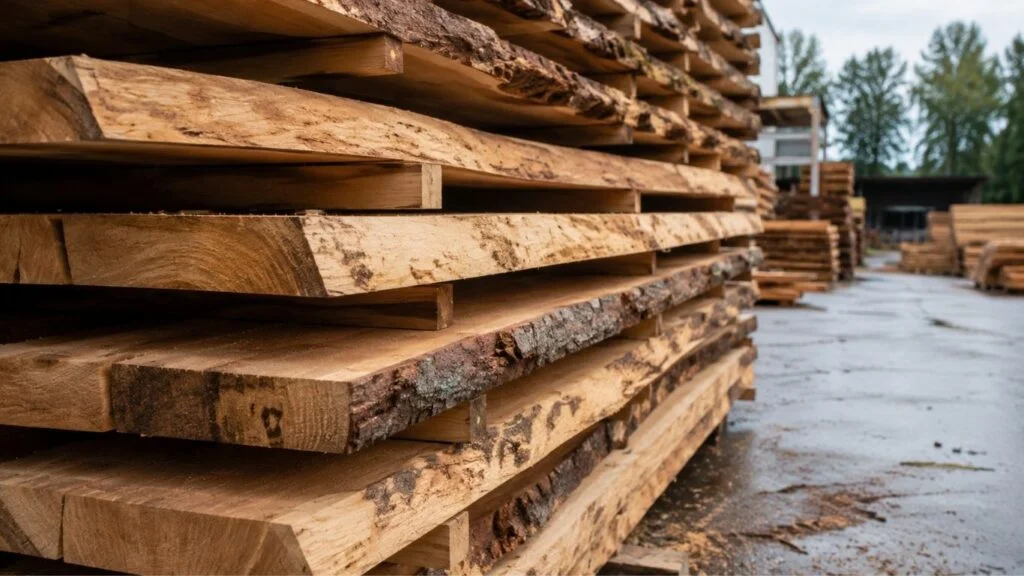
Plangud is an Estonian word linked to solid wood, building work, furniture, and outdoor cooking. It is the plural form of plank, so it usually means wooden planks or thick boards. The exact meaning depends on the setting. A timber seller may use it for raw boards. A cook may use it for wooden grilling boards.
What Does Plangud Mean?
In Estonian, plangud means “planks.” It is the plural form of plank. Estonian language records use related forms such as plankudest, meaning “from planks.” European trade material also pairs plangud with the English word “planks.”
The word does not name one brand or fixed product. It is a normal material term. Its meaning comes from the words around it. In a sawmill listing, it points to timber. In a grill shop, it can mean boards made for cooking food over heat.
A direct translation is only the first step. Buyers must also check the wood type, size, finish, moisture level, and intended use.
Plangud in Raw Timber and Sawmill Work
In timber work, plangud often refers to thick pieces cut from logs. These boards may be sold rough, dried, planed, edged, or left with natural sides. Estonian sellers list sawn and planed timber for building, furniture, wall panels, decking, and other wood products.
Thick boards are useful for tables, benches, shelves, stairs, frames, and custom projects. Yet thickness alone does not prove strength. Wood species, grain, knots, drying, and cut quality also matter.
Raw boards are never fully alike. Grain lines shift. Knots vary. Small end cracks may form. Those marks can add character, but structural pieces need closer checks.
What Are Servamata Plangud?
The phrase servamata plangud refers to unedged boards. These pieces keep part of the tree’s natural outer line instead of having both long sides cut straight. Estonian listings show unedged ash boards about 50 to 70 millimetres thick. Another seller offers several unedged species at 50 millimetres.
Why Natural Edges Matter
A natural edge keeps more of the log’s original shape. This can create a wide, uneven board with a strong visual look. Such timber is often chosen for dining tables, counters, benches, headboards, and display shelves.
But the edge needs care. Loose bark should be removed. Soft spots must be checked. The board may also need flattening before it can sit level or join with other pieces.
Common Wood Species Used for Plangud
Different trees create different results. Pine and spruce are common for general building because they are easy to cut and widely sold in Northern Europe. Birch gives a pale, clean look. Oak is heavier and often used for long-life furniture. Ash can show bold grain. Alder is softer and is also used for food-safe grilling boards.
Estonian suppliers work with both softwood and hardwood. Product ranges may include pine, spruce, birch, oak, ash, alder, and aspen. One unedged-board seller lists several of these species in the same group.
No species is best for every job. A garden bench has different needs from a large indoor table. The final choice should match strength, appearance, price, and moisture exposure.
How Thick Are Plangud?
There is no single fixed size. The word describes a product class, not one standard measurement. Estonian sawn-timber sellers offer products from about 14 to 100 millimetres thick. Many unedged furniture boards are sold near 45 to 70 millimetres.
A thicker board may feel more solid, but it weighs more and takes longer to dry. It may move as humidity changes. Wide boards can cup, bow, or twist when stored badly.
Before buying, ask for the exact thickness, width, length, and moisture content. Do not rely on a photo. Camera angles often make boards look larger.
Plangud for Furniture, Building, and Design
Furniture makers value plangud because thick boards can become strong, simple forms. One slab may serve as a table top. Shorter pieces can become stools, shelves, window seats, or side tables. Natural grain also cuts the need for heavy decoration.
Planed timber can save workshop time. Four-side planing creates smoother faces and makes a board easier to measure, join, and finish. Suppliers note that planed timber is used in construction and furniture production.
For building work, these boards may be used in fences, steps, platforms, garden furniture, heavy shelves, and support parts. Outdoor projects need good drainage and airflow. End grain should not sit in wet soil. The finish and fasteners must also suit the chosen species.
Rough timber can cost less, but it needs more tools and labour. A ready-planed board may cost more while reducing waste and workshop time.
What Are Grill Plangud?
In cooking, grill plangud are wooden boards made to hold food over a grill. The food sits on damp wood rather than directly on the metal grate. As the board heats, it gives off a light wood aroma and shields food from hard direct heat.
Plank grilling is widely used for salmon. Weber describes cedar boards as a way to add wood-smoked flavour to fish. Cooking guides also note that a plank helps stop delicate food from falling through the grill.
Food-safe boards may be made from cedar, alder, maple, beech, or another suitable untreated wood. Never cook on painted, glued, stained, pressure-treated, or unknown scrap wood.
How to Use Grill Plangud Safely
Most grilling boards need soaking before use. The aim is to slow burning and help the board smoulder instead of catching fire. Cooking guides often suggest at least 30 minutes, while some recommend about one hour. Follow the maker’s directions first.
Basic Cooking Steps
Soak the board fully and keep it under water. Heat the grill to a steady medium level. Place seasoned food on the upper face. Keep a spray bottle nearby. Watch the edges for flames, and move the board away from strong heat when needed.
Do not leave the grill alone. Wood is still fuel. The board may darken, smoke, or char during use, but open flames should be controlled at once.
How to Choose Good Plangud
Start with the final job. A table top needs a different board from a fence rail or salmon plank. Once the use is clear, compare species, size, moisture, edge style, surface finish, and grade.
Look down the length of each timber board. Check for twist, deep splits, rot, insect holes, and weak knots. Ask whether the wood is green, air-dried, or kiln-dried. Furniture wood should be dry enough for the room where it will stay.
For cooking boards, read the label. The wood should be untreated and sold for food use. It should smell clean, with no chemical scent. It must also fit inside the grill with safe space around the edges.
Storage, Drying, and Care
Timber plangud should be stored flat on level supports. Spacer sticks can let air move between boards. Keep the stack off concrete and away from direct rain. Weight on top may reduce movement, but it will not fix badly cut wood.
Do not rush indoor timber from a cold store into final assembly. Let it adjust to the workshop or room. Sudden changes in heat and humidity can cause cracks or movement.
Used grill boards need different care. Let them cool fully. Clean them as the maker directs, then dry them well. Replace a board that is badly charred, split, or dirty.
Why the Word Plangud Appears Online
The term appears online because Estonian shops, timber yards, food sellers, and makers use it in normal product names. Search results may show building boards, live-edge slabs, plastic plank products, or grilling tools. The shared word does not make the items equal.
Context solves the problem. Words such as servamata, hööveldatud, species names, sizes, or grill terms show what the seller means. A careful buyer reads the full listing rather than translating one word alone.
Plangud may sound like a new brand to an English reader. In most cases, it is simply a practical Estonian word for more than one plank.
Final Thoughts
Plangud means planks, but the exact meaning depends on use. In timber work, it can describe thick sawn boards for furniture, building, and design. In cooking, it can describe food-safe wooden boards used to grill fish and other foods.
The key is to check the details. Look at the species, cut, thickness, moisture, finish, and intended task. For grill use, choose clean untreated wood made for cooking. For furniture or building, inspect each board with care.
A simple word can cover many products. Once the context is clear, plangud becomes easy to understand and easier to buy.

Understanding the Strategic Impact of Professional Apparel
Choosing the right workwear for your team is far more than a simple procurement task. It is a foundational element of your brand identity and a critical factor in employee satisfaction. When a team wears high quality, well fitted clothing, it communicates a message of professionalism and reliability to clients and competitors alike. This visual consistency builds trust, especially in industries where staff are customer facing or working on site.
Beyond the external perception, workwear plays a significant role in internal culture. A unified look fosters a sense of belonging and equality among staff members. It removes the daily stress of choosing an outfit and ensures that everyone, regardless of their personal budget, looks the part. When you choose to partner with a reliable supplier like Totally Branded to source these garments, you are investing in the long term morale and presentation of your workforce.
Psychologically, the right clothing can even improve performance. Enclothed cognition is a term used by researchers to describe the systematic influence that clothes have on the wearer’s psychological processes. When employees put on gear that feels professional and fit for purpose, they naturally adopt a more focused and professional mindset. This transition from personal life to professional duty is facilitated by the physical act of putting on a uniform.
Assessing Safety Requirements and Compliance Standards
Safety is the non negotiable starting point for many industries, particularly in construction, manufacturing, and healthcare. Before considering aesthetics, you must conduct a thorough risk assessment of the work environment. This involves identifying specific hazards such as extreme temperatures, chemical exposure, electrical risks, or low visibility conditions.
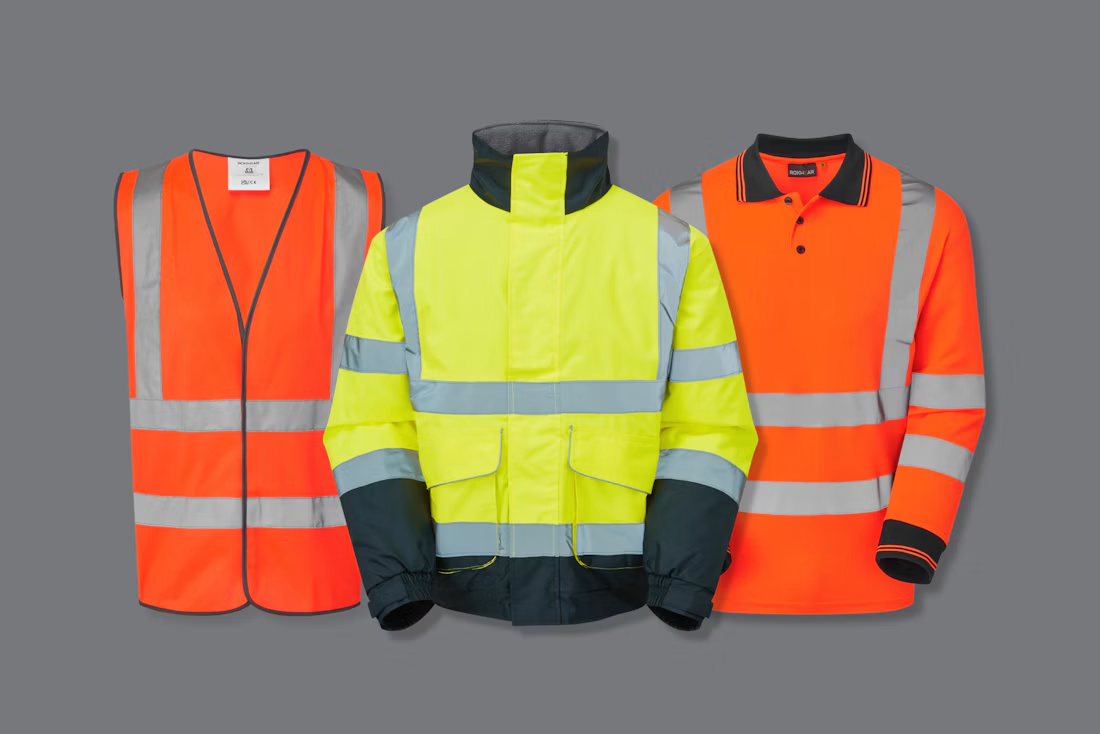
1. High Visibility Requirements: For those working near traffic or heavy machinery, garments must meet specific EN ISO standards. The level of visibility required depends on the speed of nearby traffic and the complexity of the work environment.
2. Flame Resistance and Arc Flash Protection: In electrical or welding environments, fabrics must be treated or inherently designed to resist ignition and provide thermal insulation.
3. Personal Protective Equipment Integration: Your workwear must be compatible with other PPE, such as harnesses, hard hats, or tool belts. If a jacket is too bulky, it might interfere with a safety harness, creating a new hazard.
Ensuring that your team is safe is the most direct way to show you value their well being. When looking for How to Choose the Right Workwear for Your Team Totally Branded offers a range of options that meet these rigorous safety standards while maintaining a professional look. Always check for certifications and ensure that the branding process, such as embroidery or heat transfers, does not compromise the safety features of the fabric.
Subheadings for Technical Compliance
Understanding Fabric Weight and GSM
The weight of the fabric, measured in grams per square meter, is a key indicator of its suitability for specific tasks. Heavier fabrics are generally more durable and suited for rugged outdoor work, while lighter weights are preferable for indoor environments or high activity roles where breathability is paramount.
Weather Resistance and Layering Systems
For outdoor teams, a three layer system is often the most effective approach. This includes a moisture wicking base layer, a thermal insulating middle layer, and a waterproof, windproof outer shell. This modularity allows employees to adapt to changing weather conditions throughout the day without sacrificing protection.
Selecting Fabrics for Durability and Comfort
The choice of material determines how long the uniform will last and how comfortable the wearer will be during an eight hour shift. While 100 percent cotton is soft and breathable, it often lacks the durability required for intensive labor and can shrink or fade over time. Polyester blends are frequently preferred for their color retention and wrinkle resistance.
1. Polycotton Blends: These offer a balance of comfort and strength. They are easy to wash, dry quickly, and maintain their shape after many cycles.
2. Performance Synthetics: Modern moisture wicking fabrics are essential for high activity roles. These materials pull sweat away from the skin to the surface of the fabric where it can evaporate.
3. Reinforced Panels: In high wear areas like knees, elbows, and pockets, look for garments with Cordura or similar high tenacity nylon reinforcements to extend the life of the clothing.
Comfort is not a luxury; it is a productivity tool. An employee who is constantly adjusting an itchy collar or struggling with restricted movement is an employee who is distracted. Prioritize fabrics with a slight stretch, often achieved by adding a small percentage of elastane, to allow for a full range of motion.
Integrating Brand Identity into Uniform Design
Your team members are walking billboards for your business. The way your logo and brand colors are integrated into the workwear can significantly impact brand recall. However, there is a fine line between a professional uniform and an overly cluttered design.
1. Embroidery: This is the gold standard for a premium look. It is highly durable and adds a tactile, three dimensional quality to the logo. It is best suited for polo shirts, jackets, and hats.
2. Screen Printing: Ideal for large designs on t shirts or hoodies, screen printing allows for vibrant colors and fine detail at a lower cost for high volume orders.
3. Heat Transfers: These are excellent for complex, multi colored logos or for application on technical fabrics where embroidery might compromise waterproofing.
When you work with Totally Branded, you can ensure that your visual identity is replicated accurately across different garment types. Consistency in color matching is vital; your brand blue should look the same on a softshell jacket as it does on a cotton t shirt. Consider the placement of the logo as well. While the left chest is traditional, adding a logo to the nape of the neck or the sleeve can add a modern, stylish touch.
Navigating Sizing and Inclusive Fit for Diverse Teams
One of the biggest challenges in choosing workwear is ensuring every team member feels comfortable and confident. A one size fits all approach rarely works. You must account for different body shapes, heights, and gender specific cuts. Men and women have different ergonomic needs; for instance, female specific trousers often feature a different rise and hip measurement to ensure a better fit.
1. Provide Sizing Samples: Before placing a bulk order, request a sizing set. This allows employees to try on different sizes and styles to find their best fit.
2. Consider Tall and Petite Options: Standard leg lengths do not work for everyone. Offering varied lengths prevents tripping hazards and ensures knee pads sit in the correct position.
3. Inclusive Sizing Range: Ensure your chosen supplier offers a wide range of sizes, from XS to 5XL or beyond, so no team member feels excluded or forced into ill fitting clothes.
A poorly fitting uniform is not just an aesthetic issue; it can be a safety hazard. Excessively baggy clothing can get caught in machinery, while overly tight clothing can restrict blood flow and movement. By prioritizing an inclusive fit, you demonstrate respect for your employees’ individuality and physical comfort.
Considering Environmental Impact and Sustainability
Sustainability is no longer a niche concern; it is a core business requirement. Many organizations are now looking for workwear made from recycled polyester, organic cotton, or sustainable wood pulp fibers like Tencel. Choosing eco friendly workwear helps reduce your company’s carbon footprint and appeals to environmentally conscious clients and employees.
1. Recycled Materials: Many high performance workwear items are now made from recycled plastic bottles. These fabrics offer the same durability and technical properties as virgin polyester.
2. Circularity and End of Life: Consider what happens to the garments when they are no longer fit for use. Some suppliers offer recycling programs where old uniforms are shredded for insulation or repurposed into new textiles.
3. Quality Over Quantity: The most sustainable choice is often the one that lasts the longest. Investing in higher quality garments reduces the frequency of replacement, leading to less waste over time.
By selecting durable items from Totally Branded, you are already making a more sustainable choice than opting for cheap, disposable alternatives. A long lasting garment represents a more efficient use of resources and a better return on investment.
Managing Costs and Long Term Procurement Strategies
Budgeting for workwear requires a shift from looking at the initial purchase price to calculating the total cost of ownership. A cheap shirt that needs replacing every three months is far more expensive than a premium shirt that lasts a year.
1. Bulk Purchasing: Ordering in larger quantities usually reduces the unit price. However, be careful not to overstock sizes that are rarely used.
2. Managed Accounts: For larger teams, a managed uniform service can track individual allocations and simplify the reordering process.
3. Tax Implications: In many jurisdictions, workwear is tax deductible if it is clearly branded and required for the job. Consult with your accountant to maximize these benefits.
Transparency in pricing is essential. Ensure you understand the costs for setup, decoration, and delivery before committing. A clear procurement strategy helps in maintaining a consistent look as the team grows, ensuring that new hires receive the same quality of gear as the original staff.
Empowering Employees Through the Selection Process
Employee buy in is critical for the success of any new uniform rollout. If staff feel the clothing has been forced upon them without their input, they are more likely to find fault with it. Involving them in the selection process can turn a potential point of friction into a team building opportunity.
1. Form a Focus Group: Select a few representatives from different departments to test prototypes and provide feedback on fit and functionality.
2. Conduct Surveys: Ask the wider team about their preferences regarding fabric feel, pocket placement, and color schemes.
3. Provide Choice: Where possible, offer a small range of approved items. For example, let employees choose between a polo shirt or a button down shirt, as long as both are branded correctly.
When employees feel their opinions are valued, they are more likely to wear the uniform with pride. This sense of ownership leads to better care of the garments and a more positive representation of the company.
Establishing a Maintenance and Replacement Protocol
Even the best workwear will eventually wear out. To maintain a professional image, you need a clear system for when and how garments are replaced.
1. Washing Instructions: Provide clear guidance on how to care for the garments. High temperatures and harsh detergents can damage logos and technical coatings.
2. Regular Inspections: Encourage supervisors to check the condition of their team’s workwear. Frayed hems, faded logos, or holes should be addressed promptly.
3. Easy Replacement Process: Make it simple for employees to request new items when their current ones are damaged or worn out. A streamlined process prevents staff from working in subpar clothing.
A well maintained uniform reflects a well run business. By following these steps and sourcing your apparel through Totally Branded, you ensure that your team is always equipped with the best possible tools for their trade. The right workwear is an investment in your people, your brand, and your future success.

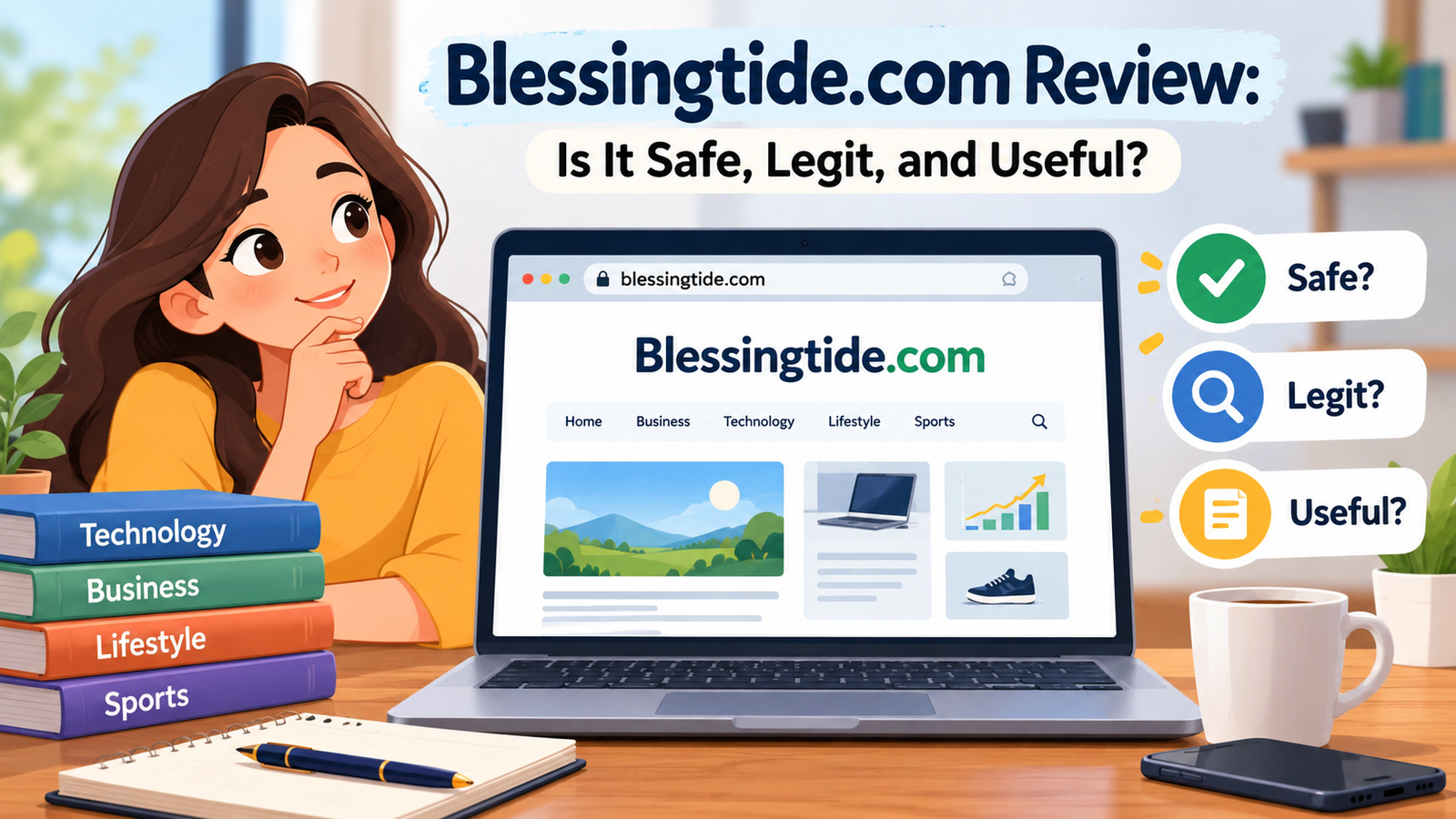
Blessingtide.com is a website that shares prayers, blessings, Bible verses, and articles on many topics. Its main focus is Christian faith and positive messages. The site also has posts about technology, business, sports, law, products, and daily life.
But what does this website offer? Who runs it, and is its content safe to trust? These are common questions. The site’s name sounds religious, but its homepage covers many other topics.
This Blessingtide.com review looks at its purpose, features, content, and ownership. It also explains how to use the site and what readers in the USA should know.
What Is Blessingtide.com?
Blessingtide.com is an online blog that shares faith-based posts and general articles. Its About Us page describes it as a place for prayer, hope, and Christian messages. The site aims to help readers find comfort through Bible verses, blessings, and kind words.
The website also covers many topics outside religion. Its homepage has articles about software, online tools, business services, home projects, and products. It is now a general blog with a strong focus on faith in its branding.
For example, someone may visit the site to find a Friday blessing for their family. Another person may find it on Google while looking for details about a software tool or home repair. Both readers can find different types of content on the same site.
The website is mainly in English. Readers can open it on a phone, tablet, or computer. Its public articles are free to read, and visitors do not need an account to view them. The site also welcomes readers from different countries.
What Does Blessingtide.com Offer?
Blessingtide.com has two main types of content. The first covers faith, prayers, blessings, and Bible verses. The second includes articles about business, technology, news, and daily life.
Its faith-based posts are for people who want comfort, hope, or kind words to share. Readers can find morning prayers, weekly blessings, Christian quotes, and wishes for special days. Some posts also have images that people can share with friends and family.
The site also shares guides about common topics. These articles explain products, business tools, online services, and other subjects. They aim to give readers basic facts and helpful details.
Main Topics on the Website
- Faith and inspiration: Prayers, Bible verses, blessings, and Christian messages.
- Technology: AI tools, software, apps, and online services.
- Business: Marketing, company services, and business guides.
- Sports and news: Football, sports updates, and general news.
- Law and lifestyle: Legal topics, home care, health, and daily needs.
This mix of content brings different types of readers to the site. Still, each article should be judged by its facts, sources, and publication date.
Blessingtide.com Content and Categories
Blessingtide.com uses categories to group its articles. These sections help readers find posts about a certain topic. Some focus on faith, while others cover business, news, and general subjects.
The site has categories such as Celebrity, Product News, News, Law, Tech News, Sports, Physical Blessings, and Friday Blessing. Readers can find these sections through the site’s menus, footer, and article pages.
Popular Content Categories
The Product News section has posts about machines, electronics, and industry products. The Law section covers legal topics and basic guides. The blessing sections share prayers, quotes, images, and positive wishes.
The Tech News category covers software, AI tools, and digital services. Sports articles focus on football and other sports topics. The site also has posts about homes, business services, and daily needs.
Articles published in September and October 2026 show the wide range of topics. Some examples include:
- Best Instagram viewers to explore in 2026.
- Outdoor LED display boards and their uses.
- Home remodeling in Sammamish.
- TeamViewer pricing compared with Splashtop.
These posts show that the site is not limited to religious content.
Some category names may not match every article inside them. For example, a blessing section may also have posts about business or online tools. Readers should check the title before opening a page.
The website also has a sitemap. It lists pages and helps visitors find more content. This can be useful when an article is hard to find through the main menu.
Prayers and Christian Content on Blessingtide.com
Christian messages are a key part of BlessingTide’s stated purpose. Its About Us page says the site shares prayers, Bible verses, blessings, and words about faith. These posts focus on hope, peace, and comfort.
Readers can find prayers and wishes for many days and events. Some posts cover gratitude, family, love, and support during hard times. Others share Bible verses and short messages for personal prayer.
Types of Blessings and Prayers
The website has published posts about:
- Monday blessings and morning prayers.
- Tuesday prayers and positive wishes.
- Thursday and Friday blessings.
- Weekend prayers and Christian quotes.
- Birthday messages and New Year blessings.
Some articles have large sets of quotes and images. Readers can use them for prayer or share them with people they know.
For example, a person may want a short Friday prayer to send to a friend. Another may need a birthday wish with a Christian message. The site has posts that cover these needs.
The website also has some content from other faith traditions. For example, it has published articles about Islamic birthday wishes and duas. This shows that its spiritual content is not limited to Christian messages.
Readers can use these posts for comfort and kind wishes. When sharing an exact Bible verse or other religious quote, it is best to check the words against a trusted religious text.
How to Use Blessingtide.com
Using Blessingtide.com is easy. Readers can open the site through a web browser on a phone, tablet, or computer. Public articles can be read without creating an account.
The homepage shows recent posts with titles and dates. Readers can choose an article and open the full page. Many posts also show the name of the writer.
Steps to Explore the Website
- Visit the official site at https://blessingtide.com/.
- Look through the homepage or open a category.
- Choose an article that matches your topic.
- Read the full post and check its date.
- Use the sitemap or related posts to find more content.
If you want a Sunday blessing, start with the faith-based sections. If you need facts about a new AI tool, look for a post in the technology or news sections.
Using the Website on Mobile and Desktop
The site can be opened in browsers such as Chrome, Safari, Firefox, and Edge. Readers may also reach its articles through Google, WhatsApp, or shared links.
On a phone, users can scroll through articles and open other posts. On a computer, they can use separate tabs to compare facts from different websites.
Before trusting an article, check whether it answers your question. A good post should give clear facts, useful examples, or simple steps.
For topics such as health, law, money, or safety, check key facts with trusted sources. A well-written article can still have mistakes or old information.
The site also has a Contact Us page. Visitors can send questions or feedback using a form with fields for their name, email, subject, and message. Avoid sharing private details that are not needed.
Who Owns and Manages Blessingtide.com?
There is little public information about who owns Blessingtide.com. The website’s footer links the BlessingTide name with Zyan-Ch. It describes the site as a place for positive words, thanks, and hope.
However, it does not say if Zyan-Ch is the owner, founder, editor, or someone else linked to the site. There is also no clear company history or confirmed business address on its main public pages.
Authors and Website Management
Different author names appear on the website. Emilia is credited on many business, technology, and general articles. The name webpulse also appears on some posts.
These names tell readers who is listed as the writer. They do not prove the real identity of each person or who owns the website.
The site has an About Us page and a Contact Us page. Both are useful for learning about the site and sending questions. Still, some details remain unclear.
These include:
- The full name of the legal owner.
- The registered company name, if any.
- The exact date the website was founded.
- The main office or business address.
- The real identities behind some author names.
Missing owner details do not prove that a site is unsafe. However, clear ownership and writer information can help readers judge a website.
For now, it is best to describe Zyan-Ch as a name linked to the site, not as its confirmed owner.
Is Blessingtide.com Based in the USA?
Many users search for “Blessingtide.com USA” or “BlessingTide US.” They may want to know if the website is based in America or has a special version for U.S. readers.
There is no clear public proof that Blessingtide.com has its main office in the United States. American readers can visit the website, but this does not mean the business is based there.
The site’s About Us page welcomes people from around the world. It does not clearly list a U.S. office, registered American company, or confirmed physical address.
What U.S. Readers Should Know
The website has articles about American businesses, legal topics, tech products, and home projects. Some posts also focus on services in certain U.S. states.
Readers should check whether the facts apply to their own location. Rules and services can change from one state or country to another.
For example:
- Legal rules: A law in Colorado may not apply in California.
- Product prices: Costs may change by country or seller.
- Healthcare: Medical rules and services may differ by location.
- Business: Tax laws and company rules can vary by state.
For prayers and blessings, location is less important. A kind message or Bible verse may be useful to readers in the USA, UK, Canada, or other countries.
Readers should also check the website address before opening a link. Other websites use names that look like BlessingTide. They may have different owners and publish different content.
Blessingtide.com USA is a search term, not proof of a separate official U.S. website. The site’s main business location has not been publicly confirmed.
Blessingtide.com vs. BlessingtideUS.com
Blessingtide.com and BlessingtideUS.com have similar names, but they are two different websites. Both share online articles, but their main topics are not the same. Readers should check the web address before visiting either site.
Blessingtide.com shares prayers, blessings, and articles on many topics. These include technology, business, law, sports, and product news.
BlessingtideUS.com focuses on famous people. It shares facts about celebrities, their families, careers, ages, relationships, and personal lives.
Main Differences Between the Two Websites
| Feature | Blessingtide.com | BlessingtideUS.com |
|---|---|---|
| Website type | General content blog | Celebrity information website |
| Main focus | Faith and general topics | Celebrities and biographies |
| Content | Prayers, tech, business, news | Age, family, career, relationships |
| Target readers | General readers | People searching for public figures |
| Language | Mainly English | English |
| Website address | blessingtide.com | blessingtideus.com |
Both sites serve different needs. If you want prayers or general guides, BlessingTide may be helpful. If you want facts about an actor, singer, or other famous person, BlessingtideUS.com may be a better choice.
There is no public proof that both sites have the same owner. Similar names do not mean two websites belong to the same company. Always check the full web address before opening links or sharing details.
Is Blessingtide.com Safe and Legit?
Blessingtide.com is an active website with public articles and basic information pages. Its homepage shows posts with titles, dates, and author names. Visitors can read articles without creating an account.
The site also has an About Us page, Privacy Policy, Disclaimer, and Contact Us page. These pages explain its purpose, basic rules, and ways to contact the site.
However, these pages do not prove that every article is correct or every link is safe. Readers should check key facts before using the information.
Safety Features to Check
Here are some basic features readers should look for:
- HTTPS: Helps protect data sent between the browser and website.
- Privacy Policy: Explains what user data the site says it collects.
- Contact page: Gives visitors a way to send questions or feedback.
- Article dates: Show when posts were published.
- Author names: Tell readers who is credited for each post.
These features are useful, but they do not prove that a website is fully safe. For example, HTTPS helps protect the connection. It does not prove that the content or outside links are safe.
Can You Trust the Website?
BlessingTide can be useful for prayers, simple guides, and basic facts. Readers can open public articles and decide if the content answers their questions.
However, extra care is needed with health, money, law, and safety topics. Some posts may have old facts or leave out key details. Readers should check these claims with trusted sources.
Avoid unknown downloads or links that ask for private details. You do not need to share passwords, bank details, or other private data to read an article.
The website has basic trust features, but its full ownership details are not clear. Public information alone cannot prove that all its content is safe or correct.
Blessingtide.com Privacy Policy and User Data
Blessingtide.com has a Privacy Policy that explains how the site says it collects and uses visitor data. It covers personal details, cookies, contact forms, and website activity.
The policy says the site may collect names and email addresses when visitors send messages or sign up for updates. It may also collect browser type, device details, IP addresses, and pages viewed.
The website says this data helps it reply to messages, improve its pages, and send updates or positive messages to readers.
What Information May Be Collected?
The official Privacy Policy lists these types of data:
- Name and email: May be collected through forms or email sign-ups.
- Browser details: Help the site learn how visitors use its pages.
- Device data: May show what type of device a person uses.
- IP address: May be collected when someone visits the site.
- Cookies: May save settings and help track website use.
The policy states that the site does not sell or rent personal data to outside companies. It also says users can ask to view, change, or delete their information.
Readers can contact the site with privacy questions. The policy also explains that users can stop getting emails by unsubscribing.
How to Protect Your Privacy
Before sending a form, check what details it asks for. A contact form may need your email to send a reply. It should not need your bank details or passwords.
You can also control cookies through your browser settings. If a link opens another website, check that site’s privacy rules before sharing any information.
These steps can help protect your data. Keep in mind that a Privacy Policy explains what a website says it does. It does not prove that an outside group has checked those claims.
How Reliable Is Blessingtide.com Content?
The quality of an article depends on its facts, sources, and topic. Blessingtide.com covers many subjects, so each post should be checked based on what it claims.
For example, a blessing is mainly meant to share kind words. A guide about business software should have clear product facts and current prices. A legal article should use correct laws and explain which area those laws cover.
Many BlessingTide posts show an author name and date. This helps readers know when the content was published. However, a name alone does not prove that the writer is an expert.
How to Check Article Quality
Use these simple steps to check an article:
- Check the date: See when the article was published or updated.
- Look at the author: Check who is credited for the content.
- Read the details: Look for clear facts, steps, and examples.
- Check the sources: See if important claims have proof.
- Compare the facts: Use trusted sources to confirm key details.
For example, a post about software may list its tools and prices. Before buying, visit the company’s official website. The price or features may have changed since the post was written.
The same rule applies to law and health topics. A general article can help you learn basic facts. It should not replace advice from a trained expert.
What Does the Website’s Disclaimer Say?
BlessingTide has an official Disclaimer page. It says its spiritual posts are for general inspiration and personal reflection. It also warns that some content may have errors or missing details.
The Disclaimer says prayers and Bible verses should not replace professional spiritual or mental health advice. The website also says it is not responsible for content on outside websites.
These points are important for readers. The site can help people learn about many topics, but important decisions should be based on trusted sources.
Benefits and Limitations of Blessingtide.com
Blessingtide.com shares many types of articles in one place. Readers can find prayers, Bible verses, positive quotes, news, and guides about common topics. This may help people who enjoy reading about different subjects.
The website has categories and links that help visitors explore posts. Public articles are free to read, and an account is not needed. Readers can also open the site on phones, tablets, and computers.
However, the website has some limits. Its legal owner and main business address are not clearly listed. Some categories also have a mix of topics that may not match their names.
Main Benefits
Here are some useful features:
- Free access to public articles.
- Prayers, blessings, and Bible verses.
- Posts about business, technology, and daily life.
- Dates and author names on many articles.
- Contact and privacy information pages.
- Access through common web browsers.
These features can be helpful for casual readers. For example, someone looking for a birthday blessing can find a message without making an account.
A person searching for product details may also find a useful guide. However, it is best to check the maker’s official website before buying a product.
Main Limitations
The website also has some limits:
- Its legal owner is not clearly named.
- Some categories contain mixed topics.
- Not every article has detailed source links.
- Facts about fast-changing topics may become old.
- The website cannot replace expert advice.
These limits do not mean the website is not useful. They show why readers should check articles based on their topic and purpose.
BlessingTide may be helpful for prayers, kind messages, and general reading. People who need medical, legal, or money advice should use official sources or speak with trained experts.
What to Do If Blessingtide.com Is Not Working
Sometimes a website may fail to open or take too long to load. This can happen due to a weak internet link, browser problems, or a short issue with the website’s server.
If Blessingtide.com is not loading, first check whether other websites work. If they also fail, your internet connection may be the cause.
If other sites work but BlessingTide does not, try opening it again. You can also use another browser or device to check whether the issue remains.
Simple Ways to Fix Loading Problems
Try these steps:
- Refresh the page: Reload the website and check if it opens.
- Check your internet: Make sure your Wi-Fi or mobile data works.
- Use another browser: Try Chrome, Firefox, Safari, or Edge.
- Clear browser cache: Remove old saved files that may cause errors.
- Try another device: Open the website on a different phone or computer.
- Check the homepage: See if only one article has a problem.
- Try again later: A short server issue may fix itself.
If the homepage works but one article does not, that page may have moved or been deleted. Try searching for the article title or checking related categories.
If the problem continues, you may be able to send a message through the site’s Contact Us page. However, this form may not work if the whole website is offline.
Do not download unknown apps or browser tools that claim to fix the problem. A normal blog should open without extra software.
Conclusion
Blessingtide.com is an online blog with a strong focus on faith and positive messages. It shares prayers, Bible verses, and blessings. It also publishes articles about business, technology, law, sports, products, and daily life.
The website has free public articles, author names, dates, and basic policy pages. However, its legal owner and main business location are not clearly confirmed. Readers should check facts based on each article’s topic.
For prayers, kind wishes, and general reading, Blessingtide.com may be useful. For health, law, money, and other serious topics, readers should confirm key facts with trusted sources before making decisions.
FAQs
What is Blessingtide.com used for?
Blessingtide.com shares prayers, Bible verses, blessings, and articles about technology, business, law, sports, products, and daily life.
Is Blessingtide.com a safe and legitimate website?
Blessingtide.com is an active site with public articles, a Privacy Policy, and a Contact Us page. However, these features do not prove that all its content is safe or correct.
Who owns Blessingtide.com?
The website footer mentions Zyan-Ch, but its legal owner is not confirmed. Author names such as Emilia and webpulse also appear on the site.
Is Blessingtide.com a USA-based website?
There is no clear public proof that Blessingtide.com is based in the USA. American readers can visit it, but its main business location is not confirmed.
Is Blessingtide.com free to use?
Yes, visitors can read its public articles for free without making an account. The site offers prayers, blessings, and general articles on many topics.

Have you heard of Extroly Com and wondered what it does? Some websites call it a social media platform. Others describe it as a digital tool or publishing service. These claims can make it hard to know what the site offers.
Extroly.com is a blog that shares articles on technology, business, finance, health, education, lifestyle, and travel. It has a news-style layout with different topics and article lists. Reviews from 2026 also link the website to a guest-post marketplace.
This guide explains what Extroly Com is, how it works, what it offers, and who can use it. It also clears up claims about its features and purpose.
What Is Extroly Com?
Extroly Com is a website that shares articles on many topics. It works like an online magazine where people can read about technology, money, business, health, and travel. The site does not focus on just one subject.
Reviews from 2026 report that Extroly.com runs on WordPress. It uses a theme called Newspaperup, which gives the site a news-style look. Articles are placed in different groups so readers can find topics they like.
Some websites claim that Extroly.com offers social media features, AI tools, or team services. However, there is no clear proof of these features. Based on available reviews, it is mainly a website for reading articles.
How Does Extroly Com Work?
Extroly Com works like a normal blog. People can open the website in a browser and read its articles. The homepage has been described as having a menu with several topics. Readers can choose a topic and open posts they want to read.
The website also has a search box and an article archive. These tools help readers find older posts. For example, someone who wants to learn about online banking can check the finance section. A person looking for travel tips can open the travel section.
Reviews found no public member login or sign-up link on the homepage. This means readers do not appear to need an account to read articles. The website also has links to outside services, so users should check where those links lead before sharing any details.
Main Features of Extroly Com
Extroly Com has a magazine-style layout. Reviews from 2026 describe a homepage with featured articles, images, a sidebar, and a news ticker. These parts help readers see recent posts and browse different topics.
The website places its content into groups such as technology, finance, business, education, health, lifestyle, and travel. It also has an archive with older posts. Readers can use these sections to find articles without going through every page.
Extroly.com reportedly uses the Newspaperup WordPress theme. This theme is made for blogs and news websites. It supports article lists and sidebars. However, the site’s current loading speed and mobile performance have not been tested in this review.
What Type of Content Does Extroly Com Publish?
Extroly Com publishes articles about daily life, technology, money, travel, and other subjects. Its technology posts include topics such as online safety and digital tools. One reported article explains how technology affects accounting jobs. Another covers safety features in banking apps.
The site also has articles about XRP prices, China’s high-speed trains, and flight booking. Other reported topics include real estate in Karachi, moving services in Dubai, and cleaning cars used to carry pets. Home topics include different types of bathtubs.
These examples show that Extroly.com covers many subjects. Readers can use it to find basic facts or learn about new topics. Still, health and money advice should be checked with trusted sources. The website’s editing process and the skills of its writers have not been confirmed.
Who Can Use Extroly Com?
Extroly Com may be useful for people who like reading about different topics. Visitors can find articles about travel, technology, business, and daily life in one place. They can choose a category and read posts that interest them.
Students and writers may also use the site to find basic information or topic ideas. Its articles show how blogs explain common subjects. However, important facts should be checked with trusted sources before being used in schoolwork or research.
Website owners and digital marketers may also be interested in Extroly.com. Reviews report that its sidebar has shown an ad for Adoovy, a guest-post marketplace. This suggests that the site may be linked to paid article placements. However, direct guest-post rules and prices have not been confirmed by the website itself.
Is Extroly Com a Social Media Platform?
Some online articles call Extroly Com a social media platform. Others claim it offers AI tools or online groups. However, reviews of the website have not found clear proof of these services.
Social media sites usually let users create profiles, follow people, send messages, and share posts. Facebook and LinkedIn are examples. A blog works in a different way. It mainly shares articles that people can read without creating personal profiles.
Based on available information in 2026, Extroly.com is a content website, not a confirmed social media service. No public social feeds, member profiles, or messaging tools have been verified. Readers should view it as an online blog unless the website shows new features.
What Is Extroly Com? Everything You Need to Know in 2026
Extroly Com Guest Posting and SEO Opportunities
Extroly Com may be useful for website owners who want to publish guest posts. A guest post is an article shared on another website. Businesses use guest posts to reach more readers and share news about their products or services.
Extroly.com is listed on Adoovy, a guest-post marketplace. In October 2026, the listing showed a price of $90 per post. It also claimed a posting time of 24 to 48 hours and offered dofollow links. These are seller claims. Buyers should check the latest price and terms before paying.
Guest posting can help a website reach new readers. However, a backlink does not promise better Google rankings. The topic, content quality, and site’s readers all matter. Google also requires paid links to be marked in a way that does not pass ranking value, such as rel="sponsored" or rel="nofollow".
What to Check Before Buying a Guest Post
Before paying for a post, check these details:
- Website traffic: Ask for proof of recent visitors.
- Content quality: Read past articles and check their sources.
- Topic match: Choose sites that cover topics close to your business.
- Link rules: Check how paid links will be marked.
- Publishing terms: Confirm the price, posting time, and other rules.
These checks can help buyers avoid poor placements and false SEO promises.
Is Extroly Com Safe and Legit?
Extroly Com is described in 2026 reviews as a working blog with public articles. However, an active website is not always a safe one. The site’s owner, staff, and content review process have not been fully confirmed. Readers should check these details before trusting its content.
Start by checking the website address. Make sure it uses HTTPS and that your browser shows no warning. You should also look for an About page, contact details, and a privacy policy. These pages may explain who runs the site and how it uses visitor data. HTTPS protects the connection, but it does not prove that a website is safe.
Reading public articles carries less risk than making payments or sharing private data. Still, users should be careful with unknown links and pop-ups. Do not share passwords, bank details, or personal records with a site you have not checked.
You can also use tools such as Google Safe Browsing to look for known threats. A clean result is helpful, but it cannot prove that every page is safe.
Does Extroly Com Have an App or Login?
Some online articles mention an Extroly app or member account. However, no official mobile app has been confirmed. Reviews of Extroly.com found no clear app links on Google Play or the Apple App Store. They also found no official download page.
The same reviews found no public login or sign-up button in the main menu. This is normal for a blog. People can usually read posts, search for topics, and browse categories without making an account.
If you find an app using the Extroly name, check it before installing it. Look for a link from the official website and confirm the app maker’s name. Avoid unknown APK files, fake login pages, and links sent through strange messages.
Never enter your password on a page that you cannot confirm belongs to the real website.
Benefits of Using Extroly Com
One benefit of Extroly Com is its wide range of topics. Readers can find articles about technology, finance, travel, health, and daily life. This may help people who want to read about different subjects in one place.
The website also has a simple blog layout. Reviews describe topic menus, article lists, a search box, and an archive. These features help visitors find older posts and explore topics without checking every page.
The site may also help writers and people who study online content. They can look at article titles, blog layouts, and content formats. Its guest-post marketplace listing may also interest digital marketers.
Main Benefits at a Glance
- Articles about several everyday topics.
- Clear content groups for easier browsing.
- Search and archive features for finding posts.
- Public articles that do not appear to need a login.
- Blog examples for writers and content creators.
These features make the site useful for general reading and basic research. However, the value of each article depends on how accurate and helpful it is.
Limitations of Extroly Com
Extroly Com has some limits that readers should know about. One concern is the lack of clear public details about its owner and team. Available reviews do not confirm who checks the articles before they go live. This makes it harder to judge how well the content has been reviewed.
The site also covers many different subjects. A blog that writes about money, health, cars, and travel may not have experts in every field. Reviews found that many sampled posts used the same author name, Adoosylinks. This does not show who wrote or checked each article.
Another issue is the site’s posting history. Its reported archive includes articles from 2021, 2023, 2025, and 2026. There are gaps between some of these dates. This suggests that new posts have not always appeared at a steady rate.
There is also no confirmed data showing how many people visit the site each month. Readers should check key facts with trusted sources. Marketers should ask for proof of traffic before paying for a guest post.
How to Verify Extroly.com Before Using It
Before using Extroly.com, check the website address. Enter the domain in your browser and make sure it is correct. Look for HTTPS and any browser warnings. Avoid links with strange spellings or extra words in the domain name.
Next, look for details about the people who run the site. Check its About, Contact, and Privacy Policy pages if they are available. You can also use a WHOIS or RDAP tool to view public domain records. These tools may show when the domain was first registered, but the owner’s name may be hidden.
Content quality is also important. Look for author names, dates, and links to trusted sources. If an article gives health or money advice, check its facts with official websites before using them.
Quick Website Safety Checklist
Use these steps before sharing personal details or making a payment:
- Check the URL: Make sure you are on the correct website.
- Review contact details: Look for a working email or contact page.
- Check site safety: Use a trusted website safety tool.
- Read the content: Look for clear facts and reliable sources.
- Review payment terms: Check the full cost before buying a service.
- Ask for traffic proof: Request recent visitor data for guest posts.
These checks can help you judge whether the website meets your needs.
Conclusion
Extroly Com is mainly known as a blog that publishes articles about technology, finance, business, travel, health, and other topics. Reviews from 2026 describe a WordPress website with a news-style layout, topic menus, and an article archive.
The site may be useful for casual reading, finding article ideas, and learning about new subjects. It also has a listing on a guest-post marketplace. However, its owner, editing process, and actual visitor numbers have not been fully confirmed.
There is no clear proof that Extroly.com offers social networking tools, AI services, or an official mobile app. Readers should check important facts before using them. Website owners should also review traffic data, link rules, and prices before paying for guest posts.
FAQs
What is Extroly Com used for?
Extroly Com is mainly used to read articles about technology, business, finance, health, travel, and other topics.
Is Extroly Com a safe and legitimate website?
Extroly.com has been described as a working blog, but its ownership and full safety status have not been confirmed.
Does Extroly Com offer guest posting services?
Extroly.com has a paid guest-post listing on Adoovy. Buyers should check the latest prices and terms before ordering.
Is Extroly Com a social media platform or an AI tool?
No clear proof shows that Extroly.com offers social media features or AI tools. It is mainly a content website.
Does Extroly Com have an official mobile app?
No official Extroly.com app has been confirmed. Visitors can read its public articles through a web browser.

How to Choose the Right Workwear for Your Team

Xylazine Explained: What “Tranq” Is and Why It Has Changed the Overdose Picture

Check PC Compatibility and Improve Gaming Performance

Nancy Simon: Meet Neil Simon’s Daughter and Woody Harrelson’s Ex Wife

Who Was Russell Derek? Inside The Life of John Derek’s Son

Who is Kassidy Duhamel? All About the Life of Josh Duhamel’s Sister
-
 Celebrity1 month ago
Nancy Simon: Meet Neil Simon’s Daughter and Woody Harrelson’s Ex Wife
-
 Biographies4 months ago
Who Was Russell Derek? Inside The Life of John Derek’s Son
-
 Biographies4 months ago
Who is Kassidy Duhamel? All About the Life of Josh Duhamel’s Sister
-

 Biographies4 months ago
Steven Fleischmann: Inside the Love Story of Erin Moran and Her Husband
-

 Biographies4 months ago
Caleb Michael Jackson: The Untold Story of Lisa Vultaggio and Jonathan Jackson’s Son
-

 Biographies4 months ago
Micah Emmanuel Lanfer: All About the Life of Sarah Drew and Peter Lanfer’s Son
-

 Biographies4 months ago
Who is Bear Beghe? All About the Life of Jason Beghe’s Son
-

 Biographies3 months ago
Mackenzie Stiles: The Real Story of Ryan Stiles’ Daughter