
Blog
What Is a Prepaid Meter? How It Works and Key Benefits


Many people ask, what is a prepaid meter, and how does it work? A prepaid meter is a device that lets you pay for electricity, gas, or water before you use it. It works in a way that feels close to a prepaid mobile plan. You add credit first. The meter then removes credit as you use the service.
The question what is a prepaid meter matters because this system gives users more control over daily costs. It also removes the need to wait for a monthly bill. You can see your balance, check your use, and top up when needed. But it also has limits. If your credit runs out, your supply may stop until you add more money.
What Is a Prepaid Meter and Why Is It Used?
So, what is a prepaid meter in simple words? It is a pay-as-you-go meter for a utility service. The meter stores credit and tracks how much power, gas, or water you use. Each unit you use reduces the balance.
Utility firms use these meters to collect payment in advance. Landlords may also use them in rented homes or shared buildings. This can make billing fair because each person pays for their own use.
For families, the main goal is cost control. You can decide how much credit to buy. You can also change your habits when your balance falls too fast.
How Does a Prepaid Meter Work?
To understand what is a prepaid meter, it helps to look at each step. First, you buy credit. This may be done through an app, a website, a shop, a bank service, or a local vendor.
Next, the credit goes into the meter. Some meters use a token code. Others use a smart card or key. New smart meters may receive the credit by a wireless link.
In practice, what is a prepaid meter becomes clear when the meter starts tracking use in real time. It may show money left, units left, or both. When the balance gets low, the meter often gives a sound or warning light. If the credit reaches zero, the supply may switch off.
Types of Prepaid Meters
The answer to what is a prepaid meter can change a little based on the utility. The most common type is an electricity prepaid meter. It measures power use in kilowatt-hours and removes credit as appliances run.
Gas prepaid meters work in a similar way. They track the gas used for heating, cooking, or hot water. Water prepaid meters are less common in some areas, but they use the same pay-first system.
There are also two main meter styles. A basic meter may need a token, key, or card. A smart prepaid meter can send data to the utility firm and may allow remote top-ups.
How to Add Credit to the Meter
A key part of learning what is a prepaid meter is knowing how to recharge it. The top-up process depends on the meter model and local utility firm.
With a token meter, you buy credit and receive a code. You enter that code on the meter keypad. The meter checks the code and adds the new units.
With a card or key meter, you load money onto the card or key at an approved shop. You then insert it into the meter. A smart meter may add credit through an app or online account. Always keep proof of payment until the balance appears.
What Information Does the Display Show?
When people ask what is a prepaid meter, they often want to know what they can see on it. Most displays show the credit balance. Some also show daily use, current load, past top-ups, and the number of units left.
Another part of what is a prepaid meter is the live display, which can help you spot heavy use. For example, the balance may fall faster when an iron, heater, air conditioner, or water pump is running. This makes it easier to find devices that use more power.
Some meters use short codes to open extra screens. Codes differ by brand. Check the guide or ask the provider before entering one.
Main Benefits of a Prepaid Meter
One clear benefit of what is a prepaid meter is better control. You pay before use, so there is less chance of a large bill at the end of the month. This can help people who work with a fixed weekly budget.
The live balance also builds awareness. You can see how fast credit is being used. That may lead you to switch off lights, reduce heater use, or run fewer devices at one time.
For many homes, what is a prepaid meter also means a way to stop debt from growing. Since payment comes first, unpaid monthly bills do not build up in the same way. For landlords, the meter can reduce disputes over shared costs.
Common Problems and Limits
It is not enough to ask what is a prepaid meter without looking at the risks. The biggest issue is sudden disconnection. If the balance reaches zero, the supply may stop at night, during bad weather, or while shops are closed.
Some users may also pay more under a prepaid tariff. Prices and fees can vary by area. A meter does not always mean cheaper energy.
There may also be technical faults. A token may fail, a keypad may stop working, or a smart top-up may take time to arrive. Older people and users without online access may find digital systems harder to manage.
Prepaid Meter vs Postpaid Meter
A simple way to explain what is a prepaid meter is to compare it with a postpaid meter. A prepaid meter takes payment before use. A postpaid meter records use first and sends a bill later.
With prepaid service, you know the balance at once. With postpaid service, you may not know the full cost until the bill arrives. Prepaid meters reduce debt risk, but they also place the risk of disconnection on the user.
Postpaid service may feel easier for people with stable income. Prepaid service may suit users who want strict limits. The better choice depends on budget, tariff, and top-up access.
How Prepaid Meters Help Tenants and Landlords
For rented homes, what is a prepaid meter often means a private submeter. A landlord may install one for each room, flat, or shop. Each tenant then pays for the utility they use.
This can make shared billing more clear. One tenant does not have to pay for another tenant’s heavy use. It can also save the landlord from chasing unpaid utility bills.
Still, tenants should check the rate. A private meter should use a clear tariff and fair service fee. Ask for receipts and a record of top-ups. The main utility meter and the submeter should also be checked for correct readings.
Tips for Using a Prepaid Meter
Once you know what is a prepaid meter, daily use becomes easier. Keep a small amount of emergency credit when possible. Do not wait until the balance is almost zero before topping up.
Check the display at the same time each day. This helps you learn your normal rate of use. If the balance drops much faster than usual, check heaters, pumps, air conditioners, and old appliances.
Save token numbers and payment records. Never buy credit from an unknown seller. Use the official app, portal, bank, shop, or vendor. Also learn how to reach the utility firm if a payment fails.
How to Reduce Utility Use
Understanding what is a prepaid meter can help you cut waste. Start with simple habits. Turn off lights in empty rooms. Unplug chargers when they are not in use. Use fans before air conditioning when the weather allows.
For electricity, heaters and cooling systems often use a lot of power. Run them only when needed. Choose efficient bulbs and appliances when you replace old items.
For gas, keep burners clean and use the right pot size. For water, repair leaks and avoid long showers. Small changes matter because the meter shows the effect in real time.
Is a Prepaid Meter Right for You?
The answer to what is a prepaid meter is simple, but the choice is personal. It can be useful for people who want a clear spending limit. It can also work well in rental homes, small shops, and shared buildings.
But it may not suit every user. A person who needs constant power for medical or work equipment may face serious trouble if credit runs out. Families should also compare tariffs, fees, and top-up options before choosing one.
In the end, what is a prepaid meter comes down to paying first and using later. It offers control, clear tracking, and less debt. Yet it also needs regular attention. Check the balance, top up early, and know the local rules before you depend on it.

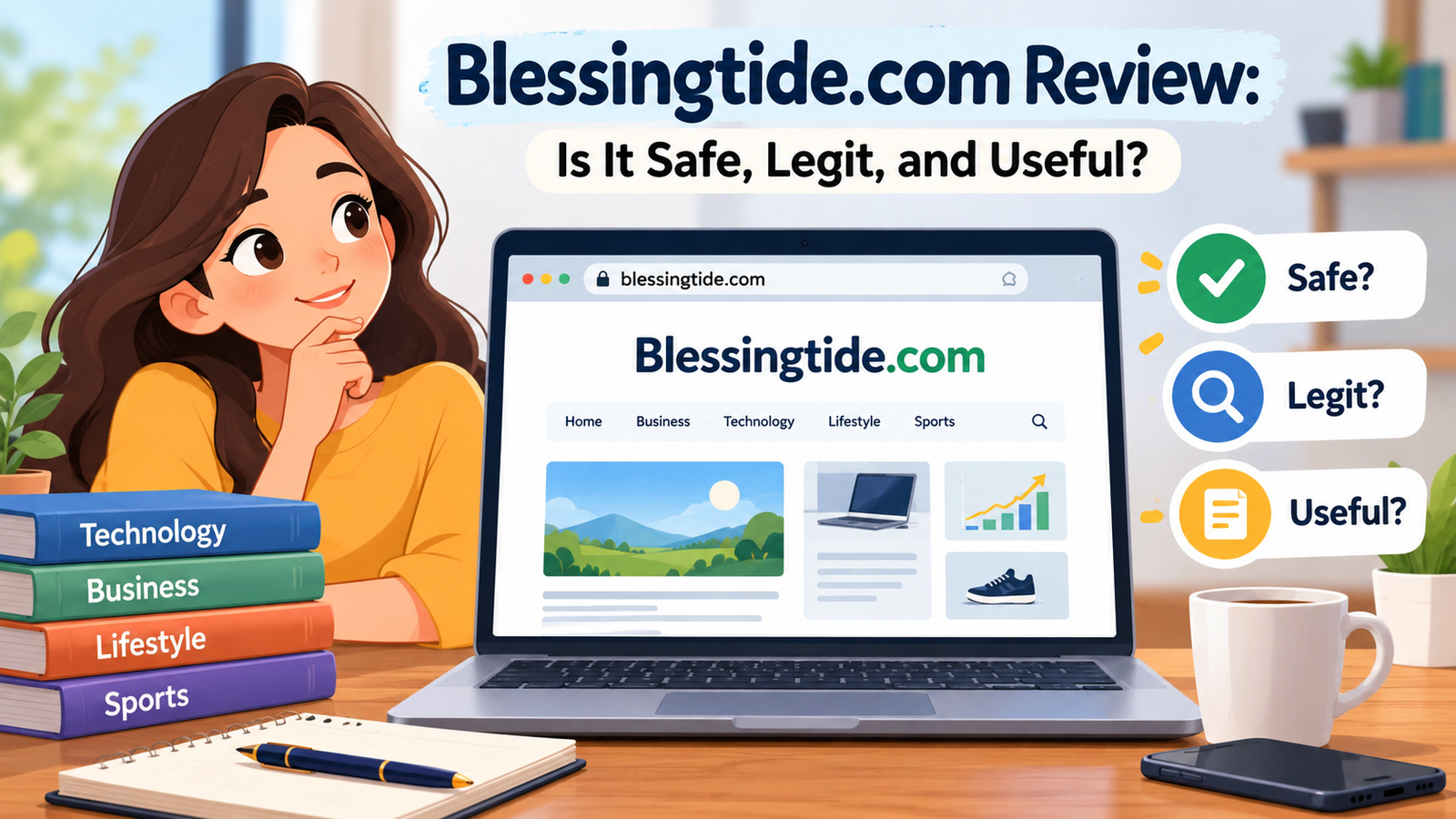
Blessingtide.com is a website that shares prayers, blessings, Bible verses, and articles on many topics. Its main focus is Christian faith and positive messages. The site also has posts about technology, business, sports, law, products, and daily life.
But what does this website offer? Who runs it, and is its content safe to trust? These are common questions. The site’s name sounds religious, but its homepage covers many other topics.
This Blessingtide.com review looks at its purpose, features, content, and ownership. It also explains how to use the site and what readers in the USA should know.
What Is Blessingtide.com?
Blessingtide.com is an online blog that shares faith-based posts and general articles. Its About Us page describes it as a place for prayer, hope, and Christian messages. The site aims to help readers find comfort through Bible verses, blessings, and kind words.
The website also covers many topics outside religion. Its homepage has articles about software, online tools, business services, home projects, and products. It is now a general blog with a strong focus on faith in its branding.
For example, someone may visit the site to find a Friday blessing for their family. Another person may find it on Google while looking for details about a software tool or home repair. Both readers can find different types of content on the same site.
The website is mainly in English. Readers can open it on a phone, tablet, or computer. Its public articles are free to read, and visitors do not need an account to view them. The site also welcomes readers from different countries.
What Does Blessingtide.com Offer?
Blessingtide.com has two main types of content. The first covers faith, prayers, blessings, and Bible verses. The second includes articles about business, technology, news, and daily life.
Its faith-based posts are for people who want comfort, hope, or kind words to share. Readers can find morning prayers, weekly blessings, Christian quotes, and wishes for special days. Some posts also have images that people can share with friends and family.
The site also shares guides about common topics. These articles explain products, business tools, online services, and other subjects. They aim to give readers basic facts and helpful details.
Main Topics on the Website
- Faith and inspiration: Prayers, Bible verses, blessings, and Christian messages.
- Technology: AI tools, software, apps, and online services.
- Business: Marketing, company services, and business guides.
- Sports and news: Football, sports updates, and general news.
- Law and lifestyle: Legal topics, home care, health, and daily needs.
This mix of content brings different types of readers to the site. Still, each article should be judged by its facts, sources, and publication date.
Blessingtide.com Content and Categories
Blessingtide.com uses categories to group its articles. These sections help readers find posts about a certain topic. Some focus on faith, while others cover business, news, and general subjects.
The site has categories such as Celebrity, Product News, News, Law, Tech News, Sports, Physical Blessings, and Friday Blessing. Readers can find these sections through the site’s menus, footer, and article pages.
Popular Content Categories
The Product News section has posts about machines, electronics, and industry products. The Law section covers legal topics and basic guides. The blessing sections share prayers, quotes, images, and positive wishes.
The Tech News category covers software, AI tools, and digital services. Sports articles focus on football and other sports topics. The site also has posts about homes, business services, and daily needs.
Articles published in September and October 2026 show the wide range of topics. Some examples include:
- Best Instagram viewers to explore in 2026.
- Outdoor LED display boards and their uses.
- Home remodeling in Sammamish.
- TeamViewer pricing compared with Splashtop.
These posts show that the site is not limited to religious content.
Some category names may not match every article inside them. For example, a blessing section may also have posts about business or online tools. Readers should check the title before opening a page.
The website also has a sitemap. It lists pages and helps visitors find more content. This can be useful when an article is hard to find through the main menu.
Prayers and Christian Content on Blessingtide.com
Christian messages are a key part of BlessingTide’s stated purpose. Its About Us page says the site shares prayers, Bible verses, blessings, and words about faith. These posts focus on hope, peace, and comfort.
Readers can find prayers and wishes for many days and events. Some posts cover gratitude, family, love, and support during hard times. Others share Bible verses and short messages for personal prayer.
Types of Blessings and Prayers
The website has published posts about:
- Monday blessings and morning prayers.
- Tuesday prayers and positive wishes.
- Thursday and Friday blessings.
- Weekend prayers and Christian quotes.
- Birthday messages and New Year blessings.
Some articles have large sets of quotes and images. Readers can use them for prayer or share them with people they know.
For example, a person may want a short Friday prayer to send to a friend. Another may need a birthday wish with a Christian message. The site has posts that cover these needs.
The website also has some content from other faith traditions. For example, it has published articles about Islamic birthday wishes and duas. This shows that its spiritual content is not limited to Christian messages.
Readers can use these posts for comfort and kind wishes. When sharing an exact Bible verse or other religious quote, it is best to check the words against a trusted religious text.
How to Use Blessingtide.com
Using Blessingtide.com is easy. Readers can open the site through a web browser on a phone, tablet, or computer. Public articles can be read without creating an account.
The homepage shows recent posts with titles and dates. Readers can choose an article and open the full page. Many posts also show the name of the writer.
Steps to Explore the Website
- Visit the official site at https://blessingtide.com/.
- Look through the homepage or open a category.
- Choose an article that matches your topic.
- Read the full post and check its date.
- Use the sitemap or related posts to find more content.
If you want a Sunday blessing, start with the faith-based sections. If you need facts about a new AI tool, look for a post in the technology or news sections.
Using the Website on Mobile and Desktop
The site can be opened in browsers such as Chrome, Safari, Firefox, and Edge. Readers may also reach its articles through Google, WhatsApp, or shared links.
On a phone, users can scroll through articles and open other posts. On a computer, they can use separate tabs to compare facts from different websites.
Before trusting an article, check whether it answers your question. A good post should give clear facts, useful examples, or simple steps.
For topics such as health, law, money, or safety, check key facts with trusted sources. A well-written article can still have mistakes or old information.
The site also has a Contact Us page. Visitors can send questions or feedback using a form with fields for their name, email, subject, and message. Avoid sharing private details that are not needed.
Who Owns and Manages Blessingtide.com?
There is little public information about who owns Blessingtide.com. The website’s footer links the BlessingTide name with Zyan-Ch. It describes the site as a place for positive words, thanks, and hope.
However, it does not say if Zyan-Ch is the owner, founder, editor, or someone else linked to the site. There is also no clear company history or confirmed business address on its main public pages.
Authors and Website Management
Different author names appear on the website. Emilia is credited on many business, technology, and general articles. The name webpulse also appears on some posts.
These names tell readers who is listed as the writer. They do not prove the real identity of each person or who owns the website.
The site has an About Us page and a Contact Us page. Both are useful for learning about the site and sending questions. Still, some details remain unclear.
These include:
- The full name of the legal owner.
- The registered company name, if any.
- The exact date the website was founded.
- The main office or business address.
- The real identities behind some author names.
Missing owner details do not prove that a site is unsafe. However, clear ownership and writer information can help readers judge a website.
For now, it is best to describe Zyan-Ch as a name linked to the site, not as its confirmed owner.
Is Blessingtide.com Based in the USA?
Many users search for “Blessingtide.com USA” or “BlessingTide US.” They may want to know if the website is based in America or has a special version for U.S. readers.
There is no clear public proof that Blessingtide.com has its main office in the United States. American readers can visit the website, but this does not mean the business is based there.
The site’s About Us page welcomes people from around the world. It does not clearly list a U.S. office, registered American company, or confirmed physical address.
What U.S. Readers Should Know
The website has articles about American businesses, legal topics, tech products, and home projects. Some posts also focus on services in certain U.S. states.
Readers should check whether the facts apply to their own location. Rules and services can change from one state or country to another.
For example:
- Legal rules: A law in Colorado may not apply in California.
- Product prices: Costs may change by country or seller.
- Healthcare: Medical rules and services may differ by location.
- Business: Tax laws and company rules can vary by state.
For prayers and blessings, location is less important. A kind message or Bible verse may be useful to readers in the USA, UK, Canada, or other countries.
Readers should also check the website address before opening a link. Other websites use names that look like BlessingTide. They may have different owners and publish different content.
Blessingtide.com USA is a search term, not proof of a separate official U.S. website. The site’s main business location has not been publicly confirmed.
Blessingtide.com vs. BlessingtideUS.com
Blessingtide.com and BlessingtideUS.com have similar names, but they are two different websites. Both share online articles, but their main topics are not the same. Readers should check the web address before visiting either site.
Blessingtide.com shares prayers, blessings, and articles on many topics. These include technology, business, law, sports, and product news.
BlessingtideUS.com focuses on famous people. It shares facts about celebrities, their families, careers, ages, relationships, and personal lives.
Main Differences Between the Two Websites
| Feature | Blessingtide.com | BlessingtideUS.com |
|---|---|---|
| Website type | General content blog | Celebrity information website |
| Main focus | Faith and general topics | Celebrities and biographies |
| Content | Prayers, tech, business, news | Age, family, career, relationships |
| Target readers | General readers | People searching for public figures |
| Language | Mainly English | English |
| Website address | blessingtide.com | blessingtideus.com |
Both sites serve different needs. If you want prayers or general guides, BlessingTide may be helpful. If you want facts about an actor, singer, or other famous person, BlessingtideUS.com may be a better choice.
There is no public proof that both sites have the same owner. Similar names do not mean two websites belong to the same company. Always check the full web address before opening links or sharing details.
Is Blessingtide.com Safe and Legit?
Blessingtide.com is an active website with public articles and basic information pages. Its homepage shows posts with titles, dates, and author names. Visitors can read articles without creating an account.
The site also has an About Us page, Privacy Policy, Disclaimer, and Contact Us page. These pages explain its purpose, basic rules, and ways to contact the site.
However, these pages do not prove that every article is correct or every link is safe. Readers should check key facts before using the information.
Safety Features to Check
Here are some basic features readers should look for:
- HTTPS: Helps protect data sent between the browser and website.
- Privacy Policy: Explains what user data the site says it collects.
- Contact page: Gives visitors a way to send questions or feedback.
- Article dates: Show when posts were published.
- Author names: Tell readers who is credited for each post.
These features are useful, but they do not prove that a website is fully safe. For example, HTTPS helps protect the connection. It does not prove that the content or outside links are safe.
Can You Trust the Website?
BlessingTide can be useful for prayers, simple guides, and basic facts. Readers can open public articles and decide if the content answers their questions.
However, extra care is needed with health, money, law, and safety topics. Some posts may have old facts or leave out key details. Readers should check these claims with trusted sources.
Avoid unknown downloads or links that ask for private details. You do not need to share passwords, bank details, or other private data to read an article.
The website has basic trust features, but its full ownership details are not clear. Public information alone cannot prove that all its content is safe or correct.
Blessingtide.com Privacy Policy and User Data
Blessingtide.com has a Privacy Policy that explains how the site says it collects and uses visitor data. It covers personal details, cookies, contact forms, and website activity.
The policy says the site may collect names and email addresses when visitors send messages or sign up for updates. It may also collect browser type, device details, IP addresses, and pages viewed.
The website says this data helps it reply to messages, improve its pages, and send updates or positive messages to readers.
What Information May Be Collected?
The official Privacy Policy lists these types of data:
- Name and email: May be collected through forms or email sign-ups.
- Browser details: Help the site learn how visitors use its pages.
- Device data: May show what type of device a person uses.
- IP address: May be collected when someone visits the site.
- Cookies: May save settings and help track website use.
The policy states that the site does not sell or rent personal data to outside companies. It also says users can ask to view, change, or delete their information.
Readers can contact the site with privacy questions. The policy also explains that users can stop getting emails by unsubscribing.
How to Protect Your Privacy
Before sending a form, check what details it asks for. A contact form may need your email to send a reply. It should not need your bank details or passwords.
You can also control cookies through your browser settings. If a link opens another website, check that site’s privacy rules before sharing any information.
These steps can help protect your data. Keep in mind that a Privacy Policy explains what a website says it does. It does not prove that an outside group has checked those claims.
How Reliable Is Blessingtide.com Content?
The quality of an article depends on its facts, sources, and topic. Blessingtide.com covers many subjects, so each post should be checked based on what it claims.
For example, a blessing is mainly meant to share kind words. A guide about business software should have clear product facts and current prices. A legal article should use correct laws and explain which area those laws cover.
Many BlessingTide posts show an author name and date. This helps readers know when the content was published. However, a name alone does not prove that the writer is an expert.
How to Check Article Quality
Use these simple steps to check an article:
- Check the date: See when the article was published or updated.
- Look at the author: Check who is credited for the content.
- Read the details: Look for clear facts, steps, and examples.
- Check the sources: See if important claims have proof.
- Compare the facts: Use trusted sources to confirm key details.
For example, a post about software may list its tools and prices. Before buying, visit the company’s official website. The price or features may have changed since the post was written.
The same rule applies to law and health topics. A general article can help you learn basic facts. It should not replace advice from a trained expert.
What Does the Website’s Disclaimer Say?
BlessingTide has an official Disclaimer page. It says its spiritual posts are for general inspiration and personal reflection. It also warns that some content may have errors or missing details.
The Disclaimer says prayers and Bible verses should not replace professional spiritual or mental health advice. The website also says it is not responsible for content on outside websites.
These points are important for readers. The site can help people learn about many topics, but important decisions should be based on trusted sources.
Benefits and Limitations of Blessingtide.com
Blessingtide.com shares many types of articles in one place. Readers can find prayers, Bible verses, positive quotes, news, and guides about common topics. This may help people who enjoy reading about different subjects.
The website has categories and links that help visitors explore posts. Public articles are free to read, and an account is not needed. Readers can also open the site on phones, tablets, and computers.
However, the website has some limits. Its legal owner and main business address are not clearly listed. Some categories also have a mix of topics that may not match their names.
Main Benefits
Here are some useful features:
- Free access to public articles.
- Prayers, blessings, and Bible verses.
- Posts about business, technology, and daily life.
- Dates and author names on many articles.
- Contact and privacy information pages.
- Access through common web browsers.
These features can be helpful for casual readers. For example, someone looking for a birthday blessing can find a message without making an account.
A person searching for product details may also find a useful guide. However, it is best to check the maker’s official website before buying a product.
Main Limitations
The website also has some limits:
- Its legal owner is not clearly named.
- Some categories contain mixed topics.
- Not every article has detailed source links.
- Facts about fast-changing topics may become old.
- The website cannot replace expert advice.
These limits do not mean the website is not useful. They show why readers should check articles based on their topic and purpose.
BlessingTide may be helpful for prayers, kind messages, and general reading. People who need medical, legal, or money advice should use official sources or speak with trained experts.
What to Do If Blessingtide.com Is Not Working
Sometimes a website may fail to open or take too long to load. This can happen due to a weak internet link, browser problems, or a short issue with the website’s server.
If Blessingtide.com is not loading, first check whether other websites work. If they also fail, your internet connection may be the cause.
If other sites work but BlessingTide does not, try opening it again. You can also use another browser or device to check whether the issue remains.
Simple Ways to Fix Loading Problems
Try these steps:
- Refresh the page: Reload the website and check if it opens.
- Check your internet: Make sure your Wi-Fi or mobile data works.
- Use another browser: Try Chrome, Firefox, Safari, or Edge.
- Clear browser cache: Remove old saved files that may cause errors.
- Try another device: Open the website on a different phone or computer.
- Check the homepage: See if only one article has a problem.
- Try again later: A short server issue may fix itself.
If the homepage works but one article does not, that page may have moved or been deleted. Try searching for the article title or checking related categories.
If the problem continues, you may be able to send a message through the site’s Contact Us page. However, this form may not work if the whole website is offline.
Do not download unknown apps or browser tools that claim to fix the problem. A normal blog should open without extra software.
Conclusion
Blessingtide.com is an online blog with a strong focus on faith and positive messages. It shares prayers, Bible verses, and blessings. It also publishes articles about business, technology, law, sports, products, and daily life.
The website has free public articles, author names, dates, and basic policy pages. However, its legal owner and main business location are not clearly confirmed. Readers should check facts based on each article’s topic.
For prayers, kind wishes, and general reading, Blessingtide.com may be useful. For health, law, money, and other serious topics, readers should confirm key facts with trusted sources before making decisions.
FAQs
What is Blessingtide.com used for?
Blessingtide.com shares prayers, Bible verses, blessings, and articles about technology, business, law, sports, products, and daily life.
Is Blessingtide.com a safe and legitimate website?
Blessingtide.com is an active site with public articles, a Privacy Policy, and a Contact Us page. However, these features do not prove that all its content is safe or correct.
Who owns Blessingtide.com?
The website footer mentions Zyan-Ch, but its legal owner is not confirmed. Author names such as Emilia and webpulse also appear on the site.
Is Blessingtide.com a USA-based website?
There is no clear public proof that Blessingtide.com is based in the USA. American readers can visit it, but its main business location is not confirmed.
Is Blessingtide.com free to use?
Yes, visitors can read its public articles for free without making an account. The site offers prayers, blessings, and general articles on many topics.

Have you heard of Extroly Com and wondered what it does? Some websites call it a social media platform. Others describe it as a digital tool or publishing service. These claims can make it hard to know what the site offers.
Extroly.com is a blog that shares articles on technology, business, finance, health, education, lifestyle, and travel. It has a news-style layout with different topics and article lists. Reviews from 2026 also link the website to a guest-post marketplace.
This guide explains what Extroly Com is, how it works, what it offers, and who can use it. It also clears up claims about its features and purpose.
What Is Extroly Com?
Extroly Com is a website that shares articles on many topics. It works like an online magazine where people can read about technology, money, business, health, and travel. The site does not focus on just one subject.
Reviews from 2026 report that Extroly.com runs on WordPress. It uses a theme called Newspaperup, which gives the site a news-style look. Articles are placed in different groups so readers can find topics they like.
Some websites claim that Extroly.com offers social media features, AI tools, or team services. However, there is no clear proof of these features. Based on available reviews, it is mainly a website for reading articles.
How Does Extroly Com Work?
Extroly Com works like a normal blog. People can open the website in a browser and read its articles. The homepage has been described as having a menu with several topics. Readers can choose a topic and open posts they want to read.
The website also has a search box and an article archive. These tools help readers find older posts. For example, someone who wants to learn about online banking can check the finance section. A person looking for travel tips can open the travel section.
Reviews found no public member login or sign-up link on the homepage. This means readers do not appear to need an account to read articles. The website also has links to outside services, so users should check where those links lead before sharing any details.
Main Features of Extroly Com
Extroly Com has a magazine-style layout. Reviews from 2026 describe a homepage with featured articles, images, a sidebar, and a news ticker. These parts help readers see recent posts and browse different topics.
The website places its content into groups such as technology, finance, business, education, health, lifestyle, and travel. It also has an archive with older posts. Readers can use these sections to find articles without going through every page.
Extroly.com reportedly uses the Newspaperup WordPress theme. This theme is made for blogs and news websites. It supports article lists and sidebars. However, the site’s current loading speed and mobile performance have not been tested in this review.
What Type of Content Does Extroly Com Publish?
Extroly Com publishes articles about daily life, technology, money, travel, and other subjects. Its technology posts include topics such as online safety and digital tools. One reported article explains how technology affects accounting jobs. Another covers safety features in banking apps.
The site also has articles about XRP prices, China’s high-speed trains, and flight booking. Other reported topics include real estate in Karachi, moving services in Dubai, and cleaning cars used to carry pets. Home topics include different types of bathtubs.
These examples show that Extroly.com covers many subjects. Readers can use it to find basic facts or learn about new topics. Still, health and money advice should be checked with trusted sources. The website’s editing process and the skills of its writers have not been confirmed.
Who Can Use Extroly Com?
Extroly Com may be useful for people who like reading about different topics. Visitors can find articles about travel, technology, business, and daily life in one place. They can choose a category and read posts that interest them.
Students and writers may also use the site to find basic information or topic ideas. Its articles show how blogs explain common subjects. However, important facts should be checked with trusted sources before being used in schoolwork or research.
Website owners and digital marketers may also be interested in Extroly.com. Reviews report that its sidebar has shown an ad for Adoovy, a guest-post marketplace. This suggests that the site may be linked to paid article placements. However, direct guest-post rules and prices have not been confirmed by the website itself.
Is Extroly Com a Social Media Platform?
Some online articles call Extroly Com a social media platform. Others claim it offers AI tools or online groups. However, reviews of the website have not found clear proof of these services.
Social media sites usually let users create profiles, follow people, send messages, and share posts. Facebook and LinkedIn are examples. A blog works in a different way. It mainly shares articles that people can read without creating personal profiles.
Based on available information in 2026, Extroly.com is a content website, not a confirmed social media service. No public social feeds, member profiles, or messaging tools have been verified. Readers should view it as an online blog unless the website shows new features.
What Is Extroly Com? Everything You Need to Know in 2026
Extroly Com Guest Posting and SEO Opportunities
Extroly Com may be useful for website owners who want to publish guest posts. A guest post is an article shared on another website. Businesses use guest posts to reach more readers and share news about their products or services.
Extroly.com is listed on Adoovy, a guest-post marketplace. In October 2026, the listing showed a price of $90 per post. It also claimed a posting time of 24 to 48 hours and offered dofollow links. These are seller claims. Buyers should check the latest price and terms before paying.
Guest posting can help a website reach new readers. However, a backlink does not promise better Google rankings. The topic, content quality, and site’s readers all matter. Google also requires paid links to be marked in a way that does not pass ranking value, such as rel="sponsored" or rel="nofollow".
What to Check Before Buying a Guest Post
Before paying for a post, check these details:
- Website traffic: Ask for proof of recent visitors.
- Content quality: Read past articles and check their sources.
- Topic match: Choose sites that cover topics close to your business.
- Link rules: Check how paid links will be marked.
- Publishing terms: Confirm the price, posting time, and other rules.
These checks can help buyers avoid poor placements and false SEO promises.
Is Extroly Com Safe and Legit?
Extroly Com is described in 2026 reviews as a working blog with public articles. However, an active website is not always a safe one. The site’s owner, staff, and content review process have not been fully confirmed. Readers should check these details before trusting its content.
Start by checking the website address. Make sure it uses HTTPS and that your browser shows no warning. You should also look for an About page, contact details, and a privacy policy. These pages may explain who runs the site and how it uses visitor data. HTTPS protects the connection, but it does not prove that a website is safe.
Reading public articles carries less risk than making payments or sharing private data. Still, users should be careful with unknown links and pop-ups. Do not share passwords, bank details, or personal records with a site you have not checked.
You can also use tools such as Google Safe Browsing to look for known threats. A clean result is helpful, but it cannot prove that every page is safe.
Does Extroly Com Have an App or Login?
Some online articles mention an Extroly app or member account. However, no official mobile app has been confirmed. Reviews of Extroly.com found no clear app links on Google Play or the Apple App Store. They also found no official download page.
The same reviews found no public login or sign-up button in the main menu. This is normal for a blog. People can usually read posts, search for topics, and browse categories without making an account.
If you find an app using the Extroly name, check it before installing it. Look for a link from the official website and confirm the app maker’s name. Avoid unknown APK files, fake login pages, and links sent through strange messages.
Never enter your password on a page that you cannot confirm belongs to the real website.
Benefits of Using Extroly Com
One benefit of Extroly Com is its wide range of topics. Readers can find articles about technology, finance, travel, health, and daily life. This may help people who want to read about different subjects in one place.
The website also has a simple blog layout. Reviews describe topic menus, article lists, a search box, and an archive. These features help visitors find older posts and explore topics without checking every page.
The site may also help writers and people who study online content. They can look at article titles, blog layouts, and content formats. Its guest-post marketplace listing may also interest digital marketers.
Main Benefits at a Glance
- Articles about several everyday topics.
- Clear content groups for easier browsing.
- Search and archive features for finding posts.
- Public articles that do not appear to need a login.
- Blog examples for writers and content creators.
These features make the site useful for general reading and basic research. However, the value of each article depends on how accurate and helpful it is.
Limitations of Extroly Com
Extroly Com has some limits that readers should know about. One concern is the lack of clear public details about its owner and team. Available reviews do not confirm who checks the articles before they go live. This makes it harder to judge how well the content has been reviewed.
The site also covers many different subjects. A blog that writes about money, health, cars, and travel may not have experts in every field. Reviews found that many sampled posts used the same author name, Adoosylinks. This does not show who wrote or checked each article.
Another issue is the site’s posting history. Its reported archive includes articles from 2021, 2023, 2025, and 2026. There are gaps between some of these dates. This suggests that new posts have not always appeared at a steady rate.
There is also no confirmed data showing how many people visit the site each month. Readers should check key facts with trusted sources. Marketers should ask for proof of traffic before paying for a guest post.
How to Verify Extroly.com Before Using It
Before using Extroly.com, check the website address. Enter the domain in your browser and make sure it is correct. Look for HTTPS and any browser warnings. Avoid links with strange spellings or extra words in the domain name.
Next, look for details about the people who run the site. Check its About, Contact, and Privacy Policy pages if they are available. You can also use a WHOIS or RDAP tool to view public domain records. These tools may show when the domain was first registered, but the owner’s name may be hidden.
Content quality is also important. Look for author names, dates, and links to trusted sources. If an article gives health or money advice, check its facts with official websites before using them.
Quick Website Safety Checklist
Use these steps before sharing personal details or making a payment:
- Check the URL: Make sure you are on the correct website.
- Review contact details: Look for a working email or contact page.
- Check site safety: Use a trusted website safety tool.
- Read the content: Look for clear facts and reliable sources.
- Review payment terms: Check the full cost before buying a service.
- Ask for traffic proof: Request recent visitor data for guest posts.
These checks can help you judge whether the website meets your needs.
Conclusion
Extroly Com is mainly known as a blog that publishes articles about technology, finance, business, travel, health, and other topics. Reviews from 2026 describe a WordPress website with a news-style layout, topic menus, and an article archive.
The site may be useful for casual reading, finding article ideas, and learning about new subjects. It also has a listing on a guest-post marketplace. However, its owner, editing process, and actual visitor numbers have not been fully confirmed.
There is no clear proof that Extroly.com offers social networking tools, AI services, or an official mobile app. Readers should check important facts before using them. Website owners should also review traffic data, link rules, and prices before paying for guest posts.
FAQs
What is Extroly Com used for?
Extroly Com is mainly used to read articles about technology, business, finance, health, travel, and other topics.
Is Extroly Com a safe and legitimate website?
Extroly.com has been described as a working blog, but its ownership and full safety status have not been confirmed.
Does Extroly Com offer guest posting services?
Extroly.com has a paid guest-post listing on Adoovy. Buyers should check the latest prices and terms before ordering.
Is Extroly Com a social media platform or an AI tool?
No clear proof shows that Extroly.com offers social media features or AI tools. It is mainly a content website.
Does Extroly Com have an official mobile app?
No official Extroly.com app has been confirmed. Visitors can read its public articles through a web browser.

Tozymagazine.com is an online magazine that covers many topics. It first focused on birthday wishes, marriage messages, anniversary quotes, and thank-you notes. Today, it also shares articles about business, technology, health, lifestyle, travel, and home improvement.
The website offers free articles, simple guides, and useful ideas. Readers can find message ideas or learn about different subjects. This guide explains its main topics, features, benefits, and uses.
What Is Tozymagazine.com?
Tozymagazine.com is a website that shares articles on many subjects. It covers personal messages, daily life, business, technology, and more. Readers can explore different topics in one place.
Unlike a print magazine, Tozy Magazine shares its content online. Visitors can open articles and read older posts through a web browser. They do not need to download an app.
The website serves people with different interests. Someone may visit for a wedding message or a guide about home repairs. Its wide range of topics supports both casual reading and basic learning.
History and Background of Tozymagazine.com
Tozymagazine.com first focused on wishes, quotes, and special messages. Its About page says the goal was to help people share love, care, and thanks. Birthdays, marriage, anniversaries, and thank-you notes were its main topics.
Older articles included birthday greetings, romantic notes, and wishes for family members. Some posts grouped messages by style, such as funny, short, emotional, or formal. Readers could use these ideas for cards, texts, and social media posts.
The website later added business, technology, travel, and product articles. By 2026, its content covered many more topics than its original About page. Its exact launch date and founder’s name are not clearly confirmed in the reviewed information.
Main Topics Covered on Tozymagazine.com
Tozymagazine.com covers personal messages and general topics. Its older posts focus on special occasions. Newer articles discuss work, health, technology, homes, and daily life.
Birthday, marriage, and anniversary posts remain part of the website. Readers can find wishes for friends, parents, couples, and other family members. Thank-you messages and quotes are also available.
The site also publishes business and technology articles. Topics include business growth, customer service, AI tools, social media, and digital products. Some posts explain work tools and common technology problems.
Other articles cover dental care, travel, family needs, home projects, and lifestyle choices. Readers can also find posts about property, cryptocurrency, and product news. These guides offer basic information about different subjects.
Key Features of Tozymagazine.com
Tozymagazine.com has a simple blog layout. The homepage shows article titles, dates, categories, and short descriptions. Readers can open any post to read the full article.
The main menu includes Blog, Marriage, Birthday, Anniversary, Thank You, Trending, and Contact Us. These links help visitors find special-occasion content. Business, health, and technology posts appear in other categories and article lists.
Some longer articles have headings and a table of contents. This makes it easier to find specific details. Readers can move to the part they need without reading the full post.
The website also has archives with older articles. Its Contact page allows visitors to send questions or feedback. The reviewed site uses the GeneratePress theme.
How Does Tozymagazine.com Work?
Tozymagazine.com works through a web browser. Readers can open it on a phone, tablet, or computer. The homepage shows recent posts with titles and short previews.
Visitors can use the main menu to find content. The Birthday section offers greeting ideas. Marriage and Anniversary pages focus on messages for those events. Other articles can be found through the Blog and Trending sections.
Each article opens on its own page. Longer posts may use headings to divide the content into smaller parts. This helps readers find the details they need.
People can also find Tozy Magazine articles through search engines. They may open a guide directly from search results. From there, they can explore related posts and other topics.
Benefits of Reading Tozymagazine.com
One benefit of Tozymagazine.com is its wide range of content. Readers can find wishes, lifestyle ideas, business guides, and technology articles on one website. This makes it useful for exploring different subjects.
Its message collections can also help people write greetings. A reader may need a birthday wish or thank-you note but struggle to find the right words. They can choose an idea and add a name or personal detail.
The website also shares guides for people who are new to a topic. Business and technology articles can help readers learn basic terms and ideas. They can then look for more details from other sources.
Another benefit is free public access. Readers can explore recent and older articles without a paid subscription. However, important health, legal, or financial claims should be checked with trusted sources.
Is Tozymagazine.com Free to Use?
Tozymagazine.com offers free public articles. Visitors can read posts, explore categories, and view older content without paying. The reviewed pages did not show a required fee for normal reading.
Readers also do not appear to need an account to open public articles. They can visit the website, choose a topic, and start reading in their browser.
No confirmed paid reading plan was found in the reviewed information. Website features and access rules may change, so readers should check the site for current details.
Who Owns and Writes for Tozymagazine.com?
The owner of Tozymagazine.com has not been clearly confirmed. The website’s About page talks about a founder and the idea behind the site. However, it does not clearly name the person who started it. Its exact launch date and business location are also not confirmed.
Many articles on the website list Devwiz as the author. The reviewed author page contains posts on business, health, technology, and other topics. However, it does not provide a detailed writer biography or clear details about professional skills.
There is also no confirmed public information about the website’s revenue or company value. Readers should avoid treating figures from website value tools as official facts. More details about its owner and writers would help readers understand who creates the content.
Is Tozymagazine.com Legit and Reliable?
Tozymagazine.com is an active content website with many published articles. It has an About page, a Contact page, author names, and older post archives. These are common features of a working online publication. However, they do not prove that every article is correct.
The website covers many subjects that need different levels of knowledge. A birthday message is easy to use for inspiration. Health, legal, and financial articles need more care. Readers should check the facts before using such information to make important choices.
The reviewed pages did not clearly show a full editorial policy or details about expert reviews. This does not mean the website has no review process. It means those details were not easy to find in the pages examined.
Before trusting an article, check its date, author, and sources. For health topics, use trusted medical websites. For laws or money matters, check official sources or speak with a qualified expert. This is a useful habit when reading any general-interest website.
Is Tozymagazine.com Available in the USA?
Tozymagazine.com can be used by readers in the United States through its main website. The articles are available online through a normal browser. Readers do not need a separate American website to explore its public content.
Some people search for “Tozymagazine.com USA” when looking for the site. However, the reviewed information does not confirm a separate official USA edition. The main domain appears to serve readers from different countries.
The website covers both American and international topics. Readers in the USA may find articles about business, travel, homes, and technology. However, they should check the country or state mentioned in each post.
This matters most when reading about property, building rules, taxes, or healthcare. Rules can differ between places. Information that applies in one state may not apply in another.
Who Should Use Tozymagazine.com?
Tozymagazine.com can help people who need ideas for personal messages. Parents may look for birthday wishes for their children. Couples may want anniversary notes. Friends may need a short thank-you message for someone who helped them.
The website can also be useful for students and general readers. Its articles cover business, technology, lifestyle, and other subjects. Someone who wants to learn about an unfamiliar topic can start with a simple guide.
Small business owners may find articles about customer service, digital tools, and work methods. People planning home projects or trips may also find ideas worth exploring. These posts can help readers learn what questions to ask before making a choice.
Still, the website may not meet every need. People looking for detailed medical, legal, or technical advice should use trusted expert sources. Tozy Magazine works best for general reading, message ideas, and basic research.
Limitations of Tozymagazine.com
One limit of Tozymagazine.com is its wide range of subjects. The website covers personal messages, business, health, technology, travel, and more. However, an article about a complex topic may not provide all the details a reader needs.
Another limit is the lack of clear public information about its owners and writers. The reviewed pages did not confirm the founder’s name or provide detailed author qualifications. This makes it harder to judge the level of knowledge behind some articles.
The main menu also does not show every topic published on the website. It still focuses on birthdays, marriage, anniversaries, and thank-you messages. Readers looking for business or health content may need to browse the blog or article categories.
The About page mainly describes the site’s original purpose. Its newer posts cover a much wider range of subjects. A clearer description of its current focus could help new visitors understand what the website offers.
These limits do not mean every article is poor or incorrect. They simply show why readers should check important details, especially when a topic affects health, money, or personal safety.
Tips for Using Tozymagazine.com Effectively
Start by choosing the topic you need. If you want a birthday message, open the Birthday section. For other subjects, explore the blog, recent posts, or article categories. This can help you find useful content more quickly.
Check the date before using information from an article. Older posts may contain details that have changed. This is important for technology, products, prices, and online services. A guide written several years ago may no longer match current features.
Look at the author and any sources linked in the article. If the post makes an important claim, check where that information came from. Official websites and trusted experts can help you confirm the facts.
For greeting messages, use the examples as a starting point. Add the person’s name, a shared memory, or a few words of your own. This can make a birthday wish or thank-you note more personal.
For product guides, compare the details with the maker’s official website. For health or legal topics, use trusted sources that apply to your situation. These steps can help you get more value from the content without relying on one article alone.
Conclusion
Tozymagazine.com is an online magazine that has grown from a website for wishes and quotes into a general content platform. It now covers business, technology, health, lifestyle, travel, home improvement, and many other subjects.
Its main benefits include free public articles, a simple layout, older post archives, and a wide mix of topics. Readers can use it for message ideas, casual reading, and basic information about new subjects.
Some details about the website’s ownership, writers, and review process remain unclear. For important health, legal, or money matters, readers should check reliable sources before acting on the information.
Frequently Asked Questions
What is Tozymagazine.com?
Tozymagazine.com is an online magazine that shares wishes, quotes, and articles about business, technology, health, lifestyle, travel, and other topics.
Is Tozymagazine.com free to use?
Yes, the public articles reviewed were free to read. No required paid subscription was found.
What topics does Tozymagazine.com cover?
It covers birthdays, marriage, anniversaries, thank-you messages, business, technology, health, travel, home improvement, and product news.
Who owns Tozymagazine.com?
The website’s owner has not been clearly confirmed in the reviewed sources. Its About page mentions a founder but does not clearly name that person.
Is Tozymagazine.com safe and reliable?
It is an active website with public articles and contact options. Readers should still check important health, legal, and financial claims with trusted sources.

Xylazine Explained: What “Tranq” Is and Why It Has Changed the Overdose Picture

Check PC Compatibility and Improve Gaming Performance

The Princes of Eilean Aigas: A Forgery, the Crawford Tartan, and the Right Green Socks

Nancy Simon: Meet Neil Simon’s Daughter and Woody Harrelson’s Ex Wife

Who Was Russell Derek? Inside The Life of John Derek’s Son

Who is Kassidy Duhamel? All About the Life of Josh Duhamel’s Sister
-
 Celebrity1 month ago
Nancy Simon: Meet Neil Simon’s Daughter and Woody Harrelson’s Ex Wife
-
 Biographies4 months ago
Who Was Russell Derek? Inside The Life of John Derek’s Son
-
 Biographies4 months ago
Who is Kassidy Duhamel? All About the Life of Josh Duhamel’s Sister
-

 Biographies4 months ago
Steven Fleischmann: Inside the Love Story of Erin Moran and Her Husband
-

 Biographies4 months ago
Caleb Michael Jackson: The Untold Story of Lisa Vultaggio and Jonathan Jackson’s Son
-

 Biographies4 months ago
Micah Emmanuel Lanfer: All About the Life of Sarah Drew and Peter Lanfer’s Son
-

 Biographies3 months ago
Mackenzie Stiles: The Real Story of Ryan Stiles’ Daughter
-

 Biographies4 months ago
Who is Bear Beghe? All About the Life of Jason Beghe’s Son