
Home Improvement
Why Clean Water Starts with the Right Water Purification System


Tampa Bay sits on some of the most beautiful waterfront real estate in Florida, yet the water flowing through your home’s pipes tells a different story. Between aging infrastructure, agricultural runoff, and the natural mineral content of Florida groundwater, what comes out of your tap often needs a little help before it’s truly safe and pleasant to drink.
That’s where Cigar City Water Pros comes in. For homeowners across the Tampa Bay area, clean water isn’t a luxury — it’s a daily necessity that affects everything from the taste of your morning coffee to the health of your family. This post breaks down why water quality matters so much in our region, what’s commonly lurking in untreated water, and how the right system can transform your household’s relationship with the water you use every single day.
What’s Really in Your Tampa Bay Tap Water?
Florida’s water supply draws heavily from the Floridan Aquifer, a massive underground limestone formation that’s both a blessing and a complication. The limestone naturally introduces calcium and magnesium into the water, creating the hard water that leaves chalky residue on your dishes and dulls your skin and hair after every shower.
Beyond hardness, many Tampa Bay neighborhoods also contend with:
- Chlorine and chloramine byproducts from municipal treatment processes, which can affect taste and odor
- Sulfur compounds, often responsible for that unmistakable “rotten egg” smell in well water
- Sediment and rust from older pipe systems common throughout the region’s historic neighborhoods
- Trace contaminants like lead, which can leach from outdated plumbing in homes built before the 1980s
None of these issues are visible to the naked eye in most cases, which is exactly why so many homeowners underestimate what’s actually flowing through their faucets until they test it or notice the telltale signs.
How Hard Water Quietly Damages Your Home
Hard water doesn’t announce itself dramatically, but it works steadily behind the scenes. Mineral buildup accumulates inside pipes, water heaters, and appliances, reducing their efficiency and shortening their lifespan. A water heater struggling against scale deposits has to work harder to heat the same amount of water, which translates directly into higher energy bills.
Appliances like dishwashers and washing machines suffer too. Scale buildup inside these machines reduces their effectiveness, meaning your dishes come out spotty and your laundry doesn’t feel as fresh as it should. Over time, homeowners often find themselves replacing appliances years earlier than expected, simply because hard water wore them down prematurely.
Then there’s the personal toll. Hard water strips natural oils from skin and hair, often leaving both feeling dry and irritated. Many Tampa Bay residents who struggle with unexplained skin sensitivity are surprised to learn their water, not their skincare routine, is the culprit.
The Case for Professional Water Treatment
DIY solutions like pitcher filters or faucet attachments might seem like a reasonable starting point, but they’re designed for convenience, not comprehensive treatment. These products typically address only chlorine taste and basic sediment, leaving hardness minerals, sulfur, and other contaminants completely untouched.
A whole-home water treatment system takes a fundamentally different approach. Instead of filtering water at a single point of use, it treats every drop entering your home — from your kitchen sink to your shower to your washing machine. This comprehensive approach means:
- Every faucet delivers consistently clean, great-tasting water
- Appliances last longer because they’re never exposed to damaging minerals
- Skin and hair feel noticeably softer without the drying effects of hard water
- Laundry comes out brighter and softer, without the mineral residue that dulls fabric over time
Professional installation also ensures the system is correctly sized for your household’s water usage and specific contaminant profile, something generic retail products simply can’t account for.
Why Tampa Bay Homeowners Choose Cigar City Water Pros
Not every water treatment company understands the unique challenges of Florida’s water supply, and that distinction matters. The right call for homeowners who want lasting results is scheduling a free water quality consultation with Water Purification specialists who know exactly what Tampa Bay’s groundwater throws at your home. Cigar City Water Pros has built its reputation on diagnosing each home’s specific water issues before recommending a solution, rather than pushing a one-size-fits-all system.
The process starts with a thorough water test, examining hardness levels, pH balance, and the presence of chlorine, sulfur, or sediment. From there, the team designs a system tailored to the household’s actual needs, whether that means a water softener, a reverse osmosis system, a whole-home filtration unit, or a combination of these technologies working together.
What sets this approach apart is the ongoing relationship. Rather than installing a system and disappearing, Cigar City Water Pros provides maintenance support, filter replacements, and system checkups to ensure performance doesn’t degrade over time. Homeowners get a long-term partner, not just a one-time transaction.
Making the Decision That Protects Your Home and Health
Choosing to invest in a quality water system pays dividends well beyond the water itself. Appliances last longer, energy bills stabilize, skin and hair feel healthier, and perhaps most importantly, every glass of water poured from the tap becomes something you can trust without a second thought.
For homeowners throughout Tampa Bay who have noticed spotty dishes, dry skin, or an off taste in their water, the solution doesn’t require guesswork or a trip to the hardware store. A professional assessment from Cigar City Water Pros identifies exactly what’s affecting your water and delivers a system built specifically for your home.
Clean, soft, great-tasting water shouldn’t be something you have to think twice about. Reach out to Cigar City Water Pros today to schedule a consultation and take the first step toward a home where every tap delivers water you can genuinely feel good about.

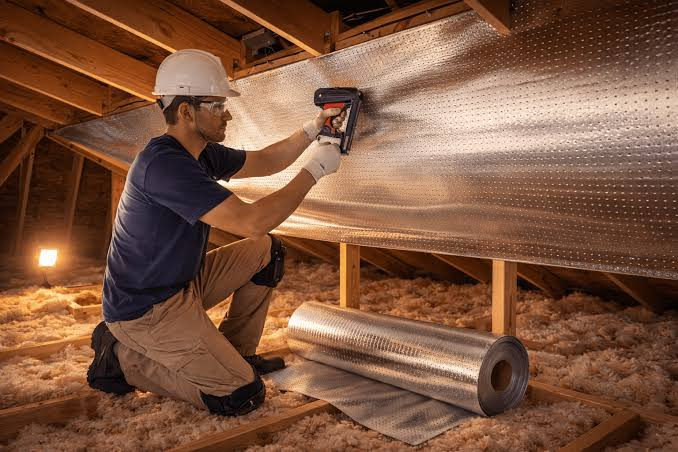
A sunny roof absorbs heat throughout the day. As its temperature rises, the roof structure transfers heat toward the attic. This creates a hot environment above the living space, even when the indoor temperature feels comfortable.
The problem becomes more noticeable when sunlight reaches the roof for several hours. Roof sheathing absorbs solar energy and releases some of that energy toward attic surfaces. Insulation below the roof can slow heat movement, but the attic may still experience significant radiant heat.
This is where a radiant barrier becomes useful. It uses a reflective surface to reduce the amount of radiant heat transferred from the roof toward other attic materials. Instead of relying only on thicker insulation, homeowners can address another part of the heat transfer process.
Understanding this process helps explain why attic temperature, insulation performance, and ventilation all matter. Each plays a different role in maintaining indoor comfort during hot weather.
How a Reflective Surface Changes Attic Heat Transfer
Heat moves through three main processes: conduction, convection, and radiation. Conduction transfers heat through materials, while convection moves heat through air or liquids. Radiation transfers energy through electromagnetic waves without requiring direct contact.
A hot roof can radiate energy toward the attic floor, insulation, ductwork, and other surfaces. These materials absorb some of that energy and become warmer.
A reflective barrier reduces this particular form of heat transfer. Its low-emissivity surface reflects much of the radiant energy instead of absorbing and emitting it toward the attic. Properly installed radiant barrier insulation can help limit heat transfer while supporting the attic’s existing thermal protection.
However, the material needs an air space beside its reflective surface. Without this space, direct contact can allow heat to move through the material by conduction. This is why installation position matters as much as the reflective finish.
Main Benefits of Using Radiant Barriers in Attics
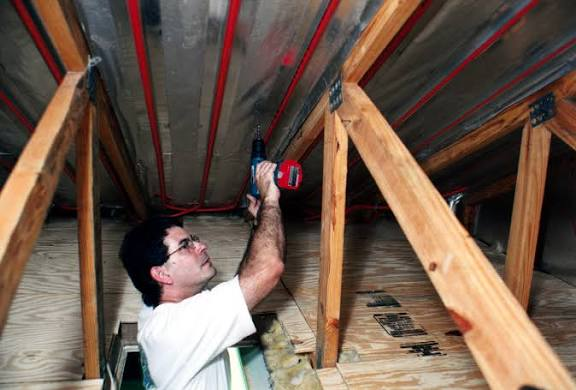
A properly selected and installed system can address several common attic heat problems. Its actual performance depends on the building, climate, existing insulation, and installation quality.
Reduced Radiant Heat Transfer
The main purpose of a radiant barrier is to reflect thermal radiation away from surfaces below the roof. This can reduce the amount of radiant energy reaching attic insulation and other materials.
The effect can be useful in homes with roofs that receive strong direct sunlight. It addresses heat transfer that conventional insulation alone may not fully control.
Lower Attic Heat Exposure
An attic can become much hotter than the rooms below it. Reducing radiant heat transfer can help limit the heat reaching attic surfaces.
This may also help keep air conditioning ducts cooler when they run through an attic. Cooler duct conditions can reduce unwanted heat gain before conditioned air reaches living spaces.
Support for Cooling System Performance
When less heat enters the living space from above, the cooling system may face a lower cooling load. The actual difference depends on the existing insulation and the home’s overall construction.
A radiant barrier works alongside other efficiency measures. Air sealing, suitable insulation, and proper ventilation remain important parts of attic performance.
Additional Protection for Stored Materials
Some homeowners use attic spaces for storage. Reducing radiant heat exposure may help limit temperature increases around stored items.
However, an attic is still subject to outdoor conditions. Avoid storing heat-sensitive products in areas that experience extreme temperatures.
Radiant Barrier vs Traditional Insulation: What Is the Difference?
These materials often appear together in discussions about attic improvements. However, they don’t work in exactly the same way.
Traditional insulation slows heat movement through materials and trapped air. Fiberglass, cellulose, and foam products provide resistance to heat flow through their structure. Their performance is commonly described using an R-value.
A radiant barrier focuses on reflecting radiant energy. It doesn’t provide the same type of thermal resistance as conventional insulation. A standard foil radiant barrier doesn’t have an inherent R-value.
For example, attic insulation can slow heat moving from a hot attic toward the ceiling. A reflective barrier can reduce the radiant energy reaching attic surfaces in the first place.
The two approaches can work together. Homeowners should assess their existing insulation before deciding which improvement addresses the actual problem.
Which Option Should You Choose?
The answer depends on the condition of the attic. If existing insulation is thin, damaged, or poorly distributed, improving its coverage may deserve attention first.
A reflective system may offer additional value when summer radiant heat is a major concern. Homes in hot climates with strong roof exposure may have more potential to benefit.
Consider the following factors before making a decision:
| Factor | Radiant barrier | Traditional insulation |
| Main function | Reflects radiant heat | Slows heat flow |
| Performance measure | Reflectivity and emissivity | R-value |
| Air space | Required beside reflective surface | Depends on material and assembly |
| Common materials | Reflective foil | Fiberglass, cellulose, foam |
| Main application | Reducing radiant heat gain | Limiting overall heat transfer |
Neither option should be selected without considering the complete attic structure.
Best Radiant Barrier Materials for Different Attic Applications
Reflective products come in several forms. Their construction and installation requirements can vary.
Reflective Foil Rolls
Foil rolls are commonly used in attic improvement projects. They provide a continuous reflective surface that can be attached to suitable roof framing or sheathing.
Some products use reinforced backing to improve handling and resistance to tearing. Others include multiple layers or a foam core.
When choosing a radiant barrier, check its reflective properties, backing material, dimensions, and installation instructions. Also confirm whether the product is designed for the intended attic application.
Double Reflective Insulation Rolls
Double reflective products have reflective surfaces on both sides. Depending on their construction, they may include foam or another supporting layer.
These products can suit applications that require reflective surfaces facing air spaces. However, the complete assembly determines how the product performs.
Don’t assume that two reflective surfaces automatically provide twice the benefit. Proper placement and air space remain essential.
Reflective Roof Sheathing
Some roof sheathing products have a reflective layer attached during manufacturing. This allows the reflective surface to become part of the roof assembly.
This approach is often easier to plan during roof construction or replacement. Retrofitting an existing attic may require a different installation method.
How to Install Radiant Barrier Insulation Correctly
Installation quality has a direct effect on performance. A reflective surface must face an air space to reduce radiant heat transfer.
Inspect the Attic Before Starting
Check the roof structure, existing insulation, ventilation openings, and electrical wiring. Look for signs of moisture, roof leaks, damaged framing, or pest activity.
Address these problems before installing reflective material. Covering an existing issue can make future inspections and repairs more difficult.
Choose a Suitable Installation Position
Many systems attach to the underside of roof rafters or roof sheathing. Some installations use a draped arrangement that creates an air space between the reflective material and roof structure.
Follow the product instructions when deciding which side should face the open space. Avoid pressing the reflective surface directly against another solid material.
Maintain Attic Ventilation
A radiant barrier shouldn’t block existing ventilation paths. Keep soffit and ridge ventilation areas clear where the roof design requires airflow.
Proper ventilation helps remove accumulated attic heat and moisture. The reflective material should work alongside the existing ventilation system rather than interfere with it.
Follow Electrical and Fire Safety Precautions
Reflective foil can conduct electricity. Keep it away from exposed wiring and follow safe clearance requirements around chimneys, flues, and heat-producing equipment.
Wear suitable protective clothing and eye protection when working in an attic. If the installation requires difficult access or work near electrical systems, hiring a professional is a sensible choice.
Can You Install It Yourself or Should You Hire a Professional?
A homeowner with an accessible attic and basic installation skills may be able to install some reflective products. The work requires careful measuring, suitable attachment methods, and attention to ventilation.
However, not every attic provides safe working conditions. Low roof clearance, exposed wiring, fragile ceiling materials, and complex roof structures can make installation difficult.
A professional can assess the roof assembly and identify suitable installation locations. They can also check whether existing insulation and ventilation need attention.
For a DIY project, read the product instructions before purchasing materials. Calculate the required coverage and allow for the roof’s shape, framing, and openings.
Is Radiant Barrier Paint Effective for Attic Insulation?
Radiant barrier paint is marketed as a coating that reflects heat from roof or attic surfaces. Its performance depends on its reflective properties, application thickness, and the surface receiving the coating.
However, reflective paint isn’t automatically equivalent to a foil radiant barrier. A coating must demonstrate suitable performance under relevant testing conditions.
It also doesn’t replace conventional insulation. Homeowners should check independent product data and avoid relying only on claims about temperature reductions.
For attic improvements, compare the coating’s tested reflectivity and emissivity with the requirements of the intended application. A properly installed foil system may be more suitable when a clearly defined reflective air space is needed.
Common Mistakes That Can Reduce Radiant Barrier Performance
Even suitable materials can perform poorly when installed incorrectly. Some mistakes affect the reflective surface, while others interfere with the attic’s existing structure.
One common problem is placing the foil directly against another solid surface. This removes the air space needed for effective radiant heat control.
Another issue is installing the material over attic floor insulation without considering moisture and dust. Dust can reduce reflectivity, while an unsuitable vapor-resistant layer may trap moisture.
Homeowners should also avoid covering ventilation openings. Inspect the attic after installation and check that all existing airflow paths remain clear.
Keep Summer Heat Under Control With a Complete Attic Plan
Attic heat management requires more than one material. Roof construction, insulation depth, ventilation, and air leakage all influence indoor temperatures.
A radiant barrier can help reduce radiant heat transfer when the attic conditions suit its application. It works best as part of a complete approach rather than as a replacement for conventional insulation.
Before choosing a product, inspect the attic and identify the main source of heat gain. Then compare reflective materials, installation requirements, and compatibility with the existing roof assembly.
A well-planned improvement can make the attic easier to manage during hot weather. It also helps homeowners make informed decisions about their insulation needs.
Frequently Asked Questions
What are the main benefits of using radiant barriers in attics?
They reduce radiant heat transfer from the roof toward attic surfaces. This may help lower attic heat exposure and reduce cooling demand in suitable homes.
Does a radiant barrier replace traditional attic insulation?
No. It controls radiant heat, while conventional insulation slows conductive and convective heat transfer. Both can serve different purposes in the same attic.
Can I install radiant barrier insulation myself, or should I hire a professional?
DIY installation may suit accessible attics with straightforward layouts. Hire a professional when the work involves difficult access, exposed wiring, or complex roof structures.
How effective is radiant barrier paint for attic insulation?
Its performance depends on tested reflectivity, emissivity, and application conditions. It shouldn’t be treated as a direct replacement for foil barriers or conventional insulation.
Does dust affect the performance of a radiant barrier?
Yes. Dust accumulation can reduce the reflective performance of exposed surfaces. Installing the material where dust buildup is limited helps maintain its function.
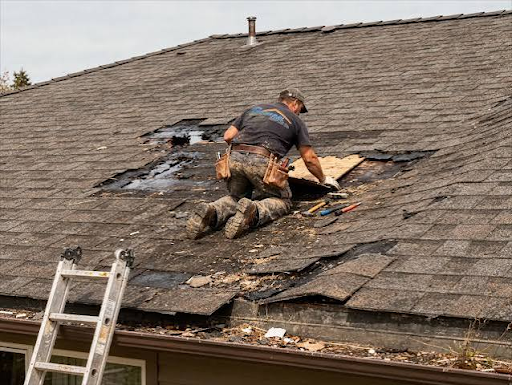
A single drip from your ceiling rarely stays a single drip for long. Water finds the path of least resistance, slipping through tiny gaps in shingles, flashing, or vents until it reaches your insulation, drywall, and eventually your family’s living space. By the time you notice a stain spreading across the ceiling, the damage underneath has often been building for weeks or months.
Homeowners tend to underestimate how quickly a small leak can snowball into a costly repair. A missing shingle or cracked seal might seem minor, but once moisture gets a foothold, it invites mold growth, weakens wooden support beams, and can even compromise your home’s electrical systems. The good news is that most leaks are entirely preventable with regular inspections and prompt attention to warning signs.
That’s where Cathedral Roofing Innovations, Inc. comes in. With years of hands-on experience diagnosing and repairing roofs across all types of weather conditions, our team has seen firsthand how quickly a minor issue can spiral out of control. This post will walk you through the most common causes of roof leaks, the telltale signs you should never ignore, and why acting fast makes all the difference for your home and your wallet.
What Causes Most Roof Leaks?
Roofs are built to withstand a lot, but they aren’t invincible. Over time, exposure to sun, wind, rain, and temperature swings wears down even the most durable materials. Here are the most frequent culprits behind roof leaks:
Damaged or Missing Shingles
Shingles act as your roof’s first line of defense. When they crack, curl, or blow away entirely during a storm, the underlying layers become exposed to the elements. Even a single missing shingle can create an entry point for water.
Faulty Flashing
Flashing is the metal material installed around chimneys, vents, and skylights to seal gaps where water would otherwise seep in. If flashing becomes loose, rusted, or improperly installed, it’s one of the most common sources of hidden leaks.
Clogged Gutters
When gutters fill with leaves, twigs, and debris, rainwater has nowhere to go. Instead of draining away from your home, it pools near the roofline and seeps underneath shingles, causing rot and water damage over time.
Aging Roof Materials
Every roofing material has a lifespan. Asphalt shingles, for example, typically last between 20 and 25 years. As materials age, they become more brittle and prone to cracking, making leaks increasingly likely.
Poor Installation
Sometimes, the problem starts the day the roof goes up. Improperly sealed seams, incorrect nail placement, or skipped underlayment can all lead to leaks much sooner than a well-installed roof would experience.
Warning Signs You Shouldn’t Ignore
Catching a roof leak early can save thousands of dollars in repair costs. Keep an eye out for these red flags:
- Water stains on ceilings or walls: Yellow or brown discoloration usually means water has already made its way through your roofing system.
- Musty odors: A persistent damp smell, especially in the attic, often signals trapped moisture and potential mold growth.
- Sagging areas on the roof or ceiling: This can indicate that water has been pooling for an extended period, weakening structural support.
- Granules in gutters: Finding asphalt granules collecting in your gutters suggests your shingles are deteriorating.
- Daylight through the attic roof boards: If you can see light coming through, water can get through too.
Ignoring these signs rarely makes them disappear. In fact, the longer a leak goes unaddressed, the more extensive and expensive the repair typically becomes.
Why Timing Matters When Addressing a Leak
Roof damage doesn’t happen all at once. It builds gradually, often in places you can’t see until it’s too late. A leak that starts as a minor drip can, within a few rainy seasons, lead to compromised rafters, ruined insulation, and even electrical hazards if wiring gets wet.
Beyond the structural risks, delayed repairs almost always cost more. What might have been a quick, affordable fix can turn into a full roof section replacement if left unchecked. Insurance companies also tend to scrutinize claims more closely when damage appears to have resulted from prolonged neglect rather than a sudden event.
Acting quickly protects more than just your roof. It protects your home’s foundation, your family’s health, and your long-term budget.
Trust the Experts at Cathedral Roofing Innovations, Inc.
Reliable roof leak repair that protects your home from costly water damage starts with choosing a team you can trust, and that’s exactly what Cathedral Roofing Innovations, Inc. delivers. Our licensed and experienced roofing technicians use a thorough, multi-point inspection process to identify not just the obvious signs of damage, but the hidden vulnerabilities that often get missed by less experienced contractors.
We understand that a leaking roof is stressful. That’s why we prioritize fast response times, transparent pricing, and repairs built to last. Whether you’re dealing with a sudden storm-related leak or a slow, nagging drip that’s been bothering you for months, our team has the tools and expertise to get the job done right the first time.
Every repair we complete comes backed by our commitment to quality craftsmanship and customer satisfaction. We don’t believe in temporary patches that leave you calling us back again in a few months. Instead, we focus on identifying the root cause of the problem and fixing it permanently, so you can enjoy peace of mind through every season.
Protect Your Home Before Small Leaks Become Big Problems
A roof leak might start small, but it rarely stays that way. The sooner you address warning signs like water stains, musty odors, or missing shingles, the better your chances of avoiding extensive and expensive damage down the road.
If you’ve noticed any of the signs discussed in this post, don’t wait for the problem to worsen. Reach out to Cathedral Roofing Innovations, Inc. today for a professional inspection and get the lasting repair your home deserves. Our team is ready to help you protect what matters most, starting with the roof over your head.
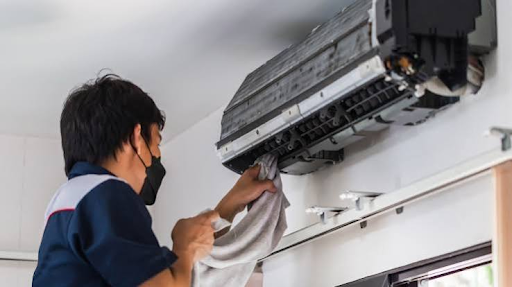
Summer heat has a way of exposing every weakness in your cooling system. One day your air conditioner is humming along fine, and the next, it’s blowing warm air while your energy bill climbs higher than the temperature outside. For most homeowners, this cycle repeats every few years until a costly repair—or worse, a full replacement—becomes unavoidable.
The good news? Most of these breakdowns are preventable. A well-maintained air conditioning system doesn’t just keep your home comfortable; it runs more efficiently, lasts longer, and saves you money on energy costs year after year. Yet AC maintenance is one of those tasks that’s easy to overlook until something goes wrong.
At Air 24/7, we’ve seen firsthand how a simple maintenance routine can mean the difference between a cooling system that lasts 15 years and one that fails after seven. In this post, we’ll break down why maintenance matters, what it actually involves, and how partnering with the right team can protect your investment for the long haul.
Why Does AC Maintenance Matter So Much?
Air conditioners are built to work hard, especially during peak summer months. Every time your system runs, dust accumulates on coils, filters clog, and refrigerant levels can shift. None of these issues happen overnight, but left unchecked, they compound over time.
A dirty filter forces your system to work harder to push air through, which increases energy consumption and strains the compressor. Low refrigerant levels mean your unit can’t cool efficiently, leading to longer run times and higher utility bills. Dirty coils reduce heat transfer, making your AC work twice as hard to deliver half the cooling power.
These small inefficiencies add up quickly. According to the U.S. Department of Energy, a poorly maintained air conditioner can lose up to 5% efficiency each year it goes without a tune-up. That translates directly into higher monthly bills and a shortened equipment lifespan.
What Happens During a Professional AC Tune-Up?
Many homeowners assume maintenance means simply changing the air filter. While filter replacement is important, a comprehensive tune-up covers far more ground.
A thorough inspection typically includes checking refrigerant levels, inspecting and tightening electrical connections, lubricating moving parts, cleaning condenser and evaporator coils, and testing thermostat accuracy. Technicians also check the condensate drain line, since a clogged line can lead to water damage or mold growth inside your home.
Each of these steps addresses a different potential failure point. Loose electrical connections, for example, aren’t just an efficiency issue. They can pose a genuine fire hazard if left unaddressed. Clean coils aren’t just about performance either; they directly affect how long your compressor lasts, since an overworked compressor wears out faster and is one of the most expensive components to replace.
How Often Should You Schedule AC Maintenance?
Most HVAC manufacturers and industry experts recommend scheduling a professional tune-up at least once a year, ideally in the spring before your system faces its heaviest summer workload. Homes in warmer climates, where air conditioners run almost year-round, may benefit from twice-yearly checkups instead.
Skipping annual maintenance doesn’t just risk breakdowns. It can also void manufacturer warranties, many of which require documented proof of regular servicing. That’s a costly oversight if a major component fails and you’re left paying full price for a repair that could have been covered.
The Real Cost of Neglecting Your Cooling System
It’s tempting to put off maintenance when your AC seems to be running fine. But cooling systems rarely fail without warning signs, and those warning signs often go unnoticed until a complete breakdown occurs, usually during the hottest week of the year when demand for repairs is highest and wait times are longest.
Neglected systems also consume significantly more energy. The Department of Energy estimates that proper maintenance can reduce energy use by up to 15%, which adds up to meaningful savings over a cooling season. On top of the financial cost, a poorly maintained unit struggles to maintain consistent humidity and temperature control, leaving your home less comfortable even when the AC is actively running.
There’s also the matter of indoor air quality. Dirty filters and coils can circulate dust, allergens, and even mold spores throughout your home, which is particularly concerning for households with allergy sufferers or young children.
How Air 24/7 Makes AC Maintenance Simple
This is exactly why so many homeowners trust Air 24/7 for their cooling needs. Reliable AC Maintenance that saves you money, extends your system’s life, and keeps your home comfortable all season long is at the heart of what we do. Our technicians don’t just run through a checklist; they take the time to understand your specific system, identify small issues before they become expensive problems, and explain everything in plain language so you know exactly what’s happening with your equipment.
We understand that scheduling maintenance can feel like one more task on an already full plate. That’s why we’ve made the process straightforward, with flexible appointment times and transparent pricing so there are no surprises. Our goal isn’t just to service your unit once a year; it’s to build a long-term relationship where you trust us to keep your home comfortable no matter what the forecast says.
Whether you’re dealing with an aging system that needs extra attention or a newer unit you want to protect for years to come, our team has the experience to handle it. We service all major brands and models, so you can count on expert care regardless of what’s installed in your home.
Protect Your Comfort Before the Next Heat Wave Hits
Waiting until your AC breaks down is one of the most expensive mistakes a homeowner can make. Regular maintenance costs a fraction of what emergency repairs or premature replacements run, and it pays for itself through lower energy bills and fewer unexpected failures.
If it’s been more than a year since your last tune-up, now is the time to act. Reach out to Air 24/7 to schedule your maintenance appointment and give your cooling system the care it needs to perform at its best all season long. Your future self, sweating through a July heat wave, will thank you.

Radiant Barrier Insulation: What Happens When Summer Heat Enters Your Attic?

Why UK Patients Trust Polish Plastic Surgeons

How ABA Therapy Helps Children Build Skills That Last a Lifetime

Nancy Simon: Meet Neil Simon’s Daughter and Woody Harrelson’s Ex Wife

Who Was Russell Derek? Inside The Life of John Derek’s Son

Steven Fleischmann: Inside the Love Story of Erin Moran and Her Husband
-
 Celebrity3 months ago
Nancy Simon: Meet Neil Simon’s Daughter and Woody Harrelson’s Ex Wife
-
 Biographies5 months ago
Who Was Russell Derek? Inside The Life of John Derek’s Son
-
 Biographies5 months ago
Steven Fleischmann: Inside the Love Story of Erin Moran and Her Husband
-

 Biographies5 months ago
Who is Kassidy Duhamel? All About the Life of Josh Duhamel’s Sister
-

 Biographies5 months ago
Caleb Michael Jackson: The Untold Story of Lisa Vultaggio and Jonathan Jackson’s Son
-

 Biographies5 months ago
Micah Emmanuel Lanfer: All About the Life of Sarah Drew and Peter Lanfer’s Son
-

 Biographies5 months ago
Who is Bear Beghe? All About the Life of Jason Beghe’s Son
-

 Technology3 months ago
BotPower Explained: A Complete Guide to IMVU Tracking Tools