
Blog
Why Tree Pruning Is the Secret to a Thriving Austin Landscape


Austin’s unpredictable weather—blazing summers, surprise ice storms, and everything in between—puts serious stress on the trees that shade our yards and line our streets. Left unchecked, even a healthy tree can develop weak limbs, overcrowded branches, or hidden decay that turns into a costly problem down the road. That’s where regular care from a trained arborist makes all the difference.
At Austin Tree Specialists, we’ve spent years helping homeowners and businesses across the city protect their trees before small issues become expensive emergencies. Pruning isn’t just about appearance (though a well-shaped tree certainly boosts curb appeal). It’s a proactive investment in the long-term health, safety, and value of your property.
In this post, we’ll walk through why pruning matters so much in Central Texas, what signs indicate your trees need attention, and how partnering with professionals can save you time, money, and stress.
Why Do Austin Trees Need Regular Pruning?
Texas trees face a unique set of challenges. Prolonged droughts stress root systems, intense heat accelerates branch dieback, and sudden cold snaps can crack weakened limbs overnight. Add in the region’s clay-heavy soil, and it’s easy to see why local trees often need more hands-on care than those in milder climates.
Pruning addresses several of these stressors directly. Removing dead or diseased branches prevents decay from spreading to healthy parts of the tree. Thinning dense canopies improves airflow, which reduces the risk of fungal infections during Austin’s humid spring months. And strategic cuts encourage stronger, more balanced growth patterns that help trees withstand high winds and storms.
Without this kind of maintenance, trees can become top-heavy, structurally unsound, or susceptible to pest infestations—problems that are far more difficult (and expensive) to fix once they take hold.
What Are the Signs That a Tree Needs Pruning?
Most homeowners aren’t trained to spot early warning signs, but a few red flags are worth watching for:
- Crossing or rubbing branches, which create wounds that invite pests and disease
- Dead or brittle limbs that could fall during a storm
- Dense, overgrown canopies that block sunlight from reaching lower branches or nearby plants
- Branches growing too close to rooflines, power lines, or walkways
- Visible fungal growth or unusual bark discoloration, which may signal internal decay
If you notice any of these signs, it’s best to have a certified arborist assess the tree rather than attempting DIY cuts. Improper pruning techniques—like topping a tree or removing too much canopy at once—can actually do more harm than good, leaving the tree vulnerable to disease and structural failure.
How Often Should Trees Be Pruned in Central Texas?
The right pruning schedule depends on the species, age, and condition of each tree. As a general guideline, mature shade trees typically benefit from pruning every two to three years, while younger trees may need more frequent shaping to establish a strong structural foundation. Fruit trees and ornamentals often require annual attention to maximize blooming and fruit production.
Timing matters too. Late winter, when trees are dormant, is often ideal for major structural pruning since it minimizes stress on the tree and reduces sap loss. However, dead or hazardous branches should be removed as soon as they’re spotted, regardless of season.
An experienced local arborist can evaluate your specific trees and build a maintenance schedule tailored to their needs—something a generic, one-size-fits-all approach simply can’t offer.
What Happens If You Skip Regular Pruning?
Neglecting pruning doesn’t just affect how a tree looks. Over time, overgrown branches can grow into power lines, creating safety hazards and potential liability issues. Weak limbs become more likely to snap during Austin’s frequent thunderstorms, risking damage to roofs, vehicles, or fences. Dense, unpruned canopies also block sunlight and airflow, which can stunt the growth of grass and other plants beneath them.
Perhaps most importantly, trees that go years without care are far more susceptible to pests and disease. By the time visible symptoms appear, the damage may already be extensive, sometimes requiring tree removal rather than treatment. Routine pruning catches these problems early, when they’re still manageable and far less costly to address.
Why Choose a Professional Pruning Service?
Benefit from healthier, safer, and more beautiful trees year-round when you trust the job to a team with the right training, tools, and local expertise. Tree pruning might look simple from the ground, but doing it correctly requires understanding how each species responds to different cuts, how to protect a tree’s natural structure, and how to safely work around tall limbs, power lines, and tight urban spaces.
At Austin Tree Specialists, our certified arborists bring years of hands-on experience with the specific tree varieties found throughout the Austin area, from live oaks and cedar elms to crepe myrtles and pecans. We assess each tree individually, identifying structural weaknesses and health concerns that an untrained eye might miss. Our team uses proper techniques that promote strong regrowth, rather than aggressive cuts that leave trees vulnerable.
Beyond the technical skill, hiring professionals also means peace of mind. Climbing ladders to reach high branches, operating power tools, and navigating unpredictable limb weight all carry real risk. Leaving this work to trained specialists protects you, your property, and your trees.
Whether you’re dealing with an overgrown oak that’s shading out your garden or a storm-damaged branch hanging precariously over your driveway, our team is ready to help restore your landscape’s health and beauty.
Give Your Trees the Care They Deserve
Healthy trees don’t happen by accident. They’re the result of consistent, knowledgeable care that addresses problems before they escalate. Whether your property has a single statement oak or an entire grove of mature trees, regular maintenance protects your investment and keeps your landscape looking its best through every Texas season.
If it’s been a while since your trees had a professional checkup, now is a great time to schedule a visit. Reach out to Austin Tree Specialists today to talk with one of our certified arborists about a maintenance plan designed around your property’s unique needs. Your trees—and everyone who enjoys the shade they provide—will thank you.


Many people follow a wellness routine that covers the basics: exercise a few times a week, eat reasonably well, and maybe get enough sleep on most nights. Yet despite checking off these conventional boxes, they still feel something is missing. The gap often lies not in what people are doing, but in what they’ve overlooked. Building a truly complete wellness routine requires attention to five critical areas that most people neglect or underestimate. Understanding and addressing these missing pieces can transform your health in ways that standard fitness and nutrition advice alone cannot achieve.
1. Intentional Stress Management Beyond Exercise
Exercise is often promoted as the ultimate stress reliever, and while physical activity does help, it addresses only part of the equation. True stress management requires deliberate practices that engage the nervous system in different ways. Many people rely solely on workouts to manage tension, then spend the rest of their day in a state of mental agitation without ever creating space for genuine calm. Practices such as meditation, breathing exercises, or progressive muscle relaxation activate the parasympathetic nervous system, which is responsible for the body’s rest-and-digest response. These techniques work differently than exercise because they directly signal to your body that a threat has passed and recovery can begin. Even ten minutes of daily practice can lower cortisol levels, improve emotional resilience, and reduce the risk of remaining stuck in a prolonged state of low-level anxiety that undermines sleep, digestion, and immune function.
2. Adequate Hydration and Electrolyte Balance
Drinking water is standard wellness advice, yet most people miss the deeper layer of hydration science. Simply consuming liters of water without considering electrolyte balance can actually work against your health. Your body requires sodium, potassium, magnesium, and calcium in proper ratios to absorb and retain water effectively.
Many wellness enthusiasts drink plenty of water but neglect the mineral component, leading to a state where they remain chronically dehydrated at the cellular level. This imbalance affects everything from cognitive function to muscle performance to recovery. Plain water alone does not replenish electrolytes lost through sweat, especially if you exercise regularly or live in a hot climate. Adding mineral-rich foods such as leafy greens, nuts, and bone broth, or using electrolyte beverages during and after exercise, rounds out what plain water cannot accomplish alone. People who address this missing piece often notice improved energy levels, fewer headaches, and better athletic recovery within weeks of making the adjustment.
3. Structured Recovery Protocols
Recovery is not simply the time between workouts. It is an active process that requires intentional strategies to enhance adaptation and prevent injury. Most wellness routines focus heavily on the effort side of the equation, with minimal attention to how to properly support the body’s repair mechanisms.
Effective recovery includes practices such as foam rolling, stretching, adequate sleep with consistent timing, and planned rest days. Some people treat rest days as failures or skip them entirely, believing that more activity always equals better results. This mindset guarantees eventual burnout or injury. Sleep quality matters as much as quantity, meaning that eight hours of disrupted sleep does not provide the same benefit as seven hours of consolidated, deep sleep. For athletes and regular gym-goers who want to support muscle repair during intense training phases, using a clean creatine powder helps replenish phosphocreatine stores and sustain performance without unnecessary additives. Cold therapy, massage, or contrast water treatments can accelerate muscle recovery when used strategically after intense sessions.
4. Consistent Circadian Rhythm Alignment
Your circadian rhythm, the internal biological clock that regulates sleep and wake cycles, influences far more than just your sleep schedule. It controls hormone production, digestion, body temperature, and mental clarity throughout the day. Many wellness routines ignore this fundamental system, treating daylight exposure and sleep timing as optional rather than essential.
People who maintain consistent wake and sleep times, even on weekends, support optimal hormone production and metabolic function. Morning exposure to natural light is especially powerful because it sets your circadian rhythm for the entire day, influencing when your brain produces melatonin in the evening. Irregular sleep schedules, late-night screen time, and inconsistent wake times confuse this system, making it harder to fall asleep and disrupting sleep quality when you do. Aligning daily activities, meal timing, and light exposure with your natural circadian rhythm creates a cascade of benefits throughout your body. Without this alignment, even excellent nutrition and exercise routines cannot fully optimize your energy, metabolism, and mental performance.
5. Meaningful Social Connection and Mental Engagement
Physical health and mental health are inseparable, yet many wellness routines focus exclusively on the body. Social isolation and mental stagnation undermine even the most disciplined fitness and nutrition programs. The missing piece is often a genuine practice of meaningful connection and intellectual stimulation.
Strong social bonds and regular meaningful interaction reduce stress hormones, improve immune function, and increase longevity. Solitary wellness routines, no matter how perfectly executed, cannot replicate the health benefits that come from genuine human connection. Similarly, your brain requires challenge and novelty to maintain cognitive function and emotional wellbeing. Learning new skills, engaging in creative pursuits, or pursuing intellectually stimulating hobbies activates neural pathways that support mental resilience and happiness. People who combine their physical wellness efforts with strong social ties and mental engagement report higher overall satisfaction and better long-term adherence to healthy habits than those who treat wellness as a purely individual pursuit.
Conclusion
A complete wellness routine requires more than consistent exercise and basic nutrition. The five missing pieces covered here, stress management, electrolyte balance, structured recovery, circadian alignment, and social and mental engagement, work together to create genuine, lasting health transformation. Each piece addresses a different aspect of human biology and psychology that standard wellness advice often overlooks. When all five are present and practiced consistently, they create a synergistic effect where each area supports and amplifies the others. Evaluating your current routine through the lens of these five areas can reveal exactly where your efforts have fallen short and where to focus your attention for meaningful improvement.

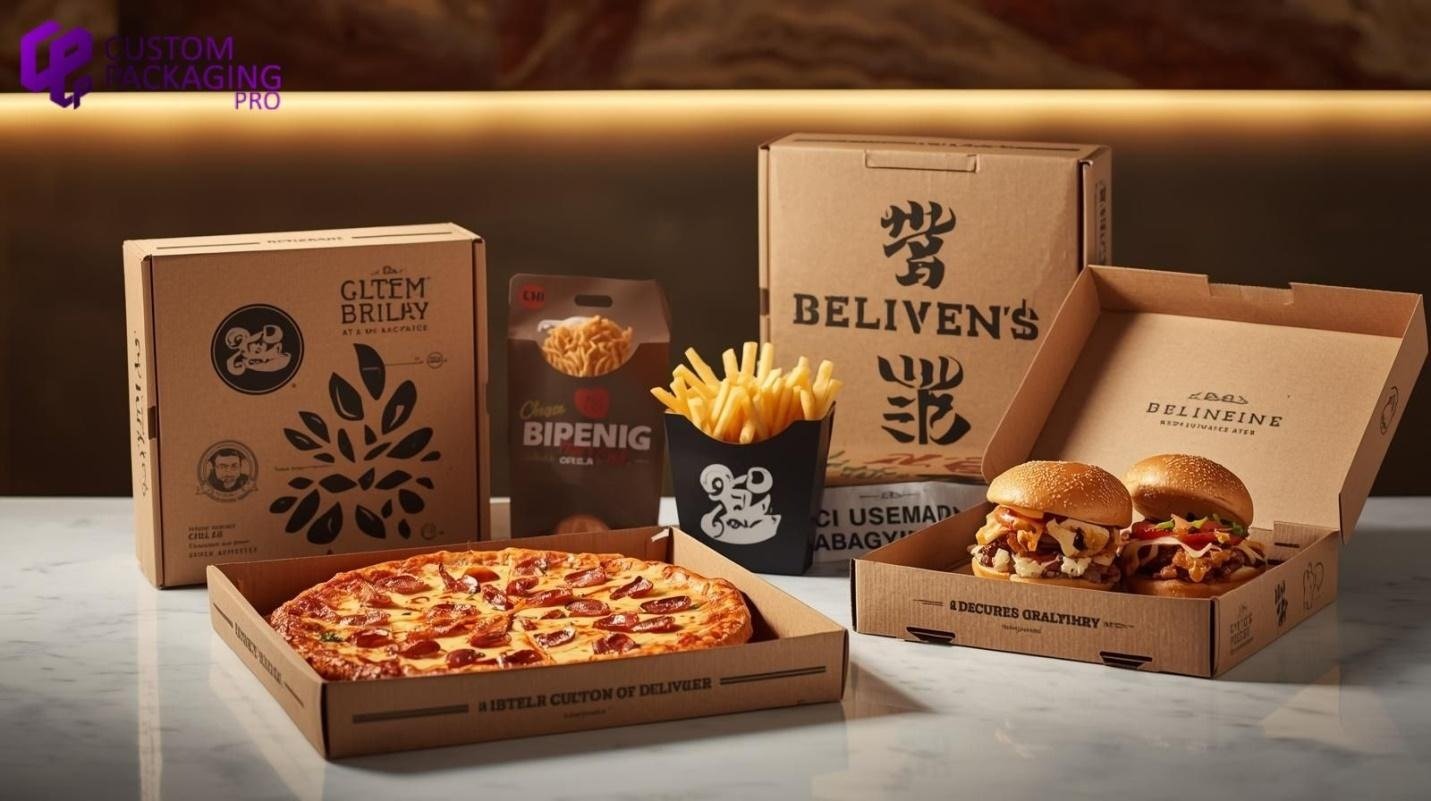
A food order can leave the counter looking carefully prepared and arrive with crushed toppings, shifted portions, or a damp carton. When packaging does not suit the contents, even attractive branding cannot correct the experience customers have when they open their purchase.
Well-planned personalized food packaging combines a recognizable brand identity with practical protection and handling. It helps businesses organize portions, communicate product information, and present everything from bakery treats to takeaway meals in packaging developed for the application.
The strongest starting point is the food itself. Temperature, moisture, grease, weight, presentation, and the journey to the customer should guide material and structural decisions before printing is finalized.
Define the Packaging’s Role Before Choosing a Style
Food boxes serve different purposes. Some directly contact the food, while others surround a sealed bag, tray, or primary container.
Identify that role before comparing designs.
A carton around a coffee pouch mainly supports organization, information, and presentation. A burger box must be suitable for its intended contact with prepared food and the conditions of service.
Clarify:
- What the package will contain
- Whether food touches it directly
- How the product is packed
- Expected holding and delivery conditions
- Whether customers eat from the container
- What information must remain visible
These details help prevent one generic format from being used across unsuitable applications.
Customized Food Packaging Starts With Portion Size
Choose dimensions around realistic servings rather than an idealized display arrangement.
Overfilled containers can interfere with closures, compress food, and make handling difficult. Oversized packaging may allow products to move or require unnecessary supporting material.
Test the normal portion and reasonable variation between orders.
For custom food packaging boxes, account for liners, trays, inserts, and individual wrapping. Those components reduce the usable space inside the outer box.
Also check the filled weight. A package that fits the portion still needs enough structural support for lifting, carrying, and the expected stacking arrangement.
Match Food-Contact Materials to the Intended Use
A material described broadly as suitable for food packaging is not automatically appropriate for every food and temperature.
Explain the application to the supplier, including direct contact, grease exposure, moisture, and any intended heating or freezing.
Request supporting information for the proposed materials, coatings, inks, and adhesives as relevant to their use.
Do not infer microwave, oven, or freezer suitability from appearance. The complete container and closure need to be specified for the intended conditions.
Where the printed box is secondary packaging, maintain the appropriate primary enclosure instead of assuming the outer carton provides equivalent protection.
Cookie Boxes Should Limit Movement and Breakage
Cookie boxes should reflect the product’s thickness, fragility, decoration, and portion count.
A firm cookie may tolerate a different arrangement from a delicate sandwich cookie or a heavily decorated biscuit. Stacking can damage surface details even when the box itself remains intact.
Cookie packaging may use suitable trays, dividers, or individual wraps where appropriate.
Test loading and removal with actual products. Customers should not need to press against neighboring cookies to lift one out.
For mixed assortments, check whether products need separation to maintain presentation or address product-specific storage concerns.
Cupcake Packaging Needs Upright Support
Cupcake boxes need enough height for frosting and decorations, along with an interior arrangement that keeps the cakes upright.
A fitted insert should hold the cupcake base without making removal unnecessarily difficult. Test it with the liners and cake sizes used in normal production.
Muffin packaging may require a different layout because the product shape and topping can differ.
Check:
- Clearance above the tallest decoration
- Space between individual products
- Insert stability
- Base support when carried
- Comfortable customer access
Evaluate the filled package during representative handling. A neat counter display does not show whether cupcakes will remain positioned during delivery.

Donut and Pie Boxes Need Support and Clearance
Donut boxes should accommodate the intended arrangement without forcing decorated surfaces against the lid or adjacent products.
A wide, shallow layout can suit some assortments, but the dimensions should follow the actual product count and size.
Pie boxes need support for the filled pie and its base or tray. Include handles, raised edges, and toppings when checking the fit.
Test how staff load the food and how customers remove it. A package that requires tilting a delicate pie to clear the opening may need a different closure or access arrangement.
Chocolate and Candy Packaging Balances Fit With Presentation
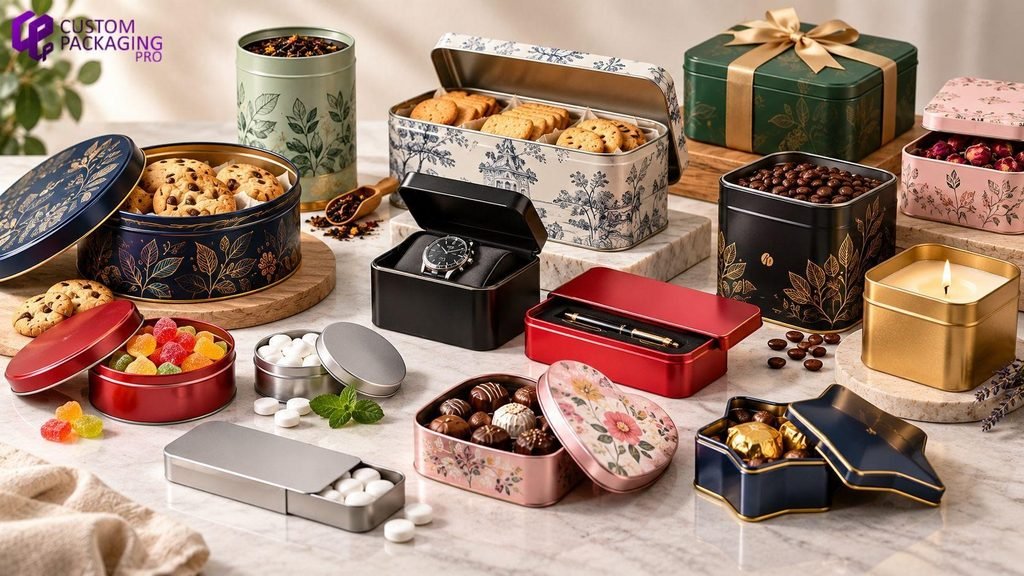
Chocolate boxes, candy boxes, and truffle boxes often need defined spaces for individual pieces.
Compartment dimensions should suit the finished products, including any cups or wrappers. Too much clearance can allow movement, while tight cavities can complicate loading and removal.
Chocolate packaging can also provide room for an assortment guide or product identifiers.
For Christmas candy boxes, consider whether seasonal artwork should be permanent or added through a sleeve, label, or card.
A decorative carton does not establish temperature protection. Plan storage and distribution around the confectionery’s requirements rather than relying on presentation packaging alone.
Burger and Hot Dog Packaging Needs Practical Access
Burger packaging should account for the assembled product, including buns, fillings, toppings, and any wrapping.
A lid should close without unnecessarily compressing the food. The base also needs to support the portion during lifting and handling.
Hot dog packaging requires suitable length and width for the finished serving, particularly when toppings extend beyond the bun.
Check whether the customer will eat directly from the package. The opening action and usable base area should support that experience.
Where grease or moisture resistance is needed, confirm the proposed construction and test it with the actual food under representative service conditions.
Pasta and Noodle Packaging Must Suit the Complete Dish
Pasta packaging and noodle packaging should be selected around the prepared dish, including sauces and added ingredients.
Dry retail pasta and hot takeaway noodles present different requirements. Their packages should not be chosen from the same assumptions.
Chinese food boxes and Chinese takeout boxes also vary in structure and performance. A familiar shape does not establish that every version can contain liquid-rich dishes.
Confirm the intended fill level, closure, and carrying orientation.
Where sauces require separate containers, test those containers within the complete order. They should remain secure rather than shifting freely around the main meal.
Leak-Resistant Claims Need Actual Product Testing
A kraft appearance, folded corner, or tab closure does not by itself establish leak resistance.
Performance depends on the material, barrier treatment, seams, closure, food characteristics, and handling conditions.
Before describing customized food containers as leakproof, obtain evidence appropriate to the intended use. Test samples with the actual contents, expected fill level, holding period, and transport arrangement.
Distinguish resistance to surface grease from the ability to contain free liquid.
Cardboard takeaway boxes with tab closures may suit certain meals while requiring separate containers for sauces or dressings. Select the format according to demonstrated performance.
Tea and Coffee Packaging Need an Appropriate Inner Pack
Tea boxes and coffee boxes can organize products and provide space for branding, preparation information, and variant identification.
However, a printed paperboard carton does not automatically provide the barrier needed by the contents.
Coffee packaging may include a suitable primary pouch or container inside an outer box. Tea packaging can involve individually wrapped portions, sealed inner packs, or other product-specific arrangements.
Custom ziplock bags for food may offer convenient resealing, but their materials and production seals still need to suit the product.
Evaluate the primary package and outer carton together rather than treating either component as a universal solution.

Food Delivery Boxes Should Organize the Whole Order
Food delivery packaging must account for more than one container in isolation.
A meal box may contain a main dish, side, sauce, dessert, and cutlery. Their positions should support carrying and reduce unwanted movement.
Test the complete order inside its delivery bag or outer box.
Consider:
- Heavier items at the base
- Separation of delicate products
- Secure sauce containers
- Clear order identification
- Stack stability
- Opening without spilling loose components
Paper food boxes alone should not be assumed to maintain safe food temperatures. Temperature management requires an appropriate food-handling and delivery process for the application.
Recipe Boxes and Subscription Orders Need Flexible Layouts
Recipe boxes and recurring food assortments can change from one delivery to the next.
Evaluate several planned combinations before approving dimensions. A package developed around one week’s contents may not accommodate a taller container or heavier assortment later.
Separate food items from printed recipes and other additions where needed.
Products requiring controlled temperatures need a suitable distribution system rather than a decorative outer box alone.
Packaging for pet food deserves its own specification as well. Dry treats, oily products, and other pet-food formats may require different barriers and closures; do not assume a pouch approved for another product is automatically suitable.
Food Box Printing Should Make Orders Easy to Identify
Food box printing can create a consistent appearance across different package sizes, but useful information needs priority.
Make the brand, product type, and relevant variant easy to recognize. Leave suitable space for order labels and applicable product information.
Branded food containers should also help staff distinguish similar-looking orders during service.
Keep permanent artwork separate from information that changes frequently. Labels or other suitable variable-printing methods may provide more flexibility for changing menus.
Review artwork on the assembled package. Important wording should remain readable after folding, closing, and placing the container in its normal carrying position.
Sustainable Choices Need More Than a Natural Appearance
The most suitable sustainable custom packaging for food outlets depends on the application and available disposal systems.
A brown surface or plant-based description does not establish recyclability or compostability. Coatings, liners, attached components, and food contamination all affect disposal options.
Start with practical questions:
- Can the package be appropriately right-sized?
- Are all separate components necessary?
- Does it protect the food effectively?
- Is the environmental claim supported?
- Can customers follow the disposal instructions locally?
Avoid removing a necessary barrier simply to reduce components. Product protection and the prevention of avoidable food waste belong in the decision.
Compare Custom Food Packaging Supplies Through Samples
When comparing custom food packaging companies, provide the same brief so quotations describe equivalent requirements.
Include portion dimensions, direct-contact conditions, materials, printing, quantities, and the intended packing process.
Test custom food packaging supplies during actual operations. Review assembly, loading speed, closure consistency, filled weight, handling, and performance over the expected service period.
Confirm repeat-order specifications and how changes will be approved.
A lower unit price may offer limited value if the package requires extra labor, additional liners, or frequent replacements. Compare the complete cost of using the package, including storage and delivery arrangements.
Final Thoughts
Personalized food packaging works best when branding follows a structure suited to the food and service process. Bakery treats, takeaway meals, confectionery, and retail ingredients each bring different requirements.
Custom Made Packaging can help accommodate portion sizes and presentation needs, while Custom Boxes With Logo give different formats a recognizable identity. The aim is consistent branding supported by practical performance.
When discussing a project with a Custom Packaging Supplier, share actual products, packing conditions, and delivery requirements. These details help shape a Custom Packaging Solution around the business’s daily operations.
Approve samples with the food they will hold. Packaging that loads efficiently, carries reliably, and opens comfortably gives customers a better experience from collection to the final serving.
Frequently Asked Questions
- What is personalized food packaging?
Personalized food packaging uses selected dimensions, structures, and branded artwork for a food business or product. It can include boxes, containers, sleeves, and pouches. The design should suit the food, contact conditions, portion size, and intended handling or delivery process.
- What material is best for custom food packaging boxes?
The appropriate material depends on direct food contact, temperature, moisture, grease, product weight, and distribution. Paperboard, coated constructions, plastic containers, or flexible pouches may suit different applications. Confirm the proposed specification rather than choosing from material appearance alone.
- Can food boxes be printed with a logo?
Yes. Food boxes can carry logos, colors, illustrations, and product information using an appropriate printing system. Confirm that materials, inks, and construction suit the intended application. Leave space for variable order details and applicable product labeling before finalizing the artwork.
- Are kraft takeaway boxes leakproof?
Not automatically. Leak resistance depends on the complete construction, including coatings, seams, closures, and the food being packed. Test the intended fill level and handling conditions. Grease resistance and the ability to contain liquid are different performance requirements.
- Can customized food containers be used in a microwave?
Only when the complete container is specified as suitable for the intended microwave use. Material appearance is insufficient to establish compatibility. Check the supplier’s instructions for the container, lid, and other components rather than assuming all food packaging can be reheated.
- What should businesses test before ordering food packaging in bulk?
Test portion fit, food-contact suitability, loading, closure performance, filled strength, and handling with actual food. Evaluate grease or moisture performance where relevant and review delivery arrangements. Confirm printing, storage requirements, and approved specifications before committing to larger quantities.


Fire doors are among the most important safety features in residential and commercial buildings. They are designed to slow the spread of fire and smoke, protect escape routes and give occupants valuable time to reach safety during an emergency. However, even a properly manufactured fire door may become ineffective if it is incorrectly installed, damaged or poorly maintained.
For landlords, managing agents and building owners, arranging a Fire Door Certificate London service can help establish whether existing fire doors have been professionally inspected and whether their condition meets the relevant fire safety requirements. The resulting documentation can also support property maintenance records and ongoing compliance responsibilities.
London-based fire safety provider Safety Spectrum London offers fire door inspections, compliance reporting, installation and remedial services for residential and commercial properties. Their services help building owners identify defects, understand necessary improvements and maintain effective fire protection.
What Is a Fire Door Certificate?
A fire door certificate london is a term commonly used for documentation associated with the fire resistance, installation or inspection of a fire door. However, not all fire door certificates serve the same purpose.
Product certification provides evidence that a particular fire door design or doorset has been assessed or tested against relevant fire resistance requirements. Installation documentation records details of the work completed, while a fire door inspection report describes the condition of an installed door and identifies defects requiring attention.
This distinction is important because an inspection document does not automatically prove that an existing door has achieved a particular fire resistance rating.
A professional fire door inspection can establish whether the visible components and operating condition of a door are consistent with its intended fire safety function.
For property owners, this documentation provides useful information about whether maintenance, repair or replacement may be necessary.
Why Are Fire Door Inspections Important in London?
London contains a wide variety of residential and commercial buildings, including purpose-built apartment blocks, converted Victorian houses, Houses in Multiple Occupation (HMOs), offices, hotels and educational premises.
These buildings often rely on fire doors to protect shared corridors, staircases, escape routes and fire-resisting compartments.
Over time, everyday use can affect fire door performance. Hinges may loosen, seals can become damaged, self-closing devices may stop working and door leaves can become misaligned.
Even relatively small defects may compromise the protection expected from a fire door assembly.
A professional inspection helps identify these problems before they contribute to increased fire risk.
For landlords and property managers responsible for multiple buildings, maintaining fire door inspection records can also support a more organised approach to ongoing maintenance.
Fire Door Regulations and Legal Responsibilities in England
Fire safety responsibilities in England are primarily established under the Regulatory Reform (Fire Safety) Order 2005, as amended.
The legislation requires responsible persons to identify relevant fire risks, maintain appropriate fire precautions and ensure that fire safety measures remain effective.
The Fire Safety Act 2021 clarified that the Fire Safety Order includes flat entrance doors between domestic premises and common areas in multi-occupied residential buildings.
Additional duties were introduced through the Fire Safety (England) Regulations 2022.
For multi-occupied residential buildings where the top storey exceeds 11 metres above ground level, responsible persons must arrange quarterly checks of communal fire doors and annual checks of flat entrance doors on a best-endeavours basis.
These specific intervals do not automatically apply to every residential or commercial property. Other buildings require appropriate inspection and maintenance arrangements based on their fire risk assessments and applicable duties.
What Does a Professional Fire Door Inspection Include?
A fire door inspection examines the visible condition, installation features and operation of a fire door assembly.
The inspection scope may vary depending on the door type, building requirements and available certification information.
Door Leaf and Frame Condition
The inspector examines the door leaf and frame for visible damage, distortion, deterioration or unsuitable alterations.
Damage to either component can affect the fire-resisting performance of the door assembly.
The inspection may also consider whether the door and frame appear compatible with the intended specification.
Fire Door Gaps and Alignment
Correct gaps around a fire door are important for its performance.
Excessive gaps can allow smoke and hot gases to pass through more easily, while insufficient clearances may prevent the door from closing properly.
The inspector examines the gaps around the door and considers whether they are appropriate for the particular door assembly and its available specifications.
Intumescent Strips and Smoke Seals
Intumescent strips are designed to expand when exposed to heat, helping seal gaps during a fire.
Smoke seals provide additional protection against the movement of smoke where specified.
The inspection considers whether the required seals are present, correctly positioned and in suitable condition.
Hinges, Closers and Ironmongery
Fire door hinges, latches and self-closing devices must be suitable for the door assembly.
A defective closer can prevent a fire door from returning to its closed position, reducing the protection it provides.
The inspector checks whether the door operates correctly and whether relevant hardware shows signs of damage or deterioration.
Glazing, Signage and Certification Information
Where fire-resistant glazing is installed, its visible condition and associated components may be examined.
The inspector may also review relevant fire door signage and available product identification labels or certification information.
A missing label does not automatically mean an older fire door is unsuitable. Its adequacy must be considered in the context of its construction, condition, available evidence and the building’s fire risk assessment.
Common Fire Door Defects That Require Attention
Many fire door problems develop gradually through everyday wear, alterations and inadequate maintenance.
Common examples include damaged smoke seals, excessive door gaps, defective hinges, loose frames and self-closing devices that no longer operate correctly.
Fire doors may also be compromised when unsuitable locks or other hardware are installed without considering the original door specification.
In some buildings, doors are held open using wedges or other inappropriate methods. This prevents them from providing the intended protection during a fire.
Professional inspections help identify these defects and establish whether corrective action is necessary.
What Happens If a Fire Door Fails Inspection?
An unsatisfactory fire door inspection does not necessarily mean that the entire door must be replaced.
Some defects can be corrected through appropriate remedial work, provided the repair is compatible with the door assembly and its intended fire performance.
For example, a suitable self-closing device may be repaired or replaced, damaged seals may be renewed and door alignment may be corrected where technically feasible.
However, significant structural damage, unsuitable construction or incompatible components may make replacement necessary.
The inspector’s findings should explain the identified defects and recommend appropriate next steps.
After corrective work has been completed, further inspection may be arranged to confirm that the specified issues have been addressed.
Fire Door Certificate London for Landlords and Property Managers
Landlords and managing agents are responsible for maintaining suitable fire safety arrangements in the buildings under their control.
In residential properties, fire doors may protect communal corridors, staircases, flat entrances and other important parts of the building.
Regular inspection and maintenance help identify problems that could compromise these arrangements.
For Houses in Multiple Occupation, fire door requirements depend on the property’s layout, occupancy, construction and relevant fire safety strategy.
Commercial premises may also require fire-resisting doors to protect escape routes and maintain compartmentation between different building areas.
Keeping inspection reports and maintenance records can help responsible persons demonstrate that identified defects have been considered and appropriate action has been taken.
Choosing a Professional Fire Door Inspection Provider
Selecting a suitable provider is important because fire door inspection requires knowledge of fire door construction, installation requirements, compatible components and relevant fire safety guidance.
Property owners should consider the inspector’s qualifications, practical experience, reporting methods and ability to explain defects clearly.
Safety Spectrum London provides fire door inspection and related fire safety services across Greater London. The company supports landlords, managing agents and commercial property owners requiring inspection documentation and practical guidance on necessary improvements.
Those seeking a Fire Door Certificate London service can explore the company’s inspection and certification options, including assessments of existing doors and support with relevant remedial work.
Where a door is found to be unsuitable, the company also offers associated fire door repair and installation services.
For property managers overseeing multiple buildings, combining inspections with planned maintenance can make it easier to track recurring defects and prioritise corrective work.
Fire Door Product Certification vs Inspection Documentation
One area that frequently causes confusion is the difference between a certified fire door product and a fire door inspection document.
A fire door with a documented fire resistance rating has supporting evidence relating to its tested or assessed construction.
For example, FD30 and FD60 are commonly used designations associated with nominal fire resistance periods of 30 and 60 minutes respectively.
However, the performance of an installed assembly also depends on the frame, hardware, seals, glazing where applicable, and the quality of installation.
A fire door inspection report records observations about the installed door. It does not replace the original fire resistance evidence or guarantee that a door will perform for a particular duration during a real fire.
This is why suitable product selection, competent installation and ongoing maintenance are all important parts of fire door safety.
How Often Should Fire Doors Be Inspected?
Fire doors should be checked and maintained at intervals appropriate to their use, condition and the building’s fire safety requirements.
As noted earlier, the Fire Safety (England) Regulations 2022 prescribe specific checks for relevant multi-occupied residential buildings above 11 metres.
For other buildings, the inspection frequency should be informed by the fire risk assessment, usage levels and applicable responsibilities.
A heavily used communal fire door may require more frequent attention than a door that is rarely opened.
Doors should also be inspected where occupants report damage, faulty operation or alterations that may affect performance.
Regular inspection is therefore part of an ongoing maintenance programme rather than a one-time certification exercise.
The Long-Term Benefits of Fire Door Maintenance
Maintaining fire doors can help building owners address minor defects before they become more serious.
A door that closes correctly today may develop problems over time because of normal wear, movement in the frame or repeated use.
Routine maintenance can identify these changes and help preserve the intended function of the door assembly.
It may also reduce the likelihood of unnecessary replacement where suitable repairs can restore satisfactory operation.
For landlords and managing agents, maintaining clear inspection histories supports planned maintenance and helps demonstrate attention to fire safety responsibilities.
Most importantly, properly maintained fire doors contribute to the protection of residents, visitors and building occupants.
Final Thoughts
Arranging a Fire Door Certificate London service can help landlords, managing agents and commercial property owners understand the condition of existing fire doors and obtain appropriate inspection documentation.
Professional inspections identify defects, highlight potential fire safety concerns and provide recommendations for suitable remedial action.
However, fire door safety depends on more than a certificate. Correct specification, competent installation, suitable maintenance and regular inspection all contribute to effective fire protection.
For building owners across Greater London, Safety Spectrum London provides fire door inspection, compliance reporting and associated remedial services.
Property owners can visit Safety Spectrum London’s Fire Door Certificate service to learn more about inspection options and arranging an assessment.
Maintaining suitable fire doors and addressing identified defects are important steps towards safer residential and commercial buildings.

Senior Living Solutions for Combatting Social Isolation

The 5 Missing Pieces in Your Daily Wellness Routine

Dental practice in Felixstowe: how integrated digital technology is changing the patient experience

Nancy Simon: Meet Neil Simon’s Daughter and Woody Harrelson’s Ex Wife

Who Was Russell Derek? Inside The Life of John Derek’s Son

Steven Fleischmann: Inside the Love Story of Erin Moran and Her Husband
-
 Celebrity3 months ago
Nancy Simon: Meet Neil Simon’s Daughter and Woody Harrelson’s Ex Wife
-
 Biographies5 months ago
Who Was Russell Derek? Inside The Life of John Derek’s Son
-
 Biographies5 months ago
Steven Fleischmann: Inside the Love Story of Erin Moran and Her Husband
-

 Biographies5 months ago
Who is Kassidy Duhamel? All About the Life of Josh Duhamel’s Sister
-

 Biographies5 months ago
Micah Emmanuel Lanfer: All About the Life of Sarah Drew and Peter Lanfer’s Son
-

 Biographies5 months ago
Caleb Michael Jackson: The Untold Story of Lisa Vultaggio and Jonathan Jackson’s Son
-

 Biographies5 months ago
Who is Bear Beghe? All About the Life of Jason Beghe’s Son
-

 Technology3 months ago
BotPower Explained: A Complete Guide to IMVU Tracking Tools